
Ashwagandha
Adaptogenic Ayurvedic root traditionally used as a calming tonic to support energy and emotional balance.
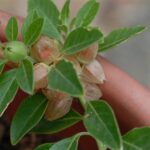
Ashwagandha (Withania somnifera) is a small shrub prized in Ayurveda as a rasayana, or rejuvenating tonic. Regarded as an adaptogen, the plant’s tuberous roots—noted for their withanolide content—are traditionally prepared as decoctions with milk or consumed as powders and standardized extracts to support stress resilience and overall vitality.
Forms on the market include dried root, powdered herb, capsules and concentrated extracts; dosing and responses vary by product and individual. Precautions commonly advised are to avoid use during pregnancy and breastfeeding, to exercise caution with hyperthyroidism, and to avoid use by those allergic to Solanaceae species; high doses can cause gastrointestinal discomfort or drowsiness. Effects may vary between individuals, and consultation with a healthcare professional is recommended for personalized guidance.
At a Glance
A medicinal shrub native to India, Ashwagandha is valued in Ayurveda for root-based preparations used traditionally as tonics and decoctions.
Roots are used as powders, decoctions or standardized extracts that concentrate withanolides such as withaferin A and withanolide D.
The plant is classed as an adaptogen and is commonly used to support stress resilience, vitality and recovery, though effects vary by individual.
| Common name |
|
|---|---|
| Scientific name | Withania somnifera |
| Plant family | Solanaceae |
| Origin | India |
| Parts used | Roots |
| Active compounds |
|
| Main benefits |
|
| Available forms |
|
Origin & History
Ashwagandha is native to the Indian subcontinent and typically grows in dry, sandy soils; it is a small, robust shrub whose tuberous roots have been the primary material used in traditional preparations. Cultivation and wild collection have expanded beyond South Asia, and the plant is now grown in parts of East Asia, Africa and southern Europe.
In classical Ayurveda it is regarded as a rasayana, traditionally prepared as root decoctions or powders to tonify the body and promote resilience and longevity. Historically the roots have been used in medicated milk preparations and other herbal formulations; over time the herb gained the common name “Indian ginseng” and has been incorporated into a variety of regional practices for enhancing vitality and recovery.
Composition & Active Compounds
Ashwagandha is a small, erect shrub with tuberous roots, grayish-woolly branches and small yellow flowers; the thick roots are the primary part used in traditional and modern preparations. The root chemistry is dominated by steroidal lactones called withanolides (including withaferin A and withanolide D), and the roots also contain amino acids such as tryptophan and trace elements like iron, which together define the herb’s phytochemical profile.
Withanolides concentrated in the roots are the primary active compounds targeted in most supplements.
- Withanolides: steroidal lactones characteristic of Withania species
- Withaferin A: a specific withanolide commonly cited among active constituents
- Withanolide D: another principal withanolide found in root extracts
- Tryptophan: an essential amino acid present in the roots
- Iron: trace mineral found in root material

Properties & Effects
Ashwagandha is traditionally known as a rejuvenating tonic and adaptogen used to help the body cope with physical and psychological stress while supporting general vitality.
Adaptogenic and anti-stress effects are the herb’s most frequently cited traditional uses.
- Adaptogenic action: may support the body’s ability to cope with various forms of stress.
- Strengthening and regenerative effects: traditionally used to help restore energy and resilience during convalescence or low vitality.
- Anti-stress action: may support calmer mood and improved sleep in situations of acute or chronic stress.
- Antioxidant: research suggests it may contribute to antioxidant activity that supports cellular health.
- Anti-inflammatory: may support reduction of inflammatory responses in symptomatic conditions.
- Antidepressant effects: research suggests possible mood-supporting effects linked to constituents found in the roots.
- Cardiometabolic support: research suggests it may help support healthy cholesterol and blood sugar levels.
- Libido and male fertility: traditionally and in some studies, it may support male sexual function and aspects of fertility.
- Possible anticancer effects: preliminary studies have suggested potential activity in certain contexts, but further research is needed.
Dosage & How to Use
Suggested intake varies by preparation and product; common examples from traditional use and supplement formulations are provided below.
| Infusion |
|
|---|---|
| Dietary supplements (extract example) |
|
Safety, Side Effects & Contraindications
Certain groups are advised to avoid Ashwagandha and caution is recommended when underlying health issues or concurrent treatments are present. Consultation with a healthcare professional is recommended before starting use to assess individual risks and possible interactions with existing conditions or medications.
At commonly recommended doses Ashwagandha is generally well tolerated by many people, but higher amounts can cause gastrointestinal discomfort and drowsiness; unexpected or persistent symptoms should prompt stopping use and seeking medical advice. Treatment is often taken in courses of several weeks rather than continuous high-dose use.
- Pregnancy: Avoid use during pregnancy.
- Breastfeeding: Avoid use while breastfeeding.
- Young children: Not recommended for young children.
- Hyperthyroidism: Should not be used by people with hyperthyroidism.
- Allergy to Solanaceae: Avoid if allergic to nightshade-family plants such as tomatoes, potatoes or eggplant.
- High doses: Excessive intake may cause gastrointestinal symptoms and drowsiness.
Avoid use during pregnancy or breastfeeding and if you have hyperthyroidism or allergy to nightshades; consult a healthcare professional before use, especially if taking medications or managing health conditions.