
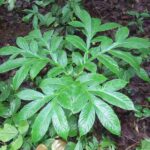
Yam
A traditional phytomodulator used for menopausal symptom support.
Yam (Dioscorea villosa), often called wild yam, is a perennial climbing plant native to the Americas whose underground rhizome is used in herbal medicine. The dried rhizome contains diosgenin, a plant-derived precursor associated with steroid hormone synthesis; in herbal practice the species is commonly regarded as a phytomodulator and has a long tradition of use for conditions related to hormonal change.
Traditionally used for menopausal complaints, muscle cramps and certain pain conditions, yam appears in preparations ranging from powdered rhizome to standardized extracts, with reported supplemental doses varying roughly between 300 mg and 2 g per day depending on the extract. Individual responses can vary; some research and traditional use note anti-inflammatory or relaxant actions, and safety cautions commonly advise avoiding use in children, pregnant or breastfeeding people, and those undergoing hormonal treatments—seek professional medical advice before use.
At a Glance
A perennial climbing plant native to the Americas, yam is traditionally harvested for its underground rhizome which is used in herbal preparations.
The dried rhizome contains diosgenin, a plant-derived steroid precursor and is commonly cited in traditional use as a phytomodulator, notably for menopausal complaints.
| Common name |
|
|---|---|
| Scientific name | Dioscorea villosa |
| Plant family | Dioscoreaceae |
| Origin | America |
| Parts used | Rhizome |
| Active compounds |
|
| Main benefits |
|
| Available forms |
|
Origin & History
Native to the Americas, yam (Dioscorea villosa) is a perennial climbing vine that produces tuberous rhizomes traditionally collected for medicinal and nutritional use. It grows best in moist, forested tropical environments where the vine climbs through vegetation and stores nutrients in its underground rhizomes.
A long history of folk use across Central America records applications for rheumatic pain, sciatica, skin complaints and menstrual or ovarian discomfort. Aztec herbalists in particular used yam rhizomes to address rheumatic and gynecological complaints. Scientific interest later focused on the rhizome’s diosgenin content, which established the plant as a source of steroid precursors for industrial extraction and shaped its reputation in herbal approaches to hormonal balance; however, species, preparation and individual responses vary.
Composition & Active Compounds
Yam is a perennial climbing vine with broad, heart-shaped leaves and small flowers; the underground rhizomes resemble tubers, typically about 7–8 cm long and 5–10 mm in diameter, with a gray-white exterior and white flesh. The rhizome is the material most often harvested and processed into a dried powder or extract; identified constituents include diosgenin, sterols, tannins and starches, which are the focus of most phytochemical descriptions. The dried rhizome is the part most commonly used in supplements and is the primary source of diosgenin.
- Diosgenin: plant-derived steroidal sapogenin found in the rhizome, noted as a precursor in steroid chemistry and referenced in herbal contexts for hormonal modulation.
- Sterols: plant sterols present alongside diosgenin; contribute to the rhizome’s sterol profile.
- Tannins: polyphenolic compounds; commonly reported in analyses of the rhizome.
- Starch: storage carbohydrate; abundant in the tuberous rhizome material.
Properties & Effects
Yam is traditionally known for uses related to hormonal balance, common menopausal complaints, pain relief and muscle relaxation. Traditional and ethnobotanical sources describe a range of applications derived from the dried rhizome.
The most notable property attributed to yam is its use as a phytomodulator for menopausal and other hormone-related symptoms.
- Hormonal modulation: may support changes linked to hormone fluctuations and is traditionally used as a phytomodulator.
- Support for menopausal symptoms: may support relief of hot flashes, mood changes and other menopausal complaints.
- Anti-inflammatory / Analgesic: may support reduction of certain types of pain such as rheumatic or sciatic discomfort.
- Muscle relaxant: may support easing of cramps, including abdominal or digestive spasms.
- Other effects under study: may support effects reported in research such as antifatigue, anticellulite, choleretic, diuretic or cardioprotective actions, though evidence is limited.
Dosage & How to Use
Dosing recommendations for yam are not standardized and depend on the extract type and product instructions.
| Dosage | 300 mg–2 g per day, varies by extract and individual, follow product instructions and consult a healthcare professional |
|---|
Safety, Side Effects & Contraindications
Certain groups should avoid yam or use it only under medical supervision because evidence on safety is limited and the plant can affect hormone-related processes.
Reported side effects are uncommon and generally mild, most often transient digestive disturbances such as vomiting; because yam may interact with hormonal therapies, consult a healthcare professional before use and discontinue if adverse effects occur.
- Children: contraindicated due to limited safety data.
- Pregnant and lactating women: contraindicated during pregnancy and breastfeeding.
- People undergoing hormonal treatment: contraindicated for those receiving hormonal therapy; use only under medical supervision.
Avoid use in children, during pregnancy or breastfeeding, and if receiving hormonal treatments; consult a healthcare professional before use.