
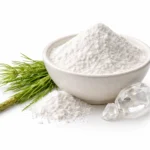
Silicon
Mineral associated with connective tissue, bone and skin support.
Silicon is a mineral element present throughout the human body that participates in the synthesis of structural proteins such as collagen and elastin. It contributes to bone rigidity and remineralization, supports cartilage and joint tissues, and is associated with the condition of skin, hair and nails; it also helps maintain vascular tone and wall elasticity. Uses and effects may vary by individual.
Dietary silicon is obtained from plant sources and traditional preparations such as bamboo-derived extracts, horsetail and nettle, and supplements are available as capsules, drinkable solutions and topical gels or liquid compresses. Precise therapeutic dosages are not universally established and formulations differ; internal supplementation is contraindicated for people with renal impairment and is generally not advised for pregnant or breastfeeding women or children without professional guidance, while external preparations have no particular contraindications. Consult a healthcare professional before beginning supplementation, as responses can vary.
At a Glance
Silicon is a naturally occurring mineral element widely distributed in the earth’s crust and present in virtually all living organisms.
It participates in the formation of structural proteins such as collagen and elastin and is associated with bone mineralization, joint tissues, vascular elasticity and the condition of skin, hair and nails.
| Common name |
|
|---|---|
| Scientific name | Si |
| Origin |
|
| Parts used | Plant-derived extracts (bamboo, horsetail, nettle) |
| Active compounds |
|
| Main benefits |
|
| Available forms |
|
Origin & History
Silicon is a chemical element (Si) that is the second most abundant element in the earth’s crust after oxygen and occurs widely in soils, rocks and many plant species. It is also present in virtually all living organisms, where it is commonly found combined with other elements rather than in a free state; the element was first isolated in 1823 by the chemist Jöns Jacob Berzelius.
In traditional Indian practice, bamboo-derived tabashir (a silica-rich resin) has long been used as a restorative mineral substance and in folk approaches to rheumatic complaints. Other cultural practices record the use of silica-rich materials for joint and body support, such as historic North African techniques involving sand, and a range of herbal sources—bamboo, horsetail and nettle—have been valued as dietary silica contributors; contemporary preparations draw on these plant sources, though effects and uses may vary by individual.
Composition & Active Compounds
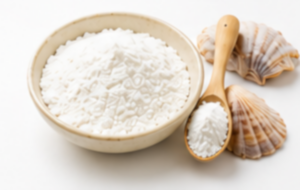
Elemental silicon is a hard, brittle, dark gray metalloid that rarely occurs in a free state and is normally found combined with oxygen as silica or integrated within plant tissues. Silicon, silica (silicon dioxide) and organically bound silicon are the principal chemical constituents targeted in supplements because they represent the forms in which the element is supplied to support structural proteins and mineral interactions in tissues.
- Silicon: the elemental form (Si) present in organisms and plant-derived extracts
- Silica (silicon dioxide): the oxide form commonly found in soils, sands and plant deposits
- Organic silicon forms: plant-derived, more bioavailable silicon species used in supplements

Properties & Effects
Silicon is traditionally known for its association with structural tissues and is used to support connective tissue integrity in joints, bones, blood vessels and the integumentary system. Research and traditional use most strongly associate silicon with supporting joint mobility and connective tissue health.
- Joint mobility: may support joint mobility and the maintenance of cartilage and connective tissues.
- Bone remineralization: may support bone mineralization and the maintenance of bone strength.
- Vascular tone and elasticity: may support vascular tone and the elasticity of blood vessel walls.
- Skin, hair and nails: may support skin firmness and elasticity and help maintain the condition of hair and nails.
Dosage & How to Use
Guidance on dosing and application varies by product and intended use.
| Internal use |
|
|---|---|
| External use |
|
Safety, Side Effects & Contraindications
Internal silicon supplementation should be approached with caution, as certain populations are advised to avoid it and individual responses can vary. External topical preparations generally have no particular contraindications, but medical guidance is recommended for internal use.
Known adverse effects include potential kidney harm when organic silicon is taken in large amounts for prolonged periods; silicon can also influence trace mineral activity such as zinc and copper, so concurrent use of mineral supplements or medications affecting mineral balance should be discussed with a healthcare professional.
- Renal insufficiency: internal silicon supplements are contraindicated for people with kidney impairment
- Pregnancy: internal use is not advised for pregnant women without professional supervision
- Breastfeeding: internal use is not advised for lactating mothers without professional supervision
- Children: internal supplementation is not recommended for children without professional guidance
- High-dose or long-term use: may cause undesirable effects on the kidneys; medical supervision is advised
Internal silicon supplements are not recommended for people with kidney impairment, pregnant or breastfeeding women, or children; high doses over long periods may harm kidneys. Consult a healthcare professional before use.