
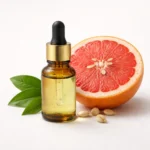
Grapefruit Seed
A citrus-derived extract used to support immune health and microbial balance.
Grapefruit seed extract is a liquid preparation made from the seeds, pulp and mesocarp of grapefruit (Citrus x paradisi). It is rich in citroflavonoids—such as naringin, hesperidin and quercetin—and vitamin C, and is used by many people worldwide as part of natural health regimens aimed at supporting immunity and general wellbeing.
Research and product descriptions report anti-inflammatory and broad-spectrum antimicrobial and antifungal activity, and the extract is applied both preventively and curatively for issues ranging from seasonal respiratory complaints to certain oral and gastrointestinal infections. Dosage, extraction method and formulation vary by manufacturer; safety considerations include possible citrus allergy, reports of Herxheimer-type reactions, and contraindications in pregnancy, lactation and young children. Uses and effects may vary by individual, so follow product labeling and seek professional guidance when needed.
At a Glance
Extracted from the seeds, pulp and inner mesocarp of grapefruit, grapefruit seed extract concentrates the fruit’s flavonoids and vitamin C.
It contains citroflavonoids such as naringin, hesperidin and quercetin and is commonly used to support immunity and for broad-spectrum antimicrobial and antifungal purposes. Formulations and extraction methods vary between manufacturers, and effects may differ by individual.
| Common name |
|
|---|---|
| Scientific name |
|
| Classification | Rutaceae |
| Origin | Southeast Asia |
| Parts used |
|
| Active compounds |
|
| Main benefits |
|
| Available forms |
|
Origin & History
The grapefruit is a citrus hybrid originating in Southeast Asia, derived from crosses between pomelo (Citrus maxima) and sweet orange (Citrus sinensis). It is cultivated widely across subtropical and tropical regions and thrives in protected, sunny locations with neutral to acidic, well-drained soils; the extract is prepared from the seeds, pulp and inner mesocarp of the fruit.
In 1980 a chance observation by Dr. Harich—that grapefruit seeds in compost resisted decay—prompted investigation and led to methods for extracting the seeds’ active constituents and rapid commercialization of grapefruit seed extract in Europe. Since that time the extract has been manufactured by different laboratories using varying raw materials and processes, and has been adopted into a range of natural-health preparations in several countries.
Composition & Active Compounds
Grapefruit seeds are small, hard and typically pale, dispersed within the juicy pulp of the fruit; extracts are prepared from seeds often together with pulp and mesocarp and yield a concentrate of citrus-derived flavonoids and vitamin C. The main chemical constituents in these extracts are citroflavonoids—represented by compounds such as quercetin, naringin and hesperidin—and ascorbic acid (vitamin C), which together form the basis of the extract’s reported properties.
Citroflavonoids are considered the principal active constituents concentrated in grapefruit seed preparations.
- Quercetin: a flavonoid present in citrus, noted in sources for antioxidant and anti-inflammatory activity.
- Naringin: a major grapefruit flavonoid that contributes to the fruit’s bitter profile and is prominent among citroflavonoids.
- Hesperidin: a citrus flavonoid commonly found in pulp and peel, part of the citroflavonoid complex.
- Vitamin C: ascorbic acid, contributing antioxidant capacity and cited for anti-inflammatory roles in sources.
Related Herbs
Properties & Effects
Grapefruit seed extract is traditionally used as a citrus-derived supplement aimed at supporting immune function and addressing microbial concerns. It is incorporated into preventive and curative natural-health approaches for a range of minor infections and inflammatory complaints.
Among reported effects, broad-spectrum antimicrobial and antifungal activity is the most frequently cited and used property.
- Immunostimulant: May support the body’s immune response and general wellbeing when used as part of natural regimens.
- Anti-inflammatory: May support reduction of inflammation-related symptoms in some people.
- Antimicrobial and antifungal: Research and traditional use suggest it may support control of certain bacterial and fungal concerns.
Dosage & How to Use
Dosage depends on product concentration and dilution; follow manufacturer guidance.
| Preventive or curative |
|
|---|
Safety, Side Effects & Contraindications
Grapefruit seed extract should be avoided by people who are pregnant or breastfeeding and is not recommended for children under 6 years of age. Individuals with known citrus allergy may experience allergic reactions and should not use this extract without medical advice.
Reported side effects include allergic responses and occasional Herxheimer-type reactions linked to microbial die-off; some sources advise starting treatment gradually and maintaining good hydration. Always follow manufacturer instructions and seek professional guidance for ongoing or serious health concerns, as responses may vary by individual.
- Pregnancy and lactation: Not to be used during pregnancy or breastfeeding.
- Children: Not recommended for children under 6 years.
- Allergy: Risk of citrus allergy in sensitive individuals.
- Herxheimer reaction: Possible reaction during microbial die-off; start treatment gradually and drink plenty of water.
Not to be used during pregnancy or breastfeeding; not recommended for children under 6 and may trigger citrus allergy or Herxheimer-type reactions. Consult a healthcare professional before use, especially if pregnant, nursing, taking medications, or managing health conditions.