
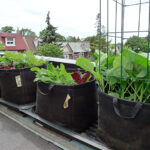
Black Radish
A pungent winter root traditionally used to support liver detox and digestive drainage.
Black Radish (Raphanus sativus var. niger) is a large winter root in the Brassicaceae family, notable for its rough black-brown skin and firm white flesh. Rich in glucosinolates and other phytochemicals, it has a long history as a culinary vegetable and as a traditional supportive herb for digestion, bile flow (choleretic and cholegogue activity), urinary drainage and bronchopulmonary mucus clearance; it is also described in the literature for potential hepatoprotective and detoxifying effects.
Available fresh, juiced or in medicinal formats such as powders, tinctures, syrups and capsules, preparations and active content vary widely; supplemental powder doses reported in studies range roughly from 500 to 2000 mg depending on extract strength. Uses and responses differ between individuals, and Black Radish is generally not recommended for people with gastritis or bile duct obstruction; consult product labels and a healthcare professional for personalized advice.
At a Glance
A robust winter root vegetable from the mustard family, black radish has a coarse dark skin and dense white flesh and is used both as food and as a traditional supportive herb.
It is rich in glucosinolates and is traditionally used to support bile flow, digestion and urinary drainage.
| Common name |
|
|---|---|
| Scientific name | Raphanus sativus var. niger |
| Plant family | Brassicaceae |
| Origin | Asia Minor |
| Parts used | Root |
| Active compounds |
|
| Main benefits |
|
| Available forms |
|
Origin & History
Black radish originates from Asia Minor and belongs to the Brassicaceae family; it grows as a hardy, fast-developing root crop in open fields and adapts well to sandy, well‑aerated soils. Cultivation in Europe traditionally runs from sowing in late spring through autumn with a typical four‑month cycle leading to winter harvest, making it a common winter vegetable where it has been easy to grow for centuries.
In European folk practice the black radish was long valued both as a pungent winter staple and as a traditional remedy associated with digestive and ‘‘draining’’ uses. Historically the root appears in kitchens and herbal traditions alike — eaten raw or cooked in salads, soups, stews and fritters, and prepared as juices, powders, syrups or tinctures in various regional remedies; its seeds are occasionally used too, though that practice is less common.
Composition & Active Compounds
Black radish is a large, herbaceous root with a rough black-brown skin and firm white flesh, typically 15–20 cm long and 5–7 cm in diameter and sometimes exceeding 500 g. Its chemical profile is marked by a high concentration of glucosinolates relative to many other Brassicaceae, alongside polyphenols and a range of nutrients including beta‑carotene, B vitamins (notably B9), vitamin C and minerals such as potassium, iodine, copper and calcium; these constituents influence flavor and the plant’s phytochemical activity.
Glucosinolates are the principal active group in black radish and the root is the part most commonly used in supplements.
- Glucosinolates: sulfur-containing compounds that yield characteristic breakdown products and are central to the plant’s phytochemistry
- glucorafenina: a predominant glucosinolate identified in black radish
- gluconasturtiina: one of the glucosinolates present
- glucosimoria: a named glucosinolate component
- glucorafasatina: a named glucosinolate component
- glucosisautricina: a named glucosinolate component
- glucoputrajivina: a named glucosinolate component
- Polyphenols: plant phenolic compounds present in the root

Properties & Effects
Black radish is traditionally known as a pungent winter root used both as a food and as a supportive herb for bodily ‘‘drainage’’ functions and digestive health. Its most widely cited traditional use is as a detoxifying and hepatoprotective remedy.
- Detoxifying / hepatoprotective: May support liver-related detoxification and is traditionally included in cleansing regimens.
- Urinary drainage: May support urine flow and has been used traditionally in contexts related to urinary calculi.
- Digestive support and gastroprotection: May support digestive comfort and is traditionally used to help protect the stomach’s lining.
- Bronchopulmonary support: May support mucus clearance in the airways and has traditional use in bronchial conditions.
- Anti-inflammatory (skin): May support inflammatory skin conditions such as acne, eczema or minor superficial burns when used topically in traditional practice.
- Potential anticancer activity: Some preliminary research suggests possible activity against bladder and colon cancers, but evidence is limited and not conclusive.
Dosage & How to Use
Dosage guidance varies by preparation and extract strength; available reports focus on powdered supplements.
| Powder (supplement) |
|
|---|
Safety, Side Effects & Contraindications
Black radish is generally well tolerated in traditional use, but some people should avoid it: it is not recommended for individuals with gastritis or with obstruction of the bile ducts. No adverse effects have been reported in the provided sources to date, though individual sensitivities and responses can vary.
Medication interactions are not well documented in the available facts; anyone taking prescription drugs or with existing liver, biliary or significant gastrointestinal conditions should consult a healthcare professional before using concentrated preparations. Follow product labeling and discontinue use if unexpected symptoms occur, seeking medical advice as needed.
- Gastritis: Not recommended for people with gastritis.
- Bile duct obstruction: Not recommended for people with obstruction of the bile ducts.
Not recommended for people with gastritis or bile duct obstruction; consult a healthcare professional before use, especially if taking medications or if you have liver or gastrointestinal conditions.