Bee Pollen
A nutrient-dense energizer traditionally used to support vitality and reduce fatigue.
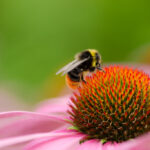
Bee Pollen is the nutrient-dense collection of pollen pellets gathered by forager bees and deposited as compact balls in the hive. It contains concentrated proteins, vitamins, minerals, flavonoids and antioxidants, and is available in forms such as dried granules, capsules and mixed preparations.
Traditionally used as an energizing, antifatigue supplement and for urinary comfort in men with prostate concerns and for easing some menopausal symptoms, bee pollen is also linked to immune-supporting and antioxidant activity; uses and effects vary between individuals, and medical advice is recommended before use—particularly for people with known allergies or other health conditions.
At a Glance
Collected as compact pellets by forager bees and stored in the hive, bee pollen combines floral pollen with nectar and bee secretions to form a nutrient-rich food source. It is traditionally used as an energizing, antifatigue supplement and for urinary comfort in men with prostate concerns. Composition varies with floral origin and individual responses and allergic risk should be considered before use.
| Common name |
|
|---|---|
| Origin | Collected in the hive from forager bees’ pollen pellets |
| Parts used | Whole pollen pellet |
| Active compounds |
|
| Main benefits |
|
| Available forms |
|
Origin & History
Bee pollen originates from the microscopic pollen grains produced by seed-bearing flowering plants; forager bees collect and moisten those grains to form compact pellets that are carried back to the hive and stored. Within the hive these pellets may be covered with honey or propolis and undergo partial fermentation to become bee bread, a nutrient-rich food for larvae and young nurse bees; composition and colour vary with floral source, and a typical hive yields only a few kilograms of pollen per year, so careful harvesting is required to avoid removing more than a small portion of the supply.
Apitherapy — the use of hive products, including bee pollen — has been practiced by many cultures across history. Historically bee pollen and related hive products have been collected and valued worldwide as concentrated foodstuffs and dietary supplements, used as part of traditional remedies and as nutritional supplements during convalescence or seasonal changes; modern apiarists harvest pellets with entry traps and preserve them by gentle dehydration or freezing to retain nutritional quality.
Composition & Active Compounds
Bee pollen appears as small granules or pellets with colours that vary from yellow and brown to purple or black depending on floral source. Its chemical makeup includes proteins (with all essential amino acids), carbohydrates, essential fatty acids, vitamins, minerals and a range of bioactive phytochemicals such as flavonoids, phenolic antioxidants, phytosterols and enzymes; these constituents together provide nutritional value and contribute to antioxidant and bioactive properties without implying specific medical effects. The whole pollen pellet is the part most commonly used in supplements.
- Flavonoids: plant-derived antioxidants
- Phenolic antioxidants: antioxidant compounds including phenols
- Phytosterols: plant sterols present in pollen
- Proteins: includes essential amino acids
- Essential fatty acids: unsaturated fatty acids such as oleic and omega-3/6
- Vitamins A and E: fat‑soluble vitamins with antioxidant roles
- Selenium: trace mineral with roles in antioxidant enzymes
- Zinc: trace mineral involved in multiple biological functions
- Copper: trace mineral present in small amounts
- Enzymes: digestive and metabolic enzymes such as amylase and peptidase
- Growth hormones: growth‑related compounds reported in pollen
Properties & Effects
Bee pollen is traditionally known as a nutrient-dense hive product used to support energy, resilience and certain life-stage or seasonal complaints. It is most commonly used as an energizing, antifatigue supplement.
- Energizing and antifatigue: Bee pollen may support energy levels and help reduce feelings of fatigue when taken as a dietary supplement.
- Immune support: Bee pollen may support normal immune function and provide nutrients that contribute to general immune resilience.
- Menopausal symptom relief: Bee pollen has been traditionally used to help reduce some menopausal complaints such as hot flashes and irritability.
- Desensitization for pollen allergy: In some settings bee pollen has been used as part of desensitization approaches for pollen allergy, but responses vary and medical supervision is advised.
- Antioxidant activity: Bee pollen may provide antioxidant support through dietary antioxidant compounds.
- Urinary comfort for prostate issues: Bee pollen is traditionally used to provide comfort for urinary symptoms associated with prostate problems in men.
Dosage & How to Use
Follow product instructions and professional advice when using bee pollen.
| Standard treatment |
|
|---|
Safety, Side Effects & Contraindications
People with a history of pollen or bee‑product allergies should exercise caution with bee pollen because allergic reactions are possible; starting with a very small amount and monitoring for symptoms is recommended. There are no specific medication interactions listed in the provided facts, but medical advice is advised for anyone with known allergies, a history of severe allergic reactions, or other medical conditions before beginning regular use.
Known side effects primarily involve allergic responses; if signs of allergy occur, discontinue use and seek medical attention. Before using bee pollen as part of an allergy desensitization approach or in any therapeutic protocol, consult a qualified healthcare professional for supervision and testing.
- Allergy test: begin with a small amount to check for an allergic reaction.
- Medical supervision for desensitization: consult a physician before using bee pollen for allergen desensitization.
May cause allergic reactions in people sensitive to pollen or bee products; consult a healthcare professional before use, especially if allergic or considering desensitization.