
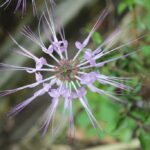
Java Tea
A traditional diuretic herb used to support drainage and fluid balance.
Java Tea (Orthosiphon stamineus, also called Orthosiphon aristatus or “cat’s whiskers”) is a perennial herb native to Southeast Asia whose dried leaves have long been used in traditional medicine for renal and urinary complaints and as a cleansing infusion. Modern research highlights its diuretic activity; leaves and a small portion of stem contain flavonoids (including sinensetina), rosmarinic acid and potassium salts that are associated with antioxidant and anti‑inflammatory activity in laboratory studies. Uses and effects may vary by individual, and traditional or experimental findings do not guarantee a specific outcome.
Java Tea is commonly consumed as an herbal infusion and is also available as powdered extracts and capsules, with typical supplemental doses reported in the 200–600 mg per day range, often divided into two doses. Because of its diuretic properties, maintaining adequate hydration is recommended, and medical advice should be sought before use—particularly for people who are pregnant or breastfeeding, those with renal or cardiac impairment, individuals with recent renal colic or kidney stones, or anyone taking medication for high blood pressure. Individual responses and product strength can influence tolerability and effects.
At a Glance
A perennial herb from Southeast Asia, Java Tea has a long history of traditional use as an herbal infusion and in processed supplements. Leaves and a small proportion of stem contain flavonoids, rosmarinic acid and potassium salts associated with diuretic, antioxidant and anti‑inflammatory activity in experimental studies.
| Common name |
|
|---|---|
| Scientific name |
|
| Plant family | Lamiaceae |
| Origin | Southeast Asia |
| Parts used |
|
| Active compounds |
|
| Main benefits |
|
| Available forms |
|
Origin & History
Java Tea is native to the tropical regions of Southeast Asia, occurring naturally from Burma through Indonesia and the Philippines. It prefers warm, humid habitats and is a perennial shrub that can reach about one metre in height; cultivation has since spread to other tropical areas, including parts of Australia and South America.
Used for centuries in regional herbal traditions, the dried leaves are most often prepared as an infusion and have a longstanding place in local remedies for urinary and renal complaints as well as other conditions described in ethnobotanical records. It was particularly popular on the island of Java as a traditional cleansing infusion, which gave rise to the common name “Java Tea.”
Composition & Active Compounds
Java Tea is a perennial shrub up to about one metre tall with opposite, irregularly toothed leaves and clustered white, blue or lilac flowers bearing long stamens; in herbal preparations the dried leaves (and a small portion of stem) are the principal material used. Its chemical profile is rich in flavonoid glycosides and lipophilic flavones, rosmarinic acid, potassium salts and minor volatile and terpenoid constituents; these compounds are the primary focus of phytochemical and activity studies because they relate to antioxidant, anti‑inflammatory and diuretic effects observed in laboratory and clinical research. Leaves are the main part used in supplements and contain the highest concentrations of the active flavonoids.
- Sinensetina: a lipophilic flavone noted in Java Tea and associated with antioxidant activity.
- Eupatorina: a flavonoid present among the leaf constituents with reported anti‑inflammatory potential.
- Rosmarinic acid: a phenolic compound with antioxidant properties commonly found in the Lamiaceae.
- Potassium salts: inorganic constituents present in measurable amounts in the stem and leaves.
- Salvigenina: a flavone cited among the plant’s lipophilic flavonoids.
Related Herbs
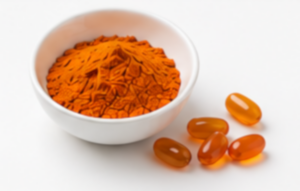
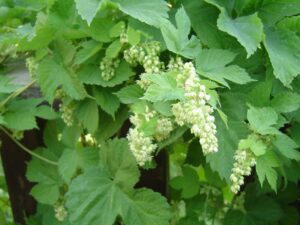
Properties & Effects
Java Tea is traditionally known as an herbal remedy for urinary and renal complaints and as a cleansing or draining infusion in Southeast Asian folk medicine. Diuretic activity is the most consistently reported property of Java Tea.
- Diuretic: may support increased urine output and is traditionally used to promote renal elimination.
- Drainage and detox: may support the removal of excess fluid and is commonly included in cleansing or detoxification approaches.
- Antioxidant: research suggests it may support protection against oxidative damage.
- Anti-inflammatory: may support reduction of inflammatory responses or related discomfort.
Dosage & How to Use
Typical dosing guidance for Java Tea supplements is outlined below based on available product information.
| Supplemental dose |
|
|---|
Safety, Side Effects & Contraindications
Use of Java Tea should be approached with caution in people with certain health conditions or who are taking specific medications; medical advice is recommended before starting supplementation. Known precautions reflect the plant’s diuretic activity and its historical guidance in traditional use.
Published sources report no consistent adverse effects when Java Tea is used within recommended doses, but individual tolerance may vary and adverse reactions cannot be excluded; maintaining adequate hydration is advised. Because of its diuretic properties, it may affect fluid balance and could interact with treatments for blood pressure or with conditions that impair kidney or heart function, so consult a healthcare professional before use.
- Pregnancy and breastfeeding: not recommended without medical advice.
- Renal insufficiency: contraindicated without medical supervision.
- Cardiac insufficiency: contraindicated without medical supervision.
- Renal colic: use is contraindicated during colic crises.
- Antihypertensive treatment: avoid without medical advice due to potential interactions.
Not recommended during pregnancy or breastfeeding and contraindicated in renal or cardiac insufficiency or during renal colic; may interact with blood‑pressure medicines—consult a healthcare professional before use.