
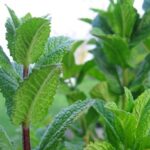
Peppermint
A menthol-rich herb traditionally used for digestive comfort.
Peppermint (Mentha x piperita) is a hybrid mint valued for an aromatic essential oil rich in menthol, which produces a distinctive cooling scent. Widely used in aromatherapy and herbal preparations, peppermint is commonly associated with digestive comfort and a refreshing topical analgesic effect, reflecting both traditional use and research into antispasmodic and soothing properties.
Available as an essential oil, enteric-coated capsules, or diluted topical blends, peppermint is versatile but requires cautious use. Effects and tolerability vary by individual; it is generally not recommended for people with gallstones, during the first trimester of pregnancy, for young children, or without medical advice when taking other medications.
At a Glance
A perennial hybrid in the Mentha genus, peppermint yields an essential oil notable for a high menthol content and a pronounced cooling aroma.
It is used in aromatherapy and herbal preparations for digestive comfort and topical cooling, but effects and tolerability vary by individual.
| Common name |
|
|---|---|
| Scientific name | Mentha x piperita |
| Plant family | Lamiaceae |
| Origin | Europe |
| Parts used | Aerial parts |
| Active compounds |
|
| Main benefits |
|
| Available forms |
|
Origin & History
Peppermint (Mentha x piperita) arose as a natural hybrid between spearmint and watermint and is adapted to temperate, moist habitats such as stream edges and ditches. It is cultivated widely for its aromatic aerial parts, with commercial production across Europe, the Americas and Asia and notable growing regions in parts of France.
Hippocrates and other classical authors recorded peppermint’s use for intestinal complaints and as an aromatic herb. Traces of peppermint appear in ancient Egyptian records, and the plant featured in Greek and Roman herbal traditions; over time it has been used in culinary, perfumery and therapeutic contexts. The menthol-rich essential oil became especially valued in aromatherapy and topical preparations, while cultural uses and preparations have varied by region and era.
Composition & Active Compounds
Peppermint produces aromatic green leaves and small reddish to violet flowers; the aromatic aerial parts are distilled to yield an essential oil dominated by menthol and related monoterpenes. The essential oil from the aerial parts is the primary material used in supplements and topical products and is notably rich in menthol. Key constituents identified in analyses include menthol, menthone, isomenthone, 1,8-cineol and other monoterpenes and esters, which account for the plant’s characteristic cooling aroma and are the focus of phytochemical interest.
- Menthol: Major monoterpene, principal contributor to cooling sensation
- Menthone: Ketone constituent, common counterpart to menthol
- Isomenthone: Monoterpene isomer present in essential oil
- 1,8-cineol: Oxygenated monoterpene, contributes to aroma
- Neomenthol: Stereoisomer of menthol present in smaller amounts
- Mentofurano: Furanoid monoterpene found in trace to moderate amounts
- α-pinene: Monoterpene hydrocarbon contributing to scent profile
- β-pinene: Monoterpene hydrocarbon contributing to scent profile
- Limonene: Monoterpene associated with citrus-like aroma
- Esters (acetate, valerate): Volatile esters contributing to fragrance

Properties & Effects
Peppermint has a long history of use as an aromatic herb and is traditionally associated with easing digestive discomfort and providing a cooling topical effect.
Peppermint’s most well-documented use is for supporting digestive comfort.
- Digestive comfort: May support relief from bloating, nausea, and general intestinal discomfort when used orally in appropriate preparations.
- Topical analgesic: May support temporary reduction of headache and joint discomfort when applied in diluted form to the skin.
- Motion sickness support: May help reduce symptoms associated with motion-related nausea for some individuals.
- Respiratory/inhalation use: May provide temporary soothing of nasal or chest congestion when used by inhalation.
Dosage & How to Use
Practical guidance on common ways peppermint essential oil is used and typical amounts reported in the literature.
| Digestive disorders (oral) |
|
|---|---|
| Topical application |
|
| Inhalation for cold or cough | Place three drops of essential oil in a container with hot water and inhale the vapors |
Safety, Side Effects & Contraindications
Some people should avoid peppermint or use it only under professional supervision; the essential oil is highly concentrated and requires careful handling. Individuals with certain medical conditions, pregnant or breastfeeding people, young children and those taking other medications are among groups commonly advised to use caution.
Reported side effects and risks include skin reactions and a range of systemic effects after excessive exposure, including headache, slow heart rate and dizziness; in small children more serious events such as convulsions have been observed, and older adults may experience restlessness. Consult a healthcare professional before using peppermint oil, especially when combining it with prescribed medicines.
- Gallstones: Contraindicated in people with gallstones because peppermint may stimulate bile secretion.
- First trimester of pregnancy: Therapeutic use is contraindicated during the first trimester due to a potential stimulatory effect on the uterus.
- Breastfeeding: Active constituents may pass into breast milk, so peppermint is generally not recommended while breastfeeding.
- Children under 8 years: Not recommended for young children; peppermint oil has been associated with convulsions in small children.
- Drug interactions: Seek medical advice before use if taking other medications.
- Concentrated essential oil/overdose: Essential oil is very concentrated; improper use or overdose can cause skin reactions, headache, slow heart rate and dizziness.
- Older adults: May cause restlessness in elderly individuals.
Peppermint essential oil is concentrated and has known contraindications (e.g., gallstones, first trimester pregnancy, young children); consult a healthcare professional before use or if taking medications.