
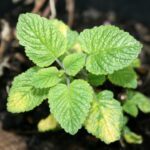
Lemon Balm
A calming herb for nervous tension and digestive comfort.
Lemon Balm (Melissa officinalis) is a perennial herb in the Lamiaceae family, native to the eastern Mediterranean. Its toothed, aromatic leaves have a lemon-like scent and are used fresh or dried in teas, tinctures, extracts and topical preparations. Traditionally valued for calming the nervous system and for digestive comfort, lemon balm has been investigated for anxiolytic and sleep-supportive effects and is recognized by herbal monographs for symptomatic relief of nervous tension and functional digestive complaints.
Leaves contain phenolic acids (notably rosmarinic acid), flavonoids and an essential oil rich in citral, citronellal and linalool; these constituents provide antioxidant activity and may influence GABAergic pathways. Lemon balm is available as herbal tea, powdered supplements, liquid extracts and topical formulations; individual responses vary and effects are not guaranteed. Use with caution in pregnancy, breastfeeding, children under 12 and in people with thyroid disorders, and avoid prolonged use without professional guidance due to possible sedation and interactions.
At a Glance
A perennial member of the mint family, lemon balm is an aromatic herb with toothed leaves and a lemon-like scent that has been used traditionally for nervous tension and digestive complaints.
Leaves and flowering tops are used fresh or dried in teas, extracts and topical preparations, and the herb contains phenolic acids, flavonoids and an essential oil with citral-related compounds.
| Common name |
|
|---|---|
| Scientific name | Melissa officinalis |
| Plant family | Lamiaceae |
| Origin | Eastern Mediterranean |
| Parts used |
|
| Active compounds |
|
| Main benefits |
|
| Available forms |
|
Origin & History
Native to the eastern Mediterranean, lemon balm (Melissa officinalis) is a perennial herb in the mint family that thrives in temperate gardens, wild margins and cultivated beds; its toothed, aromatic leaves and nectar-rich flowers make it a frequent component of herb gardens and a favored plant for bees.
In ancient Greece and Rome the aerial parts were infused in wine and applied to wounds, a use documented by Dioscorides and Pliny. Later authors such as Theophrastus and Hippocrates recorded its value for stomach complaints, and over the centuries the plant spread through Europe and into other temperate regions, entering folk and formal herbal traditions (including Ayurvedic practice) for digestive and calming applications.
Composition & Active Compounds
Lemon balm is a perennial herb with opposite, toothed leaves and a lemon-scented aroma; plants reach about 30 cm to 1 m and produce small white to pale pink flowers in summer. Its chemistry is dominated by phenolic acids (rosmarinic, p-coumaric, caffeic, chlorogenic), flavonoids such as quercetin, triterpenes like ursolic and oleanolic acids, and an essential oil rich in monoterpenes and sesquiterpenes including geranial, neral, citronellal, geraniol, nerol and linalool; these constituents are associated with antioxidant activity, contribute to the herb’s aroma, and underlie many traditional uses.
Rosmarinic acid is a major phenolic compound concentrated in the leaves and is often regarded as a key active constituent.
- Rosmarinic acid: major phenolic acid in leaves
- p-coumaric acid: phenolic acid present in leaves
- Caffeic acid: common phenolic acid in herbal extracts
- Chlorogenic acid: phenolic compound found in the foliage
- Quercetin: flavonoid contributing to antioxidant activity
- Ursolic acid: triterpene found in leaf material
- Oleanolic acid: triterpene present in the herb
- Geranial: monoterpene aldehyde, part of citral
- Neral: monoterpene aldehyde, part of citral
- Citronellal: monoterpenoid found in the essential oil
- Geraniol: monoterpenoid alcohol in the oil
- Nerol: monoterpenoid alcohol in the oil
- Linalool: monoterpenoid contributing to aroma
Related Herbs
Properties & Effects
Lemon balm is traditionally known as a calming herb used for nervous tension and for symptomatic relief of functional digestive complaints.
Herbal monographs and research most consistently recognize lemon balm for its calming or anxiolytic effects.
- Calming / Anxiolytic: May support relaxation and a reduction in feelings of nervous tension.
- Sleep support: May help ease difficulty falling asleep and support sleep quality when used as part of a calming routine.
- Digestive relief: Traditionally used to relieve functional digestive discomfort such as spasms, bloating and flatulence.
- Antioxidant: May provide antioxidant activity that can help protect cells from oxidative damage.
- Antiviral / Antibacterial (topical): Topical preparations are traditionally used and recognized for reducing symptoms of herpes labialis (cold sores) and supporting lesion healing.
Dosage & How to Use
Dosing guidance below applies to powdered leaf preparations and may vary by product.
| Powder (capsule) |
|
|---|
Safety, Side Effects & Contraindications
Lemon balm is generally well tolerated when used short-term, but certain groups should avoid it or use it only under professional supervision. Reported adverse effects include mild sedation and a decrease in alertness; prolonged continuous use is not generally recommended.
Use with caution in people with thyroid disorders because aqueous extracts may affect TSH; consult a healthcare professional if taking thyroid medication or other prescribed treatments. Also consider potential additive drowsiness if lemon balm is taken alongside other sedative agents, and limit use to recommended durations to reduce the risk of cumulative effects.
- Pregnancy and breastfeeding: Avoid use during pregnancy and while breastfeeding.
- Children under 12: Not recommended for use in children younger than 12 years.
- Thyroid disorders: Use with caution in people with thyroid disease or taking thyroid medication due to possible effects on TSH.
- Prolonged use / sedation: May reduce alertness and is generally not advised for long continuous use; short-term courses (commonly up to one month) are typically recommended.
Avoid use during pregnancy, breastfeeding and in children under 12; use cautiously with thyroid disorders or sedative medications. Consult a healthcare professional before starting lemon balm.