
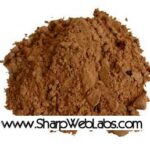
Guarana
A natural stimulant seed traditionally used to boost alertness and short-term energy.
Guarana (Paullinia cupana) is a climbing shrub native to the Amazon whose seeds are notably high in caffeine (often called guaranine) and rich in polyphenols. The roasted and powdered seeds are used worldwide in beverages and supplements for their stimulant and antioxidant properties, and the plant has a long traditional use among indigenous Amazonian peoples to counter fatigue and support wakefulness.
Contemporary use includes products aimed at increasing alertness, supporting short-term mental performance, and as an ingredient in some weight-management supplements, though individual responses vary. Suggested study-based intake ranges roughly from 1–2 g of seed powder to deliver a modest caffeine dose (about 50 mg), while total daily caffeine should generally not exceed common safety limits; guarana may be unsuitable for pregnant or breastfeeding people, children, those sensitive to stimulants, or people with certain cardiovascular or sleep disorders, and effects can differ between individuals.
At a Glance
Guarana is a climbing shrub native to the Amazon whose seeds are harvested, roasted and ground for use in powders, extracts and beverages. The seeds are rich in caffeine (sometimes called guaranine) and polyphenols, which contribute to stimulant and antioxidant properties. Indigenous Amazonian peoples have long used guarana seeds to combat fatigue and influence appetite.
| Common name |
|
|---|---|
| Scientific name | Paullinia cupana |
| Plant family | Sapindaceae |
| Origin | Brazilian Amazon |
| Parts used | Seeds |
| Active compounds |
|
| Main benefits |
|
| Available forms |
|
Origin & History
Guarana is native to the Brazilian Amazon and grows as a climbing shrub or liana in humid tropical forests. The plant produces red-orange fruits that open to reveal white pulp and black seeds; these seeds are hand-harvested, roasted and powdered for traditional and modern uses.
The indigenous Guaraní people traditionally chewed or prepared the seeds as a stimulant to counter fatigue and to sustain energy during long journeys or periods of scarcity. Guarana entered wider awareness outside South America by the 18th century and remains primarily cultivated in the Amazon, with seeds harvested in autumn and winter and used historically in beverages, tonic preparations and as a culturally significant stimulant; today it is also an ingredient in commercial drinks and supplements worldwide.
Composition & Active Compounds
Guarana produces red‑orange fruits that reveal white pulp and distinctive black seeds; the seeds are commonly roasted and ground into a powder used in supplements. The chemical profile of the seeds is dominated by methylxanthine alkaloids and polyphenols, alongside a range of other alkaloids, lipids, fatty acids, micronutrients and plant polysaccharides that contribute to its sensory and biological activity. The roasted seeds are the part most used in supplements and contain the highest levels of caffeine (often called guaranine).
- Caffeine (guaranine): primary methylxanthine alkaloid, responsible for the stimulant and antifatigue effects associated with guarana.
- Polyphenols (catechins, epicatechin): antioxidant flavonoids present in the seed matrix.
- Theobromine: methylxanthine alkaloid related to caffeine, present at lower levels.
- Theophylline: methylxanthine alkaloid occurring alongside other xanthines.
- Adenine: purine compound detected among the seed alkaloids.
- Guanine: purine base present in the alkaloid fraction.
- Hypoxanthine: purine derivative reported in the seed composition.
- Xanthine: purine compound that is a biochemical precursor in related pathways.
- Cyanolipids: lipid class reported in seed oil.
- Paulinic acid: fatty acid component of the seed lipid fraction.
- Oleic acid: common monounsaturated fatty acid found in the seed oil.
- Vitamins, minerals and oligoelements: assorted micronutrients present in seed material.
- Mucilages and pectins: plant polysaccharides contributing to seed texture and extract properties.

Properties & Effects
Guarana is traditionally used as a plant stimulant and tonic in Amazonian cultures to counter fatigue and support wakefulness. Research and traditional use most strongly support its stimulant and antifatigue effects.
- Stimulant and antifatigue: may support increased alertness and reduced sensations of tiredness in the short term.
- Weight management: research suggests it may support weight-management programs when combined with diet and exercise.
- Appetite suppression: may help increase feelings of fullness and reduce calorie intake.
- Cognitive performance: may support short-term improvements in attention and task performance.
- Antioxidant activity: may help counter oxidative processes linked to cellular ageing.
- Cardioprotective effects: some evidence suggests moderate consumption may be associated with markers of cardiovascular health, but findings are preliminary.
Dosage & How to Use
Suggested use and dosing vary by purpose and individual sensitivity to caffeine.
| Stimulant/antifatigue |
|
|---|---|
| Weight management |
|
| Pre-exercise |
|
| Administration | Take capsules with a large glass of water |
| Timing | Avoid taking after 16h to prevent sleep disruption |
| Safety limit | Do not exceed 400 mg of caffeine daily; check product caffeine content |
Safety, Side Effects & Contraindications
Certain groups should avoid guarana or use it only under medical supervision: people who are pregnant or breastfeeding, children, individuals sensitive to stimulants, people with cardiovascular conditions such as hypertension, those with anxiety or insomnia, and people with gastric ulcers. Guarana may cause side effects including palpitations, insomnia, nervousness, gastric irritation, headaches, nausea, vomiting, muscle cramps and increases in blood pressure, especially when consumed in excess or via high‑caffeine products.
The caffeine and related alkaloids in guarana can interact with some medications and may worsen certain medical conditions; consult a healthcare professional before use if taking prescription drugs or managing chronic health issues. Monitor total daily caffeine intake and avoid late‑day dosing to reduce the risk of sleep disruption and other stimulant‑related effects.
- Pregnancy and breastfeeding: contraindicated for pregnant and lactating people.
- Children: not recommended for use by children.
- Caffeine sensitivity: avoid if sensitive to caffeine or stimulants.
- Cardiovascular conditions: avoid in people with hypertension or other cardiovascular problems unless advised by a clinician.
- Anxiety or insomnia: may worsen symptoms of anxiety or disturb sleep.
- Gastric ulcers: may irritate the stomach and is not recommended with active ulcers.
Contains significant caffeine and may interact with medications; avoid if pregnant, breastfeeding, a child, highly sensitive to stimulants, or if you have cardiovascular or sleep disorders. Consult a healthcare professional before use.