
Glutathione
A principal intracellular antioxidant supporting cellular detoxification.
Glutathione, commonly listed as L‑Glutathione or GSH, is a small, water‑soluble tripeptide produced by the body and present in dietary sources such as citrus fruits, brassica vegetables and certain mushrooms. In its reduced form (GSH) it functions as a principal intracellular antioxidant and a cofactor in enzymatic detoxification pathways, contributing to neutralization of reactive oxygen species and regeneration of other antioxidants like vitamins C and E.
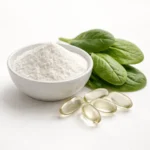
Available as capsules, tablets and liposomal formulations, typical supplemental doses for adults are often cited in the 100–300 mg daily range, with a recommended upper limit commonly noted at 600 mg. Uses and effects may vary by individual; evaluate potential benefits and risks and seek professional medical advice before beginning supplementation, particularly for people with underlying health conditions or taking medications.
At a Glance
A small, water-soluble tripeptide composed of glutamate, cysteine and glycine, glutathione is produced in cells and is present in dietary sources including fruits, brassica vegetables and certain mushrooms.
It functions as a principal intracellular antioxidant and serves as a cofactor in enzymatic detoxification pathways while helping to regenerate other antioxidants.
| Common name |
|
|---|---|
| Scientific name | GSH |
| Classification | Water-soluble peptide |
| Origin |
|
| Parts used |
|
| Active compounds |
|
| Main benefits |
|
| Available forms |
|
Origin & History
Glutathione is a naturally occurring tripeptide produced within cells of animals, plants and fungi and is also present in dietary sources such as citrus fruits, brassica vegetables, mushrooms and animal liver. It exists in reduced (GSH) and oxidized (GSSG) forms, and its presence across kingdoms of life reflects a widespread role in cellular chemistry rather than a single geographic habitat.
Although the molecule was identified in the 19th century, its antioxidant activity was first characterized in mid-20th century studies using liver extracts, and subsequent research found similar activity in plants. While glutathione itself was recognized scientifically relatively recently, foods rich in it—particularly organ meats like liver and brassica vegetables—have long featured in traditional cuisines and folk diets where they were valued for nourishment and as part of practices aimed at supporting general well-being.
Composition & Active Compounds
Glutathione is a small, water-soluble tripeptide composed of the amino acids glutamate, cysteine and glycine; it commonly occurs in cells in a reduced form (GSH) and an oxidized form (GSSG). The molecule appears as a simple peptide rather than a plant part, and its activity derives from the specific amino acid sequence and the thiol group supplied by cysteine, which underpin its chemical roles in redox and conjugation reactions.
L-Glutathione (the reduced form, GSH) is the principal active compound used in supplements.
- L-Glutathione (GSH): the reduced tripeptide form commonly used in supplements and responsible for the molecule’s primary biochemical activity.
- Glutamate: an amino acid constituent that forms one end of the tripeptide structure.
- Cysteine: a sulfur-containing amino acid that provides a reactive thiol group central to glutathione’s chemical activity.
- Glycine: the smallest amino acid in the tripeptide, contributing to the peptide backbone and overall structure.
Related Herbs

Properties & Effects
Glutathione is traditionally known as a small, naturally occurring molecule associated with protection against oxidative stress and support for cellular detoxification. Its most well-documented role is antioxidant protection at the cellular level.
- Antioxidant: Research suggests it may support reduction of oxidative stress in cells.
- Detoxification support: It may support liver detoxification processes and the body’s handling of certain toxins.
- Immune support: It may support normal immune cell function and the development of immune responses.
- Cellular aging support: It may help limit signs of cellular aging and support overall cellular health.
- Skin health: It may support skin elasticity, the appearance of fine lines, and a more even skin tone.
Dosage & How to Use
Typical guidance provides an adult dosing range and a daily safety limit.
| Adults | 100–300 mg per day |
|---|---|
| Precautions | Do not exceed 600 mg per day |
Safety, Side Effects & Contraindications
People with underlying health conditions or those taking prescription medications should consult a healthcare professional before starting glutathione supplements, to assess suitability and potential interactions. A clinician can advise on appropriate monitoring and whether supplementation is advisable in individual circumstances.
The facts include a dosing precaution: an upper intake limit of 600 mg per day is recommended, and adult supplemental ranges are commonly cited at 100–300 mg daily; staying within recommended limits may reduce the chance of adverse effects. Some individuals may experience tolerability issues or unwanted symptoms; discontinue use and seek medical advice if this occurs.
- Maximum daily intake: Do not exceed 600 mg per day.
Consult a healthcare professional before use; do not exceed 600 mg/day and seek advice if you have underlying health conditions or take medications.