
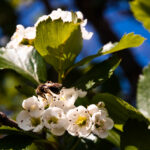
Hawthorn
A traditional herb used to support heart resilience and promote calm.
Hawthorn is a spiny shrub in the rose family (Crataegus spp.) native to Europe, western Asia and North Africa. Its aromatic flowers and flowering tops are used in traditional herbal medicine and contain polyphenols — notably flavonoids and proanthocyanidins — associated with antioxidant and cardioprotective effects in some studies. Hawthorn is commonly described as having cardiotonic and calming properties and is used for concerns such as palpitations, nervousness, mild sleep disturbances and elevated blood pressure, although individual responses vary.
Preparations include fresh-plant extracts, dried extracts, tinctures, infusions and standardized supplements; reported daily doses vary widely and commonly range from about 100–900 mg depending on extract strength and formulation. Effects and tolerability differ between people, and interactions with medications are possible; children, pregnant or breastfeeding people and anyone taking prescription treatments should consult a healthcare professional before use.
At a Glance
Hawthorn is a spiny shrub in the rose family used medicinally for its aromatic flowers and flowering tops. It is rich in polyphenols such as flavonoids and proanthocyanidins and is traditionally associated with calming effects, sleep support and cardiovascular benefits, with effects that may vary by individual.
| Common name |
|
|---|---|
| Scientific name |
|
| Plant family | Rosaceae |
| Origin |
|
| Parts used |
|
| Active compounds |
|
| Main benefits |
|
| Available forms |
|
Origin & History
Hawthorn is native to Europe, western Asia and North Africa and commonly grows as a spiny shrub in hedgerows, woodland edges and calcareous, sun‑exposed soils. It is slow‑growing and long‑lived, flowering in spring and fruiting in late summer to autumn; flowers and fruits are harvested seasonally for traditional use.
Historically the plant has served both practical and symbolic roles: its small red fruits were eaten fresh or dried and incorporated into food, and its wood and blossoms featured in local customs. Flowers and sprigs of hawthorn were often hung over cradles and doorways to protect infants and homes, and the plant featured in folk rites for fidelity and to ward off the evil eye. The genus name reflects old lore linking the plant to strength, and over centuries hawthorn gathered many regional names and cultural associations across Europe and beyond.
Composition & Active Compounds
Hawthorn is a spiny shrub with small, lobed leaves, white to pink aromatic flowers in spring and small red drupes in late summer; the flowers and flowering tops are the plant parts most commonly used in herbal preparations. Its chemistry is dominated by polyphenols — including flavonoids and oligomeric proanthocyanidins — alongside phenolic acids, triterpenic acids, aromatic amines and sterols, which are the focus of phytochemical and pharmacological research.
Flavonoids and proanthocyanidins are regarded as the principal active constituents in hawthorn preparations.
- Flavonoids: a class of polyphenols present in flowers and tops; linked to antioxidant activity.
- Oligomeric proanthocyanidins: condensed tannins with strong polyphenolic character; contribute to antioxidant properties.
- Flavanols (catechin, epicatechin): specific flavonoid subtypes found in hawthorn; part of the polyphenol profile.
- Phenolic acids (caffeic acid, chlorogenic acid): simple phenolics present in the plant; contribute to antioxidant activity.
- Triterpenic acids (crataegolic acid): pentacyclic triterpenes identified in hawthorn; part of the non‑polyphenolic fraction.
- Aromatic amines (tyramine): minor constituents occurring in the plant.
- Sterols: plant sterols present in extracts.
Properties & Effects
Hawthorn is traditionally known for calming effects and use in supporting cardiovascular function across herbal traditions. It is commonly used to address nervousness, minor sleep disturbances and certain heart‑related complaints, with individual responses varying.
Cardiovascular support, including mild cardiotonic effects, is among the most well‑documented traditional uses of hawthorn.
- Tranquilizing: traditionally used to promote calmness and reduce nervous irritability.
- Anti-stress: may support coping with periods of excess work, stress and emotional tension.
- Sleep support: traditionally used to help with falling asleep and short-term sleep disturbances.
- Cardiotonic: may support healthy circulation to the heart and the heart’s pumping function.
- Cardioprotective: may help protect heart tissue and support overall cardiac resilience.
- Regulation of cardiovascular irregularities: traditionally used to help with palpitations and to support healthy heart rhythm and blood pressure.
Dosage & How to Use
Dose depends on the type of extract and the product formulation.
There is no single indicative dose for hawthorn; reported daily amounts vary widely and commonly fall between 100 and 900 mg per day depending on extract strength and intended effects. Doses may differ if hawthorn is combined with other herbs such as passionflower or valerian. Follow the label instructions on specific preparations and consult a healthcare professional for personalised guidance, particularly for children, pregnant or breastfeeding people, and anyone taking prescription medications.
Safety, Side Effects & Contraindications
Certain groups should seek professional advice before using hawthorn: children, people who are pregnant or breastfeeding, and anyone taking prescription medications or undergoing medical treatment. Because hawthorn extracts contain active constituents, interactions with some medicines are possible and individual responses can vary, so consultation with a healthcare professional is recommended.
No significant side effects have been reported to date in traditional use and available safety summaries, but mild or uncommon reactions may still occur in some individuals; discontinue use and seek advice if any adverse effects appear. Follow product labelling and professional guidance, especially when combining hawthorn with other supplements or treatments.
- Children: consult a healthcare professional before use.
- Pregnancy: seek medical advice prior to use.
- Breastfeeding: seek medical advice prior to use.
- Concurrent prescription treatments: consult a healthcare professional because interactions may occur.
Consult a healthcare professional before use if pregnant, breastfeeding, giving to children, or taking prescription medications, as interactions may occur.