
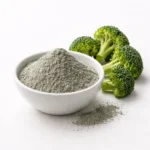
Chromium
Supports healthy blood glucose balance.
Chromium is a trace element found in foods and supplements, most commonly as trivalent chromium (Cr3+). It has been studied for its role in insulin potentiation and the regulation of blood glucose (glycemia), and for associated antioxidant actions that may influence oxidative stress linked to high blood sugar.
Dietary sources include brewer’s yeast, liver, shellfish such as oysters and mussels, and Brazil nuts; supplements are often provided as chromium picolinate. ANSES recommends a daily intake of about 50–200 μg, and certain groups (athletes, pregnant people, older adults, and those with obesity or metabolic syndrome) may be at higher risk of low chromium status. Industrial hexavalent chromium (Cr6+) is toxic; trivalent chromium has low toxicity at typical dietary levels. Uses and effects may vary by individual, and supplementation decisions should be made with professional guidance when appropriate.
At a Glance
An essential trace element, chromium occurs naturally in the earth’s crust and is present in small amounts in many foods and supplements.
Trivalent chromium (Cr3+) is the nutritional form most commonly used in supplements and has been studied for effects on insulin action and glycemic regulation. Industrial hexavalent chromium (Cr6+) is a distinct, toxic form and is not used for nutritional purposes.
| Common name |
|
|---|---|
| Scientific name | Cr |
| Origin |
|
| Active compounds |
|
| Main benefits |
|
| Available forms |
|
Composition & Active Compounds
Chromium is a hard, lustrous, silvery-gray transition metal commonly occurring in the mineral chromite (Fe—Cr2O4) and present in soils and foods in trace amounts. In biological and supplement contexts the element appears primarily as trivalent chromium ions or bound complexes, while hexavalent chromium is an industrial oxidation state with very different properties; the chemical form determines bioavailability and safety. Trivalent chromium (Cr3+), often provided as chromium picolinate, is the most important form used in nutritional supplements.
- Cr3+ (trivalent chromium): essential trace ion involved in glucose metabolism and insulin potentiation
- Chromium picolinate: organic complex formulated for enhanced bioavailability
- Chromium salts: inorganic salt forms used in supplement preparations
- Cr6+ (hexavalent chromium): industrial oxidation state, highly toxic and not used nutritionally
Related Herbs



Properties & Effects
Chromium is a trace mineral most often associated with metabolic support and reduction of oxidative stress. The most well-documented property is its potential role in supporting healthy blood glucose regulation.
- Glycemic regulation: Research suggests it may support healthy blood glucose control in some individuals.
- Antioxidant: It may help reduce oxidative stress associated with elevated blood sugar.
Dosage & How to Use
Recommended amounts depend on population group and the product formulation.
| Recommended intake | 50–200 μg per day |
|---|---|
| Combination products | Dose varies when combined with other compounds, adjust according to the product |
Safety, Side Effects & Contraindications
Trivalent chromium (Cr3+) is described in the provided facts as an essential trace element with low toxicity at typical dietary levels; specific side effects are not detailed in the source material. Industrial hexavalent chromium (Cr6+) is highly toxic and carcinogenic and is not used for nutritional purposes.
Physiological and lifestyle factors can affect chromium status: stress and high carbohydrate intake increase urinary excretion and may influence body chromium levels. Populations identified as at higher risk of low chromium status include athletes, pregnant people, older adults, and individuals with obesity, metabolic syndrome or type 2 diabetes; these groups may require tailored intake and professional guidance.
- Hexavalent chromium (Cr6+): highly toxic and carcinogenic; not for nutritional use.
Hexavalent chromium is toxic; consult a healthcare professional before using chromium supplements, especially if pregnant, taking medications, or managing metabolic conditions.