
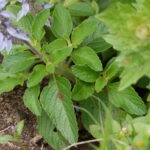
Coleus Forskohlii
Root extract traditionally used for weight management and cardiovascular support.
Coleus forskohlii is a perennial herb in the Lamiaceae family whose thick roots are the primary source of the diterpene forskolin. Traditionally used in Ayurvedic medicine, root extracts are marketed as standardized supplements and have been investigated for potential roles in weight management, cardiovascular support and modulation of intraocular pressure.
Forskolin activates adenylate cyclase, raising cellular cyclic AMP (cAMP), a mechanism explored in laboratory and clinical studies; nevertheless, reported effects and tolerability vary by individual and depend on extract standardization and dose. Standardized root extracts are the usual supplement format, and known contraindications and interactions mean consultation with a healthcare professional is recommended before use.
At a Glance
Coleus forskohlii is a perennial member of the mint family valued for its thick roots, which concentrate the diterpene forskolin. Native to the Indian subcontinent, the plant has a long history of use in traditional Ayurvedic preparations such as decoctions and juices.
Root-derived standardized extracts containing forskolin are used in dietary supplements and have been investigated for effects on weight management, cardiovascular function and intraocular pressure.
| Common name |
|
|---|---|
| Scientific name | Coleus forskohlii |
| Plant family | Lamiaceae |
| Origin | Indian subcontinent |
| Parts used | Root |
| Active compounds | Forskolin |
| Main benefits |
|
| Available forms |
|
Origin & History
Coleus forskohlii is native to the Indian subcontinent and thrives in dry, well‑drained soils. A perennial in the Lamiaceae family, the plant is adapted to warm climates across regions that include Afghanistan, Bangladesh, Bhutan, India, the Maldives, Nepal, Pakistan and Sri Lanka, and it is now also cultivated or naturalized in places such as Egypt, Ethiopia and Brazil.
Used for many centuries in Ayurvedic practice, Coleus forskohlii has a long history as a medicinal root harvested in autumn and prepared as decoctions or fresh juices. In traditional systems it was commonly employed for conditions ranging from circulatory complaints and skin disorders to digestive colic and respiratory problems. Interest in the plant’s root chemistry led to modern development of standardized extracts and ongoing research into the actions of its principal constituent, forskolin, while traditional preparations remain part of cultural herbal practice in its native regions.
Composition & Active Compounds
Coleus forskohlii plants reach about 45–60 cm with teardrop‑shaped leaves often showing purple at the centre and green at the margins; the inflorescence forms a single spiked stem and the roots are thick with a light brown‑golden tint and are the primary material used in herbal preparations. Chemically the plant contains a variety of constituents across leaves, flowers and roots, but the roots are chiefly valued for the diterpene forskolin, a compound that activates adenylate cyclase and raises cellular cyclic AMP (cAMP), a mechanism that has been the focus of laboratory and clinical research. Reported effects and tolerability vary by individual and depend on extract standardization and dose.
Roots are the part most used in supplements and are the principal source of the active diterpene forskolin.
- Forskolin: Diterpene concentrated in the root; activates adenylate cyclase and increases cellular cAMP, a mechanism studied for effects on metabolism, vascular tone and intraocular pressure.

Properties & Effects
In traditional Ayurvedic practice, Coleus forskohlii has been used for a range of conditions and is primarily valued for preparations made from its roots.
Research and traditional use most commonly highlight its role in supporting weight management.
- Weight management: May support weight management and reduction of stored body fat in some individuals.
- Cardiovascular support: May support cardiovascular health by helping to lower blood pressure and reducing the risk of excessive blood clotting in some people.
- Intraocular pressure: Research suggests it may reduce intraocular pressure, a factor relevant to glaucoma.
Dosage & How to Use
No definitive dosing guidelines exist, but standardized root extracts are commonly offered with suggested daily ranges.
| Standardized extract (10% forskolin) |
|
|---|
Safety, Side Effects & Contraindications
Coleus forskohlii should be avoided or used with caution by people in specific clinical situations because its principal constituent can increase gastric acid, lower blood pressure and inhibit platelet aggregation. For this reason, it is not recommended for individuals with active stomach ulcers, those with low blood pressure, people with bleeding disorders, or patients being treated for cardiovascular conditions without medical supervision; pregnant and breastfeeding women are also advised to avoid use.
Reported side effects have been limited in available reports, but individual tolerability varies and adverse effects related to the contraindicated conditions are possible. If there is any uncertainty, discontinue use and consult a healthcare professional before starting supplements containing Coleus forskohlii.
- Stomach ulcers: May increase stomach acid and is not recommended for people with active ulcers.
- Low blood pressure: May reduce blood pressure and is not recommended for people with low blood pressure.
- Bleeding disorders: May inhibit platelet aggregation and is not recommended for people with bleeding disorders.
- Cardiovascular conditions: Use is not recommended for people being treated for cardiovascular disorders without medical supervision.
- Pregnancy and breastfeeding: Not recommended for pregnant or lactating women.
May increase stomach acid, lower blood pressure and inhibit platelet aggregation; avoid if pregnant or breastfeeding. Consult a healthcare professional before use, especially with ulcers, low blood pressure, bleeding disorders or when taking cardiovascular medications.