
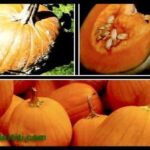
Pumpkin Seed
Antioxidant-rich seed oil traditionally used to support urinary comfort and prostate well-being.
Pumpkin Seed (Cucurbita pepo) seeds, or pepitas, are edible seeds valued both as a food and a herbal ingredient. Native to the Americas and now cultivated worldwide, these seeds and their cold-pressed oil are rich in unsaturated fatty acids (including omega‑6 and omega‑3), tocopherols (forms of vitamin E), phytosterols and minerals such as zinc, attributes that contribute to the oil’s antioxidant properties.
Researchers have investigated pumpkin seed oil for outcomes related to urinary comfort and prostate health, and for metabolic and cardiovascular effects linked to its antioxidant and lipid‑modulating components; many studies have used daily oil doses in the range of 1000–1500 mg. Pumpkin seed is available as whole seeds, cold‑pressed oil or capsules, and individual responses may vary — pregnant or breastfeeding people should seek professional medical advice before using supplements.
At a Glance
Edible seeds of Cucurbita pepo are used both as a food ingredient and as a source of cold-pressed oil for herbal supplements.
They concentrate unsaturated fatty acids, tocopherols and phytosterols and are studied for antioxidant activity and effects on urinary comfort and prostate health.
| Common name |
|
|---|---|
| Scientific name | Cucurbita pepo |
| Classification | Cucurbitaceae |
| Origin | America |
| Parts used | Seeds |
| Active compounds |
|
| Main benefits |
|
| Available forms |
|
Origin & History
Pumpkin Seed (Cucurbita pepo) originates in the Americas, where various forms of this species were domesticated and cultivated. The plant adapts to diverse growing conditions and is now cultivated worldwide, with major production in China, India, Ukraine and the United States.
Across many traditional systems, pumpkin seeds were used as an anthelmintic and employed in remedies for urinary and prostate-related complaints. Historical uses also include preparations for kidney stones, high blood pressure and certain skin conditions; seeds have been valued both as a nutrient-rich food and as a source of cold-pressed oil for culinary and herbal applications.
Composition & Active Compounds
Pumpkin seeds are elongated, beige seeds about 7–20 mm in length; the seeds and their cold‑pressed oil concentrate lipids, fat‑soluble micronutrients and trace minerals. The oil is particularly rich in unsaturated fatty acids, tocopherols (forms of vitamin E), phytosterols and contains provitamin A, B and C vitamins plus minerals such as zinc.
The cold‑pressed seed oil is the part most commonly used in supplements because it concentrates unsaturated fatty acids and tocopherols.
- Unsaturated fatty acids: High proportion of omega‑6 and omega‑3 fatty acids and monounsaturated oleic acid
- Phytosterols: Plant sterols found among the oil’s insaponifiable fraction
- Tocopherols (vitamin E): Natural forms of vitamin E present in the oil
- Provitamin A: Carotenoid precursors
- Vitamins B: B‑group vitamins in seed matrix
- Vitamin C: Water‑soluble antioxidant vitamin
- Zinc: Trace mineral and oligoelement
Related Herbs
Properties & Effects
Pumpkin seed has a long tradition as both a food and a herbal ingredient, commonly used to support urinary comfort and prostate-related complaints. It is also noted for antioxidant activity and has been researched for metabolic and cardiovascular outcomes.
Research has most consistently examined pumpkin seed oil for improving urinary comfort and symptoms related to prostate enlargement.
- Antioxidant: May support protection of cells from oxidative stress.
- Urinary comfort: May help reduce urinary discomfort and improve urinary function.
- Prostate support: May help relieve symptoms associated with prostate enlargement or discomfort.
- Anti-inflammatory: May support reduction of inflammation in relevant tissues.
- Metabolic support: Research suggests possible benefits for blood sugar regulation in animal studies.
- Lipid profile: Research suggests it may help improve blood lipid levels and support cardiovascular health.
Dosage & How to Use
Research studies specify an approximate daily amount for the seed oil used in supplementation.
| Seed oil supplementation |
|
|---|
Safety, Side Effects & Contraindications
Pumpkin seed and its cold‑pressed oil are generally well tolerated and have not been associated with major adverse effects in the available information. The facts indicate no formal contraindications to date, but recommended supplement doses should be respected and individual responses can vary.
No specific medication interactions are listed in the provided facts; however, people with ongoing medical conditions or those taking prescription drugs should consult a healthcare professional before starting supplementation. If any unusual symptoms occur while using pumpkin seed products, discontinue use and seek medical advice.
- Pregnancy & breastfeeding: Pregnant or breastfeeding people should seek advice from a healthcare professional before using pumpkin seed supplements.
Consult a healthcare professional before use, especially if pregnant or breastfeeding or taking prescription medications.