
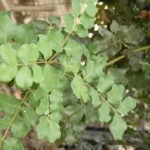
Carob
A fiber-rich Mediterranean pod traditionally used to support healthy cholesterol and digestive comfort.
Carob (Ceratonia siliqua) is the edible pod of a Mediterranean evergreen tree whose dried pulp and seed coat yield two widely used products: a roasted, cocoa‑like powder and a seed‑derived gum (galactomannan, marketed as E410). Both forms are rich in fiber, polyphenols (notably tannins), sugars and minerals, and are used in food, cosmetic and pharmaceutical applications.
Traditionally, carob preparations have been employed for effects described as hypocholesterolemic, hypoglycemic and antidiarrheal, and carob gum is commonly used to reduce infant regurgitation; scientific results vary and individual responses differ. Available formats include bulk powder, capsules and purified gum, and traditional powder dosing is often cited as 20–30 g per day; safety considerations include monitoring blood glucose in people with diabetes and avoiding gum in individuals with anemia.
At a Glance
An evergreen Mediterranean tree produces hard pods whose dried pulp is processed into a cocoa‑like powder and whose seed coat yields a mucilaginous gum used in food and manufacturing. Both powder and gum are rich in fiber, polyphenolic tannins, sugars and mineral elements. These materials are used in culinary, cosmetic and pharmaceutical contexts and have traditional applications for cholesterol management, blood sugar modulation and digestive complaints.
| Common name |
|
|---|---|
| Scientific name | Ceratonia siliqua |
| Plant family | Fabaceae |
| Origin | Mediterranean region |
| Parts used |
|
| Active compounds |
|
| Main benefits |
|
| Available forms |
|
Origin & History
Carob (Ceratonia siliqua) is native to the eastern Mediterranean and Middle East and is now established across southern Europe, North Africa and parts of the Americas, Australia and South Africa. The tree is evergreen and sclerophyllous, tolerant of arid conditions, adaptable to a range of soils except acidic and overly wet ground, and grows naturally on plateaus up to 1700 m; mature trees can reach 7–20 m and live for many decades.
Historically, carob pods were valued across Mediterranean and Middle Eastern cultures as a natural sweetener and food source, and the roasted pulp has long been used as a cocoa alternative. The hard pods yield a sweet, fiber‑rich pulp and a seed coat that provides a galactomannan gum (E410); both powder and gum have been employed in culinary, cosmetic and pharmaceutical contexts and feature in traditional remedies and local diets throughout the region.
Composition & Active Compounds
The carob pod is a hard, elongated legume about 10–20 cm long that ripens to a dark brown or black colour; the pulp is sweet and represents most of the pod weight while the seeds are small and brown and supply a mucilaginous seed coat. Main chemical constituents reported in carob include high levels of sugars (40–60% of pulp), substantial dietary fiber (27–50%), a significant fraction of polyphenolic compounds (including tannins, ~16–20%), various minerals and trace elements, and the carbohydrate derivative d‑pinitol. These constituents help determine carob’s sensory and functional properties in foods and its traditional uses for digestive and metabolic applications, with effects that can vary between individuals.
The pod pulp (processed as powder) and the seed‑derived galactomannan gum are the parts most commonly used in supplements and food applications.
- Phenolic compounds: polyphenols present in the pulp that contribute to antioxidant potential and flavour characteristics
- Dietary fiber: soluble and insoluble fibres that influence texture and digestive bulk
- Tannins: a subgroup of phenolics responsible for astringency and some functional properties
- Sugars: high natural sugar content in the pulp providing sweetness and caloric value
- D-pinitol: a carbohydrate derivative found in the pulp associated with effects on glucose metabolism
- Galactomannan (carob gum): a seed‑coat mucilage used as a thickener, stabilizer and dietary fibre source

Properties & Effects
Carob is traditionally used for digestive and metabolic concerns, with different preparations (powder and gum) employed in both food and therapeutic contexts. Uses reported in the literature and folk practice focus on lipid and glucose regulation plus management of certain digestive complaints.
Research suggests carob powder may reduce total and LDL cholesterol when included in the diet.
- Hypocholesterolemic: Research suggests carob may help lower total and LDL cholesterol and support a healthier blood lipid profile.
- Hypoglycemic: Carob preparations have been used to help moderate blood sugar and may support glucose control in some individuals.
- Antidiarrheal: Traditionally used to shorten the duration of diarrhoea, with studies supporting benefit in infants and children in some cases.
- Reduces infant regurgitation: Carob gum has been used in clinical settings to reduce the frequency and volume of regurgitation in infants.
- Appetite suppression: Carob gum taken before meals may act as a short‑term appetite suppressant for some people.
Dosage & How to Use
Traditional dosing guidance for carob products is summarized below; follow product labels and professional advice for specific use.
| Daily powder dose |
|
|---|---|
| Diarrhea |
|
| Cholesterol reduction |
|
| Appetite suppression |
|
Safety, Side Effects & Contraindications
Clinical studies reported no identified adverse effects for carob preparations and the ingredient is generally well tolerated; however, individual responses can vary and product quality or dose may influence tolerability. Carob contains d-pinitol, a constituent that can increase insulin sensitivity, so people with diabetes should monitor blood glucose regularly if using carob and discuss use with a healthcare professional.
Precautions are appropriate for specific populations: the seed-derived gum is singled out in sources as unsuitable for some conditions, and carob’s effects on glucose handling suggest possible interactions with antidiabetic therapies that warrant caution and close monitoring.
- Diabetes: may increase insulin sensitivity; monitor blood glucose regularly and consult a clinician before use.
- Anemia: carob gum should be avoided in people with anemia.
Consult a healthcare professional before use; carob contains d-pinitol which may affect blood glucose and should be used cautiously by people with diabetes, and carob gum is not recommended for individuals with anemia.