
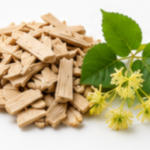
Linden Sapwood
A traditional depurative supporting liver and urinary cleansing.
Linden Sapwood is the soft, yellow inner wood of Tilia species (including Tilia cordata, Tilia sylvestris and Tilia europaea) used in traditional European herbalism as a depurative. It is reported to promote digestive comfort by supporting bile secretion and evacuation (coleretic and colagogue actions) and is also used as a renal depurant and urinary drain to assist elimination of metabolic residues.
Active constituents include phenolic acids, coumarins (such as esculoside and fraxoside) and tannins; the material is supplied as sticks, powders and dry or fluid extracts. Typical supplemental extracts have been used in ranges around 600–1800 mg per day in formulations and studies, but effects and tolerability vary between individuals. Safety data are limited for pregnant or breastfeeding people and children; rare adverse observations have included kidney pain, and professional medical advice is recommended before therapeutic use while maintaining adequate hydration during treatment.
At a Glance
Linden Sapwood is the soft yellow inner wood of several Tilia species traditionally used in European herbalism as a cleansing plant for the liver and urinary tract. It contains phenolic acids, coumarins (notably esculoside and fraxoside) and tannins and is supplied as sticks, powder and dry or fluid extracts.
| Common name |
|
|---|---|
| Scientific name |
|
| Plant family | Tiliaceae |
| Origin |
|
| Parts used | Sapwood |
| Active compounds |
|
| Main benefits |
|
| Available forms |
|
Origin & History
Linden Sapwood comes from several Tilia species native to Europe and Asia Minor and is the pale, soft wood found between bark and heartwood. These lime trees occupy temperate woodlands and are widely planted as ornamentals in parks and along roads; the sapwood is collected from trunks and processed into sticks, powders or extracts.
Different parts of the lime tree have long been used across cultures: flowers are classically valued for their calming preparations, while the sapwood has featured in European herbal practice as a cleansing material for the liver and urinary tract. In the early 20th century a retired teacher reportedly observed that an infusion of tilo bark produced benefits for the urinary tract, which helped draw attention to the therapeutic potential of the tree’s wood and bark. Uses and effects may vary between individuals, and traditional applications do not substitute for professional medical advice.
Composition & Active Compounds
The sapwood of Tilia species is a soft, pale yellow inner layer found between bark and heartwood, commonly processed into sticks, powders and extracts for herbal use. Chemically it contains phenolic acids, coumarins (including esculoside and fraxoside), tannins, amino acids and mineral salts; these constituents are the main markers used to characterize Linden Sapwood preparations.
The sapwood is the primary part used in supplements and concentrates the listed active compounds.
- Phenolic acids: plant-derived polyphenols present in the wood matrix.
- Coumarins (esculoside, fraxoside): coumarin glycosides identified in Tilia sapwood.
- Tannins: astringent polyphenolic compounds occurring in the sapwood.
- Amino acids: basic organic compounds found in plant tissue.
- Mineral salts: inorganic elements and salts present in the plant material.
Properties & Effects
Traditionally, Linden Sapwood is known as a cleansing herbal material used in European practice to support liver, urinary and digestive function. Uses and effects may vary by individual and should not be taken as medical advice.
The most documented use is as a depurative to support cleansing of the liver and urinary system.
- Depurative cleansing: may support the elimination of metabolic residues and overall internal cleansing.
- Digestive comfort: may support relief from digestive discomfort and improve general digestive comfort.
- Renal and urinary drainage: traditionally used to support kidney function and urinary tract drainage.
- Gallstone support: traditionally used to help prevent or manage gallstone-related concerns in some herbal systems.
- Uric acid management: has been used to assist reduction of uric acid accumulation related to gout and some kidney stone contexts.
- Cardiovascular support: reports indicate possible mild effects on circulation, including modest blood‑pressure lowering in some cases.
Dosage & How to Use
General dosage guidance for Linden Sapwood is limited and traditionally based rather than standardized.
| Dry extract |
|
|---|
Safety, Side Effects & Contraindications
Safety data for Linden Sapwood are limited; pregnant and breastfeeding people and children lack sufficient evidence for routine use and are generally advised not to begin treatment without medical guidance. People receiving treatment for gallstones or high blood pressure should consult a health professional first because Linden Sapwood has been associated with mild blood‑pressure effects and may interact with existing therapies.
Reported side effects are uncommon but have included kidney pain in some cases, and the material may tend to promote dehydration during treatment, so maintaining adequate fluid intake is important. Effects and tolerability vary between individuals; stop use and seek medical advice if adverse symptoms occur or if there are concerns about interactions with medications.
- Pregnancy and breastfeeding: insufficient safety data; avoid starting treatment without medical advice.
- Children: not recommended to begin treatment without professional guidance.
- Gallstones or blood pressure treatment: consult a healthcare professional before use if undergoing therapy for gallstones or hypertension.
- Hydration: may tend to dehydrate; maintain adequate fluid intake during use.
- Kidney pain: cases of kidney pain have been reported; seek medical advice if this occurs.
Consult a healthcare professional before use, especially if pregnant, breastfeeding, treating gallstones or high blood pressure; limited safety data and potential interactions have been reported.