
Spirulina
Nutrient-dense microalga that supports energy and antioxidant nourishment.
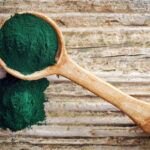
Spirulina is a blue‑green microalga (cyanobacterium) historically harvested in Chad and Mexico and now produced worldwide. It is nutrient-dense, providing a high proportion of protein (55–70% of dry weight), essential amino acids, vitamins, minerals and pigments such as phycocyanin and chlorophyll; it is commonly available as powder, tablets, capsules or granules.
Research and traditional use associate spirulina with support for energy and vitality, antioxidant activity, sports nutrition and allergic conditions, though effects vary between individuals and studies. Typical oral doses are 3–5 g/day, with progressive increases up to about 10 g/day reported in athletic contexts; mild gastrointestinal upset or headaches can occur and spirulina is contraindicated in phenylketonuria. It is not a reliable substitute for animal-derived vitamin B12 in strict vegan diets, and selecting quality-controlled products helps reduce contamination risks.
At a Glance
Spirulina is a blue‑green cyanobacterium cultivated historically in Chad and Mexico and now produced commercially worldwide. It contains a high concentration of protein, pigments (phycocyanin and chlorophyll), vitamins, minerals and antioxidant enzymes.
Used as a dietary supplement, spirulina is commonly taken for energy, antioxidant support and to assist exercise performance, though individual responses and product composition vary.
| Common name |
|
|---|---|
| Scientific name |
|
| Plant family | Spirulinaceae |
| Origin |
|
| Parts used | Whole biomass |
| Active compounds |
|
| Main benefits |
|
| Available forms |
|
Origin & History
Spirulina is a very old cyanobacterium in the genus Arthrospira (commonly called spirulina) with two principal genetic types linked to Mexico (Spirulina maxima) and Chad (Spirulina platensis). It naturally inhabits tropical and subtropical alkaline lakes and ponds with warm, oxygenated water and abundant sunlight; optimal conditions are alkaline waters (pH about 8.5–11) where few competing microbes thrive.
The Aztecs harvested spirulina from Lake Texcoco (called tecuitlathl) and the Kanembu people collected it from Lake Chad as a traditional, nutrient-rich food. Over centuries these local uses persisted, and in modern times cultivation moved from wild harvests to controlled, commercial production to meet global demand while aiming to maintain product purity and nutritional quality.
Composition & Active Compounds
Spirulina appears as blue‑green filamentous trichomes that often form spiral or linear threads; its fragile cell wall makes the biomass highly digestible. Chemically it is a concentrated nutrient matrix: very high protein (roughly 55–70% dry weight), moderate lipids and carbohydrates, a wide spectrum of vitamins and minerals, antioxidant pigments (phycocyanin and chlorophyll A) and enzymatic antioxidants such as superoxide dismutase.
Phycocyanin is a signature pigment commonly cited as a key active constituent in spirulina supplements.
- Proteins: high total protein content with all essential amino acids.
- Lipids: low fraction of total weight including palmitic acid, linoleic acid and gamma‑linolenic acid.
- Carbohydrates: structural and storage carbohydrates forming part of the dry biomass.
- Phycocyanin (ficocianina): blue pigment and bioactive phycobiliprotein present in the biomass.
- Chlorophyll A: green photosynthetic pigment associated with the algal cells.
- Beta‑carotene: pro‑vitamin A carotenoid and antioxidant pigment.
- Superoxide dismutase (SOD): endogenous antioxidant enzyme found in the biomass.
- Vitamins: multiple B vitamins (B1, B2, B3, B5, B6, B8, B9), pro‑vitamin A, vitamin D, vitamin E and vitamin K are present.
- Minerals and trace elements: calcium, phosphorus, potassium, magnesium, iron, zinc, selenium, copper, chromium, manganese, sodium and iodine.
Related Herbs
Properties & Effects
Spirulina is traditionally used as a nutrient-dense supplement associated with improved energy, antioxidant support and benefits for exercise and allergic conditions.
Research and traditional use most consistently note spirulina’s antioxidant properties.
- Antifatigue: May support reduced tiredness and improved energy and concentration in people with low nutrient intake.
- Exercise performance: Research suggests it may help endurance, support recovery and lessen muscle fatigue during physical activity.
- Antioxidant: May support the body’s antioxidant defenses and protection against oxidative stress.
- Antiallergic: Some studies suggest it may reduce symptoms of allergic conditions such as allergic rhinitis and atopic eczema in susceptible individuals.
- Veterinary support: Traditionally used in animal feeding to support coat quality, immune resilience and general wellbeing.
Dosage & How to Use
Typical oral dosing of spirulina varies by context and individual needs.
| General supplementation | 3–5 g/day |
|---|---|
| Athletes | Progressive increase up to 10 g/day |
| Allergic rhinitis |
|
Safety, Side Effects & Contraindications
Spirulina is contraindicated in people with phenylketonuria and should be avoided by anyone with that condition. Individuals with chronic health conditions or those taking prescription medicines are advised to consult a healthcare professional before starting supplementation.
Spirulina is generally well tolerated but can cause mild gastrointestinal discomfort and headaches in some people; beginning with a low dose and increasing gradually can help reduce these effects. Selecting products from reputable manufacturers and quality‑controlled sources helps minimise the risk of contamination and variable composition.
- Phenylketonuria: Spirulina is contraindicated in people with phenylketonuria.
Avoid spirulina if you have phenylketonuria; consult a healthcare professional before use if you have chronic health conditions, take medications, or are unsure about product quality.