
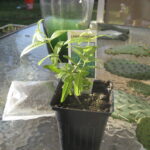
Lemon Verbena
A lemon-scented aromatic used to promote relaxation and purify indoor air.
Lemon Verbena (Litsea cubeba) is a fast‑growing aromatic shrub in the laurel family native to Southeast Asia. The pale‑yellow essential oil is obtained mainly by steam distillation of ripe berries, leaves and roots and is rich in monoterpenes and aromatic aldehydes such as citral, citronellol and geraniol. Valued in aromatherapy and perfumery, the oil’s fresh lemon fragrance has been studied for relaxing, antistress and antimicrobial properties and is commonly used in diffusion and topical blends; reported effects may vary by individual.
Safety notes: essential oil of Lemon Verbena is concentrated and can irritate the skin if used undiluted. Topical dilution guidance commonly used is, in 5 ml carrier oil, 1–5 drops for children aged 3–12 and about 10 drops for those 13 and older; for diffusion, 5–10 drops is typical. The oil is contraindicated in children under 3 years and in pregnancy or breastfeeding; perform a patch test before use and discontinue if irritation occurs. This information is educational and not a substitute for professional medical advice—consult a qualified health professional for individualized guidance.
At a Glance
Lemon Verbena is an aromatic shrub in the laurel family native to Southeast Asia that yields a pale-yellow essential oil distilled mainly from ripe berries, leaves and roots. The oil’s fresh lemon aroma is commonly used in aromatherapy and topical preparations and has been studied for relaxing, antibacterial and purifying properties.
| Common name |
|
|---|---|
| Scientific name | Litsea cubeba |
| Plant family | Lauraceae |
| Origin | Southeast Asia |
| Parts used |
|
| Active compounds |
|
| Main benefits |
|
| Available forms |
|
Origin & History
Lemon Verbena (Litsea cubeba) is native to Southeast Asia and thrives in tropical and subtropical environments such as moist woodlands, mountain slopes and river margins. The shrub grows rapidly and produces small pepper‑like berries; ripe fruits, leaves and roots are harvested and the essential oil is commonly obtained by steam distillation, with China among the main producers and exporters.
Used in traditional systems for its aromatic qualities, the plant has long been valued in aromatherapy, perfumery and as a culinary flavoring and preservative across the region. In China the species has been used as a culinary and aromatic ingredient and is sometimes referred to locally as “Sichuan pepper” for its distinctive peppery lemon scent. Historically it also found roles in cosmetics, incense and as an insecticidal or antimicrobial agent in folk practice; reported uses vary by culture and region.
Composition & Active Compounds
Lemon Verbena is an evergreen shrub that can reach several metres in height; it has elongated glossy leaves with a pronounced lemon fragrance and small pepper‑like berries that are steam‑distilled to yield a pale‑yellow essential oil. The oil and plant material contain a complex mix of volatile constituents—primarily monoterpenes, phenolic compounds, sesquiterpenes and aromatic aldehydes—which give the herb its characteristic aroma and underlie the effects reported in aromatic and topical applications. The essential oil produced from ripe berries is the primary form used in preparations and typically contains high levels of the aromatic aldehyde citral.
- Citral: aromatic aldehyde responsible for the fresh lemon scent, often a major constituent
- Citronellol: monoterpene alcohol with a floral‑citrus aroma
- Geraniol: monoterpene alcohol with a rosy, sweet fragrance
- Limonene: monoterpene with bright citrus notes
- Linalool: monoterpene alcohol with a soft floral scent
- Eugenol: phenolic compound with spicy, clove‑like aroma
- β‑Caryophyllene: sesquiterpene with woody, spicy character
Related Herbs
Properties & Effects
Lemon Verbena is traditionally known for its bright lemon fragrance and is used in aromatherapy, perfumery and topical preparations. It has a history of use for relaxation, air purification and as an antimicrobial agent in various cultural practices.
The most well‑documented property is its antistress aroma, which is traditionally used to support relaxation.
- Antistress: Research suggests the herb’s aroma may support relaxation and help ease feelings of stress or restless sleep.
- Antibacterial: Research suggests the essential oil may support control of certain bacteria and has been studied for activity against Escherichia coli.
- Antifungal: Studies indicate the essential oil may support control of some fungi and has shown fungicidal activity in laboratory tests.
- Purifying: Traditionally used in diffusion to help purify indoor air and as an antiseptic in household applications.
Dosage & How to Use
Follow dilution guidance and safety precautions when using Lemon Verbena essential oil; doses vary by application and age.
| Topical (cutaneous) |
|
|---|---|
| Diffusion |
|
Safety, Side Effects & Contraindications
Lemon Verbena essential oil is not appropriate for everyone: it is contraindicated in children under 3 years and in women who are pregnant or breastfeeding, and people receiving long‑term medical treatment are advised to consult a qualified health professional before use. Essential oils are highly concentrated and can interact with medical treatments or increase sensitivity in some individuals, so caution is recommended.
Known side effects include skin irritation and allergic reactions when the oil is used undiluted; a patch test is recommended before topical use and the product should be discontinued if irritation occurs. Individual responses vary, so seek personalised advice from a healthcare professional if there is any uncertainty about safety or interactions.
- Children under 3 years: contraindicated for use of the essential oil in this age group.
- Pregnancy and breastfeeding: contraindicated during pregnancy and lactation.
- Medical treatment: consult a qualified health professional if using prolonged or ongoing medications.
- Skin sensitivity: perform a patch test (apply two drops) before topical use and discontinue if irritation occurs.
Not recommended for children under 3 or during pregnancy and breastfeeding; consult a healthcare professional before use, especially if taking long-term medications or if skin sensitivity is a concern.