
White Willow
A traditional herb used for menstrual cycle balance and premenstrual support.
White Willow is a Mediterranean medicinal shrub with a long history of traditional use. Its small, pepper‑scented berries have been used since antiquity and are noted for containing labdane diterpenes and other active compounds that have been investigated for effects on hormonal activity.
Historically recommended by Hippocrates to help regulate menstruation, the plant is commonly cited in herbal approaches to premenstrual symptoms. Research has examined constituents such as rotundifuran for potential influence on progesterone and prolactin, but uses and effects vary by individual and should be considered with appropriate medical oversight.
At a Glance
A Mediterranean shrub long used in traditional herbal medicine, White Willow is primarily represented in herbal pharmacopoeias for its dried berries.
The dried fruits are the principal part used and contain labdane diterpenes, iridoids and flavonoids that have been studied for effects on reproductive hormones. Uses and effects vary by individual and medical supervision is advised.
| Common name |
|
|---|---|
| Scientific name | Vitex agnus-castus |
| Plant family | Verbenaceae |
| Origin | Mediterranean region |
| Parts used | Fruits (berries) |
| Active compounds |
|
| Main benefits |
|
| Available forms |
|
Origin & History
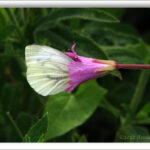
White Willow originates from the Mediterranean region and typically grows in moist environments such as riverbanks, springs, marshes and coastal wetlands. The shrub reaches one to two metres in height, with flexible, hairy branches, lance‑shaped leaves and clusters of violet‑blue flowers that develop into small pepper‑scented drupes.
Used since antiquity across Mediterranean cultures, White Willow has a long record in folk and monastic traditions for women’s health and reproductive concerns. Ancient sources note its use in regulating menstruation, and legend holds that monastic communities chewed the fruits to curb sexual desire, giving rise to names like monk’s pepper and chaste tree. Over centuries the plant has been incorporated into traditional remedies and remains a subject of ethnobotanical interest, with more recent research examining its active constituents and potential effects.
Composition & Active Compounds
White Willow is a woody Mediterranean shrub reaching about one to two metres with flexible, hairy branches, lance‑shaped leaves that are pale and downy beneath, clusters of violet‑blue flowers and small black‑red drupes that smell and taste slightly peppery. Its chemical profile is characterised by labdane diterpenes, iridoids, flavonoids, steroids and alkaloids, with minor essential oil components; these constituents are the focus of phytochemical and pharmacological research because of their interactions with biochemical pathways related to reproductive hormones.
The dried fruits (berries) are the principal part used in supplements and are the main source of labdane diterpenes.
- rotundifuran: a labdane diterpene investigated for potential influence on progesterone and prolactin secretion
- vitexilactone: a labdane diterpene found alongside rotundifuran in extracts
- aucuboside: an iridoid glycoside present in the fruits
- agnuside: an iridoid associated with the plant’s bioactive profile
- casticin: a flavonoid compound occurring in the plant
- vitexin: a flavonoid found in the species
- steroids: plant steroids and related sterols present in extracts
- alkaloids: nitrogenous compounds detected in the plant
- α-pinene: an essential oil component contributing to aroma
- limonene: an essential oil component contributing to aroma
Properties & Effects
Traditionally used as a hormonal regulator, White Willow has been applied in herbal practice to address menstrual and reproductive concerns. Uses and effects vary by individual and should be considered alongside professional medical advice.
Clinical authorities have most consistently recognised its use for relieving premenstrual symptoms.
- Hormone regulation: may support balance of certain reproductive hormones and related cycle processes.
- Premenstrual symptom relief: may support reduction of common premenstrual symptoms such as mood changes and breast discomfort.
- Menstrual cycle regulation: may help promote more regular menstruation in some individuals.
- Fertility and menopausal symptoms (investigational): research suggests potential benefits for some fertility concerns and for symptoms around premenopause and menopause, but evidence is still emerging.
Dosage & How to Use
Follow established extract dosing when using supplements; formulations and active content vary by product.
| Dry extract (EMA recommendation) | 20 mg daily |
|---|
Safety, Side Effects & Contraindications
Certain groups should avoid using White Willow unless supervised by a healthcare professional: pregnant and breastfeeding people, children and adolescents under eighteen, individuals with a personal or family history of breast cancer, and those with pituitary gland disorders. The plant’s constituents can influence hormone-related pathways, so it may interfere with fertility protocols such as in vitro fertilization and with treatments that involve pituitary or reproductive hormones; discuss use with a clinician before starting.
Major adverse effects have not been commonly reported, but some users may experience digestive upset, dizziness, headache, acne or allergic reactions such as itching and swelling. Because the herb contains active constituents that affect hormonal activity, medical supervision is recommended and a prescriber should be consulted about possible interactions with other therapies or existing health conditions.
- Pregnancy and breastfeeding: contraindicated as a precaution.
- Children and adolescents: not recommended for people under eighteen years of age.
- Breast cancer (personal or family history): avoid use if there is a predisposition or prior diagnosis.
- Pituitary disorders: use only with medical supervision.
- In vitro fertilization (IVF): contraindicated for women who have begun an IVF protocol.
Avoid use in pregnancy or breastfeeding, in people under 18, or with a personal/family history of breast cancer or pituitary disorders; consult a healthcare professional before use.