
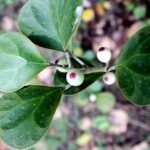
Cherry Stems
A traditional draining herb used to support fluid balance.
Cherry Stems are the dried peduncles of sour cherry (Prunus cerasus), traditionally used for their draining and detoxifying reputation. The small green-to-brown stalks contain potassium salts and polyphenols (including flavonoids and tannins), constituents that are associated with diuretic, antioxidant and anti-inflammatory activity in phytotherapy.
Sold whole for infusions or ground into powder for supplements, cherry stems are employed in formulations aimed at easing water retention and supporting urinary tract health, though composition can vary by cherry species. Uses and effects may vary by individual; pregnant or breastfeeding people are advised to consult a healthcare professional and to follow recommended dosages when using supplements.
At a Glance
A traditional herbal ingredient prepared from the dried peduncles of sour cherry fruit used in phytotherapy. It is noted for potassium salts and polyphenols and is commonly associated with draining and diuretic activity. Sold whole for infusion or processed into powders and capsules for supplement use.
| Common name | Cherry Stems, Sour cherry stems |
|---|---|
| Scientific name | Prunus cerasus, Cerasus Vulgaris |
| Plant family | Rosaceae |
| Origin | Europe and Southwest Asia |
| Parts used | Peduncle (cherry stem) |
| Active compounds |
|
| Main benefits |
|
| Available forms |
|
Origin & History
Cherry stems come from the sour cherry (Prunus cerasus), a shrub native to Europe and Southwest Asia that now grows across the temperate Northern Hemisphere. The plant is commonly found at sunny margins of woodlands, hedgerows and uncultivated land and is cultivated in many regions for its fruit; wild populations extend from the south of the Caspian Sea to the northern Balkans and the species can grow up to about 1700 metres above sea level.
Cherry stems have been used for centuries in traditional preparations and were already recommended in medieval Europe for their depurative and diuretic reputation. Historically the fruit of the sour cherry has been valued in cooking and liqueur-making, while the small stalks have been dried for infusions and folk remedies; these traditional uses informed later herbal applications and the development of powdered and extract forms for modern supplements.
Composition & Active Compounds
Cherry stems are the slender peduncles of sour cherry fruit, typically about 4 cm long and green to brown when dried, with a bitter, astringent flavor; they are sold whole for infusions or milled into powder for supplement use. Potassium salts are widely regarded as the primary contributors to the stems’ traditional draining and diuretic reputation. The main chemical constituents include potassium salts, polyphenols (notably flavonoids and tannins), mucilages and organic acids such as malic and citric acid.
- Potassium salts: Mineral salts associated with the plant’s traditional draining and diuretic reputation.
- Polyphenols (flavonoids, tannins, chalcones, flavanones): Antioxidant and anti-inflammatory constituents.
- Mucilages: Polysaccharide compounds contributing to texture and soluble extractables.
- Organic acids (malic acid, citric acid): Acids contributing to astringent taste and overall chemical profile.
Related Herbs
Properties & Effects
Cherry stems are traditionally regarded as a draining herbal ingredient used to support bodily detoxification and fluid balance. They are most widely noted for their diuretic (draining) reputation. Uses and effects may vary by individual.
- Diuretic: May support increased urine production and help reduce water retention.
- Depurative (detoxifying): May support elimination of metabolic residues and general cleansing processes.
- Antioxidant: May support reduction of oxidative stress by neutralizing free radicals.
- Anti-inflammatory: May support reduced inflammation in affected tissues.
- Urinary tract support: Traditionally used to support urinary tract health and has been studied for bladder inflammation.
Dosage & How to Use
Dosing guidance varies depending on whether cherry stem powder is used alone or combined with other extracts.
| Alone |
|
|---|---|
| Combined with other extracts | Consult the dosage proposed by the manufacturer |
Safety, Side Effects & Contraindications
Cherry stems are generally considered well tolerated and no major adverse effects have been reported in the available information; however, individuals may respond differently and it is advisable to respect recommended dosages when using concentrated preparations or supplements. Reported safety data are limited, so monitoring for unexpected reactions is prudent when first trying the herb.
There are no specific drug interactions listed in the provided facts, but people with medical conditions or those taking prescription medicines should consult a healthcare professional before use. Uses and effects may vary by individual, and professional advice is recommended for personalized guidance.
- Pregnancy and breastfeeding: Pregnant or breastfeeding people should consult a healthcare professional before using cherry stems.
Consult a healthcare professional before use, especially if pregnant, breastfeeding, or taking medications.