Red Yeast Rice
A traditional fermented ingredient used to support healthy cholesterol levels.
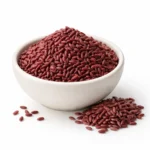
Red Yeast Rice is a red powder produced by fermenting rice with the fungus Monascus purpureus. Widely used in China as a natural food colorant, flavor enhancer and a traditional remedy, the product contains monacolins—most notably monacolin K—compounds structurally similar to statin drugs. As a dietary supplement, preparations of red yeast rice are promoted for cholesterol and lipid management, though effects and responses can vary between individuals.
Safety and composition vary by product; common constituents also include starches, fatty acids, phytosterols and isoflavones. Because monacolins act like statins, reported adverse effects include gastrointestinal symptoms and, in some people, muscle or liver reactions. Contraindications and cautions include pregnancy and breastfeeding, children and adolescents, older adults, untreated hypothyroidism, significant liver or kidney disease, alcohol dependence, and concurrent prescription lipid‑lowering therapy; grapefruit consumption can increase monacolin blood levels. Product labels and monacolin content differ—regulatory guidance limits monacolin exposure to under 3 mg per daily intake—so medical supervision is recommended before starting supplementation.
At a Glance
A traditional Asian ingredient, red yeast rice is produced by fermenting rice with the fungus Monascus purpureus and yields a red powder used historically as a colorant, flavoring agent and in herbal preparations.
It contains monacolins, notably monacolin K, natural compounds structurally similar to statins that are associated with cholesterol- and lipid‑lowering activity. Composition and potency vary by product, and safety considerations such as potential gastrointestinal, muscular or hepatic reactions and regulatory limits on monacolin content should guide use.
| Common name |
|
|---|---|
| Scientific name | Monascus purpureus |
| Classification | Monascaceae |
| Origin | China |
| Parts used | Entire fermented rice |
| Active compounds |
|
| Main benefits |
|
| Available forms |
|
Origin & History
Red Yeast Rice originates from China and is produced by deliberately fermenting rice with the fungus Monascus purpureus. The fungus is cultivated on cooked rice, where it develops red pigments and bioactive components; the finished material is dried and milled into a red powder used both as an ingredient and as a remedy in traditional practice.
Historically, red yeast rice has been used across East Asia as a natural food colorant and flavoring and is recorded in Chinese medical texts, where it was recommended for improving circulation and for certain digestive complaints. Widely used in culinary and cultural contexts, the fermented rice also became part of the traditional pharmacopeia and later attracted scientific and commercial interest beyond Asia, leading to its use in modern supplements and food products.
Composition & Active Compounds
Red Yeast Rice appears as a red to reddish-brown powdered material produced by fermenting rice with the fungus Monascus purpureus; the powder contains fungal pigments and a mix of rice-derived constituents. Main chemical constituents include monacolins (a group of statin-like compounds) with monacolin K as a prominent member, plus starch, fatty acids, phytosterols and isoflavones, which together define the product’s biochemical profile and relevance in supplements.
Monacolin K is the most important compound in red yeast rice and is the principal monacolin present in supplement preparations.
- Monacolins: group of statin-like molecules produced during fermentation.
- Monacolin K: the primary monacolin most often cited for cholesterol- and lipid‑related activity.
- Starch: carbohydrate matrix derived from the rice substrate.
- Fatty acids: lipid components present in the fermented material.
- Phytosterols: plant sterols found in the product.
- Isoflavones: plant-derived compounds present in small amounts.
Related Herbs
Properties & Effects
Red yeast rice is traditionally known for uses related to cardiovascular health and some digestive complaints, as well as for culinary applications in East Asia. Historical and modern sources associate it primarily with effects on blood lipids and occasional use for circulation and digestion.
The most well-documented effect is support for lowering cholesterol levels in some people.
- Cholesterol-lowering: Research suggests it may support reductions in total and LDL cholesterol in some individuals.
- Lipid-lowering: Studies indicate it may support decreases in blood triglyceride levels for some users.
- Circulation support: Traditionally used to improve circulation and related cardiovascular comfort.
- Digestive support: Traditionally used to help relieve certain gastrointestinal complaints such as diarrhea.
Dosage & How to Use
Dosage depends on product composition and monacolin content; check supplement labels and consult a healthcare professional before use.
| Hypercholesterolemia | Monacolins less than 3 mg daily (regulatory limit) |
|---|---|
| Hyperlipidemia | Monacolins less than 3 mg daily (regulatory limit) |
Safety, Side Effects & Contraindications
Certain people should avoid red yeast rice without medical authorization: pregnant or breastfeeding individuals, children and adolescents, and people over 70 years of age. It is also not recommended for people with alcohol dependence or those who have significant kidney disease, muscle disorders, liver problems, or untreated hypothyroidism. Red yeast rice can interact with prescription lipid‑lowering medications and with grapefruit products, which may increase monacolin blood levels.
Reported side effects include gastrointestinal symptoms such as nausea, flatulence, diarrhea or constipation. Some individuals have experienced muscle or liver-related reactions, and intolerance to statin-like compounds may occur in susceptible people, so medical supervision is advised before starting or combining red yeast rice with other treatments and if adverse symptoms develop.
- Pregnancy and breastfeeding: use is contraindicated without medical authorization.
- Children and adolescents: use is contraindicated without medical authorization.
- Adults over 70: use is contraindicated without medical authorization.
- Alcohol dependence: not recommended.
- Renal insufficiency: not recommended.
- Muscle disorders: not recommended.
- Liver problems: not recommended.
- Untreated hypothyroidism: not recommended.
- Concurrent prescription lipid-lowering therapy: avoid combining without a doctor's approval.
- Grapefruit consumption: grapefruit, juice or syrup can increase monacolin levels and is not recommended together with red yeast rice.
May interact with prescription lipid‑lowering drugs and grapefruit and is not recommended in pregnancy, breastfeeding, or with significant liver or kidney disease; consult a healthcare professional before use.