
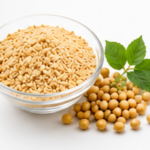
Soy Lecithin
A phospholipid-rich extract that supports memory and healthy lipid handling.
Soy lecithin is a phospholipid-rich extract obtained from soybean seeds and produced as a byproduct of soybean oil processing (cold pressing and decantation). It contains key constituents such as phospholipids, choline and inositol, and may also include vitamin E and linolenic acid; these components give it functional roles in cell membrane structure and lipid handling.
Commonly available in capsules or tablets, soy lecithin is used in dietary supplements for support of memory, cardiovascular health and immune function. Typical supplemental doses range from 150 to 200 mg per day divided into three doses with food, but individual responses vary; people with soy allergy, those on hormone replacement therapy, and pregnant or breastfeeding individuals should seek professional advice before use.
At a Glance
A phospholipid-rich extract derived from processing soybean seeds, soy lecithin is produced as a byproduct of soybean oil extraction and is used in supplements and food formulations. It supplies key membrane components such as phospholipids, choline and inositol, and may contain vitamin E and linolenic acid.
| Common name |
|
|---|---|
| Scientific name | Phosphatidylcholine |
| Classification | Fabaceae |
| Origin |
|
| Parts used | Seeds |
| Active compounds |
|
| Main benefits |
|
| Available forms |
|
Origin & History
Soy lecithin is obtained from soybean seeds and takes its name from lecithin first identified in egg yolk; similar phospholipids were later found in various plant oils, including soybean oil. Soybeans originated in East Asia and are now cultivated widely; the crop grows best in warm, humid regions with slightly moist, organic-rich soils and commonly forms a symbiotic relationship with nitrogen-fixing bacteria such as Bradyrhizobium.
In many East Asian food traditions, soy and soybean-derived products have long served as staple foods and cultural ingredients. Over time soy and its extracts, including lecithin, have been incorporated into a range of culinary and industrial uses and are produced at scale in major agricultural regions such as the United States, Brazil and Argentina.
Composition & Active Compounds
Soy lecithin typically appears as a pale yellow to amber viscous liquid or as a powdered/granular ingredient when prepared for supplements; it is composed mainly of phospholipids and contains choline, inositol, linolenic acid and vitamin E. These constituents are notable for roles in membrane structure and lipid handling, cellular signaling and antioxidant activity.
Phospholipids are the principal active fraction in soy lecithin and the main functional component found in supplement preparations.
- Phospholipids: structural lipids that form cell membranes and act as emulsifiers
- Choline: an essential nutrient involved in cellular signaling and neurotransmitter synthesis
- Inositol: a sugar‑like compound (listed in the facts as vitamin B7) involved in cell signaling
- Linolenic acid: an unsaturated fatty acid present in the lipid fraction
- Vitamin E: a fat‑soluble antioxidant found alongside phospholipids
Related Herbs

Properties & Effects
Soy lecithin is traditionally used as a dietary supplement and food ingredient noted for supporting cellular membrane function and general lipid metabolism. It is commonly associated with effects on cognition, cardiovascular health and immune support in traditional and research contexts.
Research and traditional use most consistently link soy lecithin to support for memory and concentration in some people.
- Memory support: research suggests it may support memory and concentration in some individuals.
- Cardiovascular support: it may support healthy cardiovascular function and the handling of dietary fats.
- Immune support: it may help modulate aspects of immune cell performance.
- Antioxidant support: it may contribute antioxidant effects that support cellular wellbeing.
Dosage & How to Use
Typical supplemental dosing and administration guidance from the provided facts are shown below.
| Capsules or tablets |
|
|---|
Safety, Side Effects & Contraindications
Some individuals are advised to avoid soy lecithin or consult a healthcare professional before use, particularly those with known soy allergy, people receiving hormone replacement therapy, pregnant or breastfeeding women, and women with a risk of or history of breast cancer; interactions with hormone-related treatments are specifically noted. People with significant allergies or those on hormone replacement treatment are generally advised not to use soy-based supplements without professional guidance.
Reported side effects are generally mild and may include gastrointestinal disturbances such as nausea or constipation when consumed in excess, and skin reactions like redness or itching in people with soy sensitivity. As with any supplement, individual responses vary; discontinue use and seek medical advice if adverse effects occur or if taking concurrent medications or treatments.
- Allergy: People with a history of significant soy allergy should consult a healthcare professional before use.
- Hormone replacement therapy: People on hormone replacement treatment are generally advised not to take soy-based supplements.
- Pregnancy and breastfeeding: Use is not recommended for pregnant or breastfeeding women.
- Breast cancer risk/history: Not recommended for women with risk factors for or a history of breast cancer.
Consult a healthcare professional before use, especially if allergic to soy, taking hormone replacement therapy, pregnant or breastfeeding, or with a history or risk of breast cancer.