
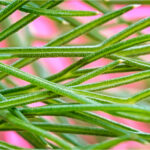
Fennel
Aromatic digestive aid traditionally used to ease bloating and indigestion.
Fennel (Foeniculum vulgare) is a perennial herb in the Apiaceae family, recognized in two main varieties: sweet fennel (var. dulce) and bitter fennel (var. vulgare). Native to southeastern Europe, the plant is used for its fruits (commonly called seeds), roots and leafy parts; its aroma and flavor, often likened to anise, arise principally from volatile constituents such as trans‑anethole, estragole and fenchone.
Traditionally employed in culinary and herbal contexts, fennel preparations—infusions, dried extracts, capsules and essential oil—have been used for digestive comfort, as an antispasmodic and carminative, and as a fluidifying expectorant for minor respiratory complaints. Individual responses vary, and tolerability can differ between people; precautions noted in the literature include possible allergic reactions in those sensitive to Apiaceae species and advice to avoid use in pregnancy and lactation due to estrogenic constituents. Dosage, formulation and outcomes depend on the preparation and the person using it.
At a Glance
A hardy perennial of the Apiaceae family, fennel grows as two main varieties—sweet and bitter—and is valued for its aromatic fruits, roots and leafy parts used in cooking and herbal preparations.
Its essential oil is rich in trans‑anethole, estragole and fenchone, which give fennel its characteristic anise‑like aroma. Traditionally used for digestive comfort and as a mild expectorant, effects and tolerability vary by individual and some people should observe precautions such as avoiding use during pregnancy and in cases of allergy to Apiaceae species.
| Common name |
|
|---|---|
| Scientific name |
|
| Plant family | Apiaceae |
| Origin | Southeastern Europe |
| Parts used |
|
| Active compounds |
|
| Main benefits |
|
| Available forms |
|
Origin & History
Fennel is native to the Mediterranean region, with strong links to southeastern Europe, and prefers warm, sunny, well‑drained habitats; the plant is hardy, drought‑tolerant and often found on roadsides and in disturbed soils. It has been both cultivated and gathered for its aromatic fruits, fleshy roots and feathery leaves, which have culinary and aromatic uses as well as applications in traditional herbal practice.
Used since antiquity, fennel was prized by Egyptian, Greek and Roman cultures for its digestive and culinary qualities. Historically its seeds have been used to ease digestion and control fermentation of foods, while the bulb and leaves have been eaten as vegetables and the essential oil and extracts employed as flavouring agents in bitters, aperitifs and traditional remedies across Europe and the Mediterranean.
Composition & Active Compounds
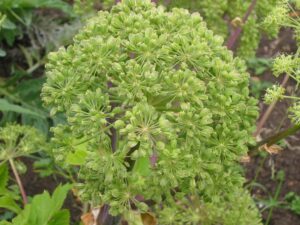
Fennel is an herbaceous plant with a branched cylindrical stem, feathery bipinnate leaves, umbels of small yellowish flowers and elongated diakene fruits; sweet fennel also produces a swollen, bulb‑like root. The fruit contains 0.8–3% essential oil that is rich in trans-anetol, estragol and fenchona, compounds that largely determine the plant’s aroma and flavour.
The fruit essential oil, high in trans-anetol, is the part most used in supplements.
- trans-anetol: major aromatic phenylpropene responsible for fennel’s anise-like scent and flavour.
- estragol: a phenylpropanoid present in the essential oil contributing to aroma.
- fenchona: a ketone found in roots and fruit oil that gives a sharper, bitter note.

Properties & Effects
Fennel is traditionally used in herbal practice for consolation of digestion and as a mild respiratory remedy; its various parts are prepared as infusions, extracts and essential oil for these purposes.
Fennel is most widely recognized for promoting digestive comfort and easing symptoms such as bloating and flatulence.
- Digestive comfort: traditionally used to ease digestion and may support relief from bloating and mild indigestion.
- Antispasmodic: may help reduce intestinal cramping and occasional abdominal discomfort.
- Carminative: traditionally used to reduce excess gas and associated discomfort.
- Expectorant: used as a fluidifying expectorant to help loosen mucus in minor productive coughs.
- Support during depurative or diuretic regimens: sometimes used as an adjunct in detoxifying or diuretic preparations.
- Ocular comfort (external use): external compresses with fennel infusion have been used for eye fatigue and mild conjunctival irritation.
- Menstrual modulation and lactation: traditionally used to influence menstrual regularity and to support milk production, though individual responses vary and precautions apply for pregnancy and breastfeeding.
Dosage & How to Use
Dosage varies by formulation. Recommended amounts from traditional sources are given below.
| Capsule or tablet |
|
|---|---|
| Herbal infusion (tea) |
|
| Essential oil (topical) |
|
Safety, Side Effects & Contraindications
Women who are pregnant or breastfeeding should avoid using fennel preparations because the essential oil contains trans-anethole, a constituent associated with estrogenic activity; caution is advised for these groups. Individuals with a known allergy to Apiaceae species (for example carrot, celery or cumin) may be more likely to experience hypersensitivity reactions and should avoid fennel or use it only under supervision.
Adverse effects are uncommon but can include allergic reactions affecting the skin or the upper respiratory tract such as rhinitis, conjunctivitis or asthma in sensitised people. A general precaution reported in traditional sources is to limit exposure to ultraviolet light after ingesting fennel preparations; if any unexpected symptoms occur, discontinue use and seek medical advice.
- Pregnancy and breastfeeding: avoid use due to estrogenic constituents.
- Allergy to Apiaceae: may cause allergic respiratory or skin reactions in sensitive individuals.
- Photosensitivity precaution: avoid strong UV exposure after ingestion as a precaution.
Avoid use during pregnancy and breastfeeding and if allergic to Apiaceae plants; consult a healthcare professional before use, especially if taking medications or managing health conditions.