

Pomegranate
A polyphenol-rich fruit prized for antioxidant and anti-inflammatory support.
Pomegranate (Punica granatum) is a fruit native to western and central Asia, cultivated worldwide for its juicy arils and tart-sweet juice. The edible seeds and peel are rich in polyphenols—including flavonoids, anthocyanins and ellagitannins—as well as vitamin C and minerals, and are used fresh or as powdered juice and extracts in culinary and supplemental forms.
Research has investigated pomegranate for its antioxidant and anti-inflammatory properties and for potential effects on cardiovascular, joint and metabolic health; results are promising but varied, and individual responses differ. Supplements are commonly formulated as juice powder, extract or oil, with many studies using extract doses in the 1,000–2,000 mg range; standardized dosing is not established and pregnant or breastfeeding individuals should seek medical advice before use.
At a Glance
A small deciduous tree produces round red fruits whose edible arils and peel are used fresh, juiced, or processed into extracts.
Pomegranate is valued for high levels of polyphenols—including flavonoids, anthocyanins and ellagitannins—and vitamin C.
| Common name |
|
|---|---|
| Scientific name | Punica granatum |
| Plant family | Lythraceae |
| Origin | Western and central Asia |
| Parts used | Fruit |
| Active compounds |
|
| Main benefits |
|
| Available forms |
|
Origin & History
Pomegranate is native to western and central Asia and grows on small deciduous trees adapted to warm, dry climates; it is now cultivated in many regions worldwide. The species thrives in well-drained soils and is grown for both ornamental value and for its edible arils and processed products, with numerous cultivated varieties selected for flavor, color and use.
Pomegranate has long held symbolic and practical importance across cultures, appearing in art, myth and traditional practices as a symbol of fertility, abundance and life. Historically the fruit and its extracts have featured in culinary traditions and herbal preparations throughout the Mediterranean, the Middle East and South Asia, and it was introduced to the Americas following European contact where it became integrated into local horticulture and cuisine.
Composition & Active Compounds
The pomegranate is a round, large berry with a smooth rind and numerous juicy arils that range in color from pale pink to deep red; seeds, juice and peel are the main material used. Its chemical profile is dominated by polyphenols—notably flavonoids, anthocyanins and tannins—along with vitamin C and small amounts of B vitamins and minerals, which give the fruit its antioxidant and astringent characteristics.
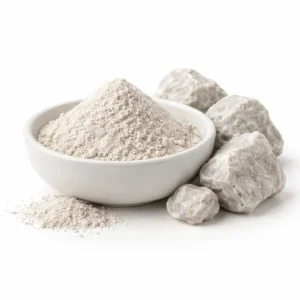
The fruit (arils and peel) is the part most used in supplements and is particularly rich in polyphenols such as ellagitannins.
- Polyphenols: group of plant compounds including flavonoids and tannins
- Flavonols: includes catechol and galocatechin
- Anthocyanins: delphinidol, cyanidol, pelargonidol
- Ellagitannins: hydrolyzable tannins found in peel and arils
- Gallotannins: tannin subclass present in the skin
- Tannins: astringent polyphenols
- Vitamin C: water-soluble antioxidant

Properties & Effects
Pomegranate is traditionally known as a food and medicinal fruit used to support general well-being and resilience in several cultural systems. Its antioxidant properties are the most consistently reported and studied effect.
- Antioxidant: research suggests pomegranate may support the body’s antioxidant defenses.
- Anti-inflammatory: pomegranate may support reduction of inflammatory responses and related discomfort.
- Anti-aging: pomegranate may help limit certain age-associated changes when used as part of diet or topical preparations.
- Cardiovascular support: emerging studies suggest pomegranate may support aspects of cardiovascular health in some individuals, such as blood pressure and lipid measures.
- Joint and bone health: research suggests pomegranate may support joint comfort and skeletal health in people with inflammatory joint conditions.
- Antitumor activity: preliminary research indicates pomegranate may have activity that limits abnormal cell growth in laboratory studies, but effects in humans are not established.
- Chronic disease prevention: pomegranate may support prevention of chronic conditions linked to inflammation and metabolic imbalance according to emerging evidence.
Dosage & How to Use
Supplemental dosing of pomegranate extracts varies, and clinical studies commonly report a specific daily extract range.
| Daily extract dose |
|
|---|
Safety, Side Effects & Contraindications
People who are pregnant or breastfeeding should consult a healthcare professional before using pomegranate supplements or concentrated extracts. Reported side effects have been minimal in available studies, but individual sensitivities and adverse reactions remain possible and effects can vary by person and product.
Some clinical research has observed effects on blood pressure and blood lipid measures, so individuals taking medications for blood pressure, cholesterol, or other cardiovascular conditions should discuss pomegranate use with a clinician to avoid potential additive effects or interactions. When managing chronic conditions or taking prescription medicines, healthcare guidance is advised before starting any supplement.
- Pregnancy and breastfeeding: seek medical advice before use.
Consult a healthcare professional before use, especially if pregnant or breastfeeding or taking medications for blood pressure or lipids, as interactions or individual reactions are possible.