
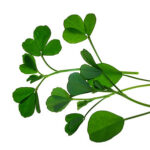
Fenugreek
A culinary seed traditionally used to support appetite, digestion and lactation.
Fenugreek (Trigonella foenum-graecum) is an annual herb in the Fabaceae family native to the Mediterranean basin and parts of Asia. Its aromatic seeds and leaves are used both as a culinary spice and in traditional remedies; seeds contain notable constituents such as fiber, plant sterols (including diosgenin), alkaloids like trigonelline, saponins and the amino‑acid derivative 4‑hydroxyisoleucine. Research and traditional use link fenugreek with appetite stimulation, digestive support, effects on blood glucose and lipid regulation, and promotion of lactation, though evidence varies and outcomes differ among individuals.
Fenugreek is supplied as whole seeds, powders, extracts and dietary supplements, with common supplemental dosages reported in the range of about 500–2000 mg per day. Safety considerations include a documented risk of uterine contractions, so use is contraindicated in pregnancy; supplements are generally not recommended for children. People with diabetes or those taking anticoagulant medication should consult a healthcare professional before use. Individual responses and tolerability vary, so medical advice is recommended when considering fenugreek.
At a Glance
A Mediterranean and Asian annual in the bean family, fenugreek is cultivated for its aromatic seeds and edible leaves used in cooking and traditional remedies.
Seeds contain fiber, plant sterols, alkaloids including trigonelline and the amino-acid derivative 4-hydroxyisoleucine, and have been associated with effects on appetite, digestion, blood glucose and lactation in research and traditional use.
| Common name |
|
|---|---|
| Scientific name | Trigonella foenum-graecum |
| Plant family | Fabaceae |
| Origin |
|
| Parts used |
|
| Active compounds |
|
| Main benefits |
|
| Available forms |
|
Origin & History
Fenugreek originates from the Mediterranean basin and parts of Asia and grows as an annual in sunny, well‑drained habitats. Cultivation typically involves spring sowing and autumn harvest when narrow pods mature; the plant tolerates light drought and prefers high levels of sunlight.
Used for millennia across India, the Middle East and Europe, fenugreek has long served both as a culinary spice and in traditional remedies. Ancient Egyptians used fenugreek in embalming rituals, and classical physicians such as Hippocrates recommended it for external treatment of wounds and infections. Over time its aromatic seeds became a staple condiment in regional cuisines and a common ingredient in preparations aimed at supporting digestion, appetite and lactation in traditional practice.
Composition & Active Compounds
Fenugreek is an annual herb with erect, hollow stems and small pale yellow to white flowers; narrow curved pods mature into 10–20 oblong seeds about 6 mm long with a yellow to brown‑ochre coat. The seeds are nutritionally dense and contain proteins, carbohydrates, lipids and a high proportion of fiber alongside bioactive constituents such as plant sterols (diosgenin), alkaloids (trigonelline), saponins, galactomannans, the amino‑acid derivative 4‑hydroxyisoleucine and polyphenols including flavonoids.
Seeds are the plant part most commonly used in supplements and herbal preparations.
- Fiber: dietary fiber present in high amounts
- Plant sterols (diosgenin): steroidal sapogenin present as diosgenin
- Alkaloids (trigonelline): alkaloid including trigonelline
- Saponins: glycosides contributing to bitterness and biological activity
- 4-hydroxyisoleucine: amino-acid derivative reported in research to influence insulin secretion
- Galactomannan: polysaccharide contributing to mucilaginous texture
- Polyphenols (flavonoids): antioxidant compounds including flavonoids
Related Herbs
Properties & Effects
Fenugreek is traditionally used as a culinary spice and herbal remedy for digestive complaints, low appetite and to support lactation. It is commonly taken as seeds, powders or extracts in folk and complementary practices.
Research suggests fenugreek may help regulate blood sugar levels in some people.
- Appetite stimulation: traditionally used to increase appetite and may support weight gain in people with low appetite.
- Digestive support: may support digestion and help relieve intestinal gas or bloating.
- Lactation support: traditionally used to support breast milk production in some nursing women.
- Blood glucose regulation: research suggests it may help lower or stabilize blood sugar in some individuals.
- Lipid and cholesterol reduction: may support reductions in total cholesterol, LDL cholesterol and blood triglyceride levels.
- Antioxidant and anti-inflammatory: contains antioxidant compounds and may have mild anti-inflammatory effects.
- Liver protection: some evidence suggests it may have protective effects on liver function.
Dosage & How to Use
Supplemental doses reported in the literature vary; individual advice from a healthcare professional is recommended.
| Supplementation |
|
|---|
Safety, Side Effects & Contraindications
Some groups should avoid fenugreek or use it only under professional supervision. Fenugreek has been shown to cause uterine contractions and is therefore absolutely contraindicated during pregnancy, and dietary supplements of fenugreek are not recommended for children.
People with diabetes and those taking anticoagulant medications should consult a healthcare professional before using fenugreek, since its effects on blood sugar and potential interactions require medical oversight; individual responses and side effects can vary. In case of doubt, seek personalised advice from a qualified clinician.
- Pregnancy: absolutely contraindicated due to risk of uterine contractions.
- Children: dietary supplements of fenugreek are contraindicated for children.
- Diabetes: consult a healthcare professional before use because blood sugar levels may be affected.
- Anticoagulant therapy: seek medical advice if taking blood‑thinning medication due to possible interactions.
Fenugreek may cause uterine contractions and is contraindicated in pregnancy; supplements are not recommended for children. It can affect blood sugar and may interact with anticoagulant medication — consult a healthcare professional before use, especially if pregnant, diabetic, or taking blood thinners.