
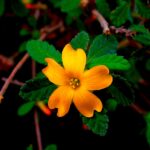
Damiana
Aromatic shrub traditionally used to support sexual vitality.
Damiana (Turnera aphrodisiaca, also cited as Turnera diffusa) is a shrubby herb in the Passifloraceae family whose aromatic leaves have long been used as a tonic and mild stimulant. Native to parts of northern South America—including Brazil, the Amazon region and French Guiana—the dried leaf is traditionally prepared as an infusion or extracted for use in capsules and tinctures, and has a historical reputation for supporting libido and perceived energizing effects.
Phytochemical analyses identify compounds such as damianin, arbutin and various flavonoids that may relate to reported aphrodisiac, adaptogenic and mild blood‑sugar–modulating actions, but individual responses vary. Common supplement formats include dried leaf for tea and standardized capsules; a typical commercial regimen is three to four capsules daily (each providing roughly 60–80 mg of leaf extract) or one to two infusions per day (about 1 teaspoon of leaf simmered for ten minutes). Possible adverse effects include insomnia, headache and gastrointestinal upset, and damiana is generally not recommended for people with glucose regulation disorders or a personal/family history of breast cancer.
At a Glance
Damiana is a woody shrub native to Brazil, the Amazon region and French Guiana whose aromatic leaves are used traditionally as a mild tonic and stimulant. Leaves are prepared as infusions or concentrated into extracts, and the plant contains compounds such as damianin, arbutin and flavonoids associated with reported aphrodisiac and adaptogenic uses.
| Common name | Damiana |
|---|---|
| Scientific name |
|
| Plant family | Passifloraceae |
| Origin |
|
| Parts used | Leaves |
| Active compounds |
|
| Main benefits |
|
| Available forms |
|
Origin & History
Damiana is native to parts of northern South America, notably Brazil, the Amazon region and French Guiana, and is now found in other warm, humid regions such as the Caribbean and parts of Africa. The species grows as a woody shrub in temperate tropical habitats and prefers climates that do not drop below about 12°C; its small aromatic leaves and summer flowers are the parts most commonly harvested for traditional preparations.
Mayan and Aztec communities historically prepared damiana leaves—often alongside cacao—as infusions reputedly consumed to support libido, fertility and as an energizing beverage prior to conflicts. During the 19th century the herb appeared in stimulant elixirs and bitters, later reemerging in popular culture through use in herbal formulations and by countercultural groups; today it is primarily used in dried‑leaf infusions and concentrated extracts in supplements and teas, with practices and perceptions varying by region and tradition.
Composition & Active Compounds
Damiana is a woody shrub reaching about one to two metres with pale green aromatic leaves, small yellow summer flowers and small capsule fruits whose seeds have a fig‑like aril. Leaf material contains a range of phytochemicals including damianina, arbutin and various flavonoids, along with essential oils and tannins; these constituents are the focus of traditional preparations and standardized extracts because they are thought to contribute to the herb’s reported stimulant and aphrodisiac properties. The leaves are the primary part used in supplements and typically supply the highest concentrations of damianina.
- damianina: a characteristic constituent of damiana, associated with the plant’s traditional stimulant and tonic uses.
- arbutin: a phenolic glycoside present in the leaves; noted in experimental and traditional reports linked to sexual function.
- flavonoids: polyphenolic compounds that can influence enzyme activity and antioxidant status, contributing to reported effects on mood and libido.
Related Herbs
Properties & Effects
Damiana is traditionally known as a mild tonic and herbal stimulant commonly used to support sexual vitality and general wellbeing. Its most documented traditional use is as an aphrodisiac and for supporting sexual function, including reports related to erectile difficulties.
- Aphrodisiac and sexual support: Research and traditional use suggest damiana may support libido and aspects of sexual function in some individuals.
- Tonic and energizing: Traditionally used as a general tonic that may help support vitality and mild energy levels.
- Adaptogenic-like effects: Damiana may support resilience to stress and help with symptoms of anxiety for some people.
- Mild blood sugar modulation: Extracts have been reported to have a slight blood‑sugar–lowering effect and may support glucose regulation.
Dosage & How to Use
Common preparation and dosing options used in supplements and traditional practice are outlined below.
| Capsules or tablets |
|
|---|---|
| Infusion |
|
Safety, Side Effects & Contraindications
Some people should avoid damiana or use it only under medical supervision. Because damiana can have a mild blood‑sugar–lowering effect, it is not recommended for people with diabetes or other disorders of glucose regulation and may interact with glucose‑lowering medications; medical advice is recommended before use. Damiana’s reported anti‑aromatase activity means it is not advised for individuals with a personal or family history of breast cancer.
Known adverse effects reported with damiana supplements include insomnia, headache and gastrointestinal disturbances; individual responses vary and adverse reactions may be more likely at higher doses or with prolonged use. As with any botanical product, formulations and concentrations differ between manufacturers, so consult a healthcare professional if taking medications or managing chronic health conditions.
- Diabetes or glucose regulation disorders: Not recommended due to mild blood‑sugar–lowering effects.
- Personal or family history of breast cancer: Not recommended because of anti‑aromatase activity.
Not recommended for people with diabetes or glucose regulation disorders or for those with a personal or family history of breast cancer; consult a healthcare professional before use.