Horse Chestnut
A venous-support herb traditionally used to ease sensations of heavy or swollen legs.
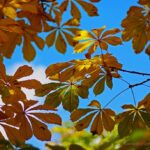
Horse Chestnut (Aesculus hippocastanum) is an ornamental tree native to the Balkans, noted for its glossy brown seeds and palmate leaves. Seed and bark extracts, standardized for aescin (æscin) and æsculoside, are used in herbal practice aimed at supporting venous circulation and addressing symptoms commonly associated with venous insufficiency, such as sensations of heavy or swollen legs, varicose veins and hemorrhoidal discomfort; effects vary by individual and are not guarantees of benefit.
Products are commonly available as standardized capsule extracts (typical capsule content around 250–275 mg with total daily intakes often cited in product information) and as topical preparations. Horse Chestnut seeds are not edible raw; supplements are generally contraindicated in people under 18, pregnant or breastfeeding individuals, and those on anticoagulant, hypoglycemic or iron therapies. Mild adverse effects such as nausea, digestive upset, dizziness or headache have been reported, so consultation with a healthcare professional is advisable before use.
At a Glance
Aesculus hippocastanum, commonly known as horse chestnut, is a deciduous ornamental tree whose seeds and bark are processed for herbal extracts. Extracts standardized for aescin and aesculoside are used in herbal practice to address venous circulation concerns and related symptoms, with effects that vary by individual. Seeds are not edible raw and preparations are supplied as dietary supplements and topical products.
| Common name |
|
|---|---|
| Scientific name | Aesculus hippocastanum |
| Plant family | Hipocastanaceae |
| Origin |
|
| Parts used |
|
| Active compounds |
|
| Main benefits |
|
| Available forms |
|
Origin & History
Native to the Balkans and parts of western Asia, horse chestnut (Aesculus hippocastanum) adapts to a range of soils but prefers fresh, light, well-drained substrates. The tree grows as a large deciduous specimen in parks, avenues and urban plantings, producing palmate leaves, showy flower clusters and spiny fruit capsules that contain glossy brown seeds.
Horse chestnut has long been planted in public spaces and gardens for its ornamental value, prized for its flowers and shade. Over time the seeds and bark were processed into standardized extracts used in traditional herbal practice; the species is commonly distinguished from edible chestnut trees, and its raw seeds are not eaten.
Composition & Active Compounds
Horse chestnut is a large deciduous tree producing palmate leaves, pyramidal clusters of white-to-pink flowers and spiny capsules that contain glossy brown, inedible seeds. Extracts prepared from the seeds and bark contain saponins, flavonoids and coumarins; the principal actives cited in research and supplements are aescin and aesculoside, which are associated with anti-inflammatory and antiedematous effects and with tonic activity on veins, while other constituents contribute to the overall phytochemical profile.
Aescin is the primary compound standardized in most horse chestnut supplements.
- Aescin (æscin): a mixture of saponins associated with venotonic, anti-inflammatory and anti‑edematous activities
- Aesculoside (æsculoside): a related saponin glycoside contributing to the plant’s pharmacological profile
- Flavonoids: polyphenolic compounds present in extracts
- Saponins: glycoside class that includes aescin and aesculoside
- Coumarins: naturally occurring compounds found in the plant matrix
- Aesculin (æsculin): a coumarin glycoside present in raw material that is considered toxic and is removed during standardized extraction
Related Herbs
Properties & Effects
Horse chestnut is traditionally known for supporting venous circulation and relieving symptoms linked to poor vein function. Research and traditional use most consistently associate horse chestnut with supporting venous circulation and easing symptoms of venous insufficiency.
- Venous circulation support: may support healthy venous tone and relieve sensations of heavy or tired legs.
- Anti-inflammatory: may support reduction of local inflammation related to venous conditions.
- Anti-edema: may help reduce swelling in the lower limbs.
- Support for hemorrhoidal symptoms: may help ease itching, burning and discomfort during hemorrhoidal flare-ups.
Dosage & How to Use
Dosage varies by product; typical ranges reported in product information are provided below.
| Typical supplement dosing |
|
|---|
Safety, Side Effects & Contraindications
Horse chestnut supplements are contraindicated in people under 18 and in pregnant or breastfeeding individuals; people with heart or renal insufficiency are advised to seek medical guidance before use. Those taking anticoagulant medications, blood‑glucose lowering treatments or iron supplements should consult a healthcare professional because co‑use may require monitoring or adjustment.
Reported adverse effects are generally mild and include nausea, digestive discomfort, dizziness and headache. Raw seeds and unprocessed material contain aesculin, a compound considered toxic, and standardized extracts are used to remove such constituents; do not consume raw seeds.
- Under 18 years: contraindicated for use of horse chestnut supplements
- Pregnancy and breastfeeding: contraindicated for use
- Heart or kidney insufficiency: medical advice recommended before use
- Anticoagulant therapy: consult a healthcare professional due to possible interactions
- Hypoglycemic therapy: consult a healthcare professional due to possible interactions
- Iron supplements: consult a healthcare professional due to possible interactions
- Raw seeds: not edible; contain toxic constituents and should not be consumed
Not recommended for people under 18, pregnant or breastfeeding; may interact with anticoagulant, hypoglycemic or iron therapies—consult a healthcare professional before use.