
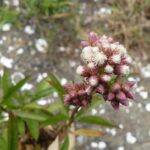
Baccharis
Traditional digestive and liver-support herb used as an infusion.
Baccharis is a perennial herb native to tropical and subtropical regions of the Americas, commonly known as carqueja. The aerial parts are used traditionally as an infusion or decoction for digestive discomfort and liver support; phytochemical analyses identify flavonoids and terpenoids—among them hispidulina—as prominent constituents.
Preclinical and clinical studies have explored gastroprotective, antiulcer and hepatoprotective actions, along with antioxidant and antimicrobial activity, but effects can vary between individuals. Traditional preparation uses about 10–15 g of dried herb per 0.5 L of water; Baccharis is not recommended during pregnancy, may influence blood glucose, and its use in lactation is unestablished, so consult a healthcare professional before use.
At a Glance
A perennial herb in the Asteraceae family native to tropical and subtropical regions of the Americas, Baccharis has a long history of use for digestive complaints and liver support.
Its aerial parts are commonly prepared as infusions or decoctions and phytochemical analyses highlight flavonoids and terpenoids as primary constituents. Research has investigated gastroprotective, hepatoprotective and antioxidant effects in preclinical and some clinical studies, but individual responses may vary.
| Common name |
|
|---|---|
| Scientific name | Baccharis trimera |
| Plant family | Asteraceae |
| Origin | Tropical and subtropical Americas |
| Parts used | Aerial parts |
| Active compounds |
|
| Main benefits |
|
| Available forms |
|
Origin & History
Baccharis trimera is native to tropical and subtropical regions of the Americas, with strong representation in southeast Brazil and populations across Argentina, Bolivia, Paraguay, Colombia, Chile and Mexico. It commonly grows in wetland and riparian habitats of the Amazon and adjacent areas and can be found at elevations up to 2,800 metres; the perennial shrub typically reaches about 1–2 metres and produces small white and yellow flowers.
Indigenous communities in the Amazon and other South American cultures have long prepared Baccharis as infusions or decoctions for digestive complaints and to support hepatic concerns. Known widely as carqueja, the plant became a staple of traditional medicine for dyspepsia, fever, diarrhea, diuretic and circulatory uses, and these cultural practices later guided scientific investigations into its flavonoid and terpenoid constituents.
Composition & Active Compounds
Baccharis trimera is a perennial shrub 1–2 metres tall with small white and yellow flowers and green, winged stems that function like leaves. Its chemistry is dominated by polyphenols, especially flavonoids, alongside a range of terpenoids; identified flavonoids include hispidulin, eupatorin, eupatrin, cirsimaritin, rutin, kaempferol, quercetin and luteolin and these constituents contribute to the plant’s antioxidant and protective profile. Hispidulin is considered the primary hepatoprotective flavonoid identified in Baccharis and the aerial parts are the portion most commonly used in supplements.
- Hispidulin: flavonoid, associated with hepatoprotective activity and antioxidant potential
- Eupatorin: flavonoid present in the species, contributes to the polyphenol profile
- Eupatrin: flavonoid found in extracts, part of the flavonoid mixture
- Cirsimaritin: flavonoid present in Baccharis, contributes to antioxidant activity
- Rutin: flavonoid glycoside, antioxidant polyphenol
- Kaempferol: flavonoid, antioxidant polyphenol
- Quercetin: flavonoid, antioxidant polyphenol
- Luteolin: flavonoid, antioxidant polyphenol
Properties & Effects
Baccharis is traditionally used for digestive disorders and to support liver health, and it features regularly in South American folk medicine for dyspepsia, fever and as a diuretic.
Among studied actions, its gastroprotective and antiulcer effects are the most consistently reported in both traditional use and research.
- Gastroprotective / Antiulcer: Research suggests Baccharis may support protection and repair of the stomach lining and reduce ulcer formation or acid-related discomfort.
- Hepatoprotective: Studies indicate it may support liver resilience and help reduce liver damage in experimental settings.
- Antioxidant: It may help reduce oxidative stress and support cellular protection.
- Antimicrobial and Antiparasitic: Laboratory tests suggest extracts can inhibit certain bacteria, parasites and some viruses.
- Digestive support: Traditionally used to ease digestion and relieve dyspepsia after meals.
- Diuretic: Traditionally employed to promote urine flow and support fluid balance.
Dosage & How to Use
Traditional preparation and amounts are provided from historical use of the dried plant.
| Digestive support |
|
|---|---|
| Liver support |
|
Safety, Side Effects & Contraindications
Baccharis has specific safety considerations based on experimental and traditional data: animal studies indicate uterine contractions and abortifacient effects, and limited human safety data mean caution is advised. Known or reported concerns include potential effects on blood glucose and the absence of established safety data for breastfeeding.
Use may interact with glucose-lowering treatments and could increase the risk of low blood sugar, so people taking antidiabetic medications should inform their clinician and monitor levels if Baccharis is used. If any adverse reaction occurs, discontinue use and seek medical advice; healthcare supervision is recommended for people with chronic conditions or those taking prescription medicines.
- Pregnancy: animal data indicate uterine contractions and potential abortifacient effects; avoid use during pregnancy
- Lactation: insufficient safety data for breastfeeding; avoid or consult a healthcare professional
- Blood sugar / Diabetes: may have hypoglycemic effects and could potentiate antidiabetic medications; monitor blood glucose and inform prescriber
Avoid Baccharis during pregnancy; consult a healthcare professional before use if breastfeeding, taking glucose-lowering medication, or managing chronic conditions.