
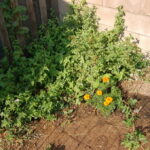
Artichoke
Supports digestive comfort and healthy lipid processing.
Artichoke (Cynara scolymus) is a Mediterranean herb whose edible flower heads are valued in cuisine while the leaves are used in herbal preparations. Leaf constituents include phenolic acids (for example cynarine and chlorogenic acid) and flavonoids, and traditional and experimental sources associate the leaves with support for lipid metabolism, diuresis and digestive function through choleretic and cholagogue activity that promotes bile secretion and flow. Uses vary by individual and depend on preparation, dose and health status.
Common supplement forms include dried leaf powder (traditional daily doses around 600–1,500 mg, divided), fresh leaf extracts (typical soft extract ~1,800 mg/day; reported ranges 600–2,700 mg/day) and dry leaf extracts (reported ranges roughly 400–2,100 mg/day depending on the preparation). Mild, transient gastrointestinal effects (diarrhea, nausea, heartburn) and allergic reactions have been reported; use is contraindicated in people with hypersensitivity to Asteraceae plants and in certain biliary or obstructive liver conditions. Children under 12, pregnant or breastfeeding people are generally advised to avoid use in the absence of medical guidance. If adverse effects occur, seek advice from a healthcare professional.
At a Glance
A thistle-derived crop from the Mediterranean, artichoke combines culinary and herbal uses; the edible flower heads are consumed while the leaves are used in supplements.
The leaf contains phenolic acids (for example cynarine) and flavonoids and is traditionally used to support bile flow, lipid processing and digestive comfort.
Effects and tolerability vary by individual; mild gastrointestinal symptoms and allergic reactions have been reported.
| Common name |
|
|---|---|
| Scientific name |
|
| Plant family | Asteracea |
| Origin | Mediterranean basin |
| Parts used | Leaves |
| Active compounds |
|
| Main benefits |
|
| Available forms |
|
Origin & History
A thistle-derived crop native to the Mediterranean basin, artichoke is cultivated for its edible flower heads while the leaves are harvested for herbal use. The plant produces tall, branched stems with large, deeply veined leaves and thrives in temperate, Mediterranean climates; different varieties show varying cold tolerance and regional suitability.
Consumed for centuries, the edible heads became a culinary specialty in Italy and later spread across Europe where growers selected multiple varieties. After its introduction, artichoke quickly found a place on elite and royal tables in Europe. The leaves have a long history in traditional herbal practice and have been attributed with uses related to bile flow, lipid processing and digestive comfort, though effects and tolerability vary by individual.
Composition & Active Compounds
Artichoke plants develop tall, branched stems with large, deeply veined leaves and a compact green flower head harvested before blooming. The leaves used in herbal preparations are rich in multiple classes of constituents: phenolic acids (for example cynarine, caffeic and chlorogenic acids), flavonoids (including apigenin, quercetin and rutin), sesquiterpene lactones (such as cinaropicrin), organic acids and micronutrients that together contribute to the plant’s bitter and astringent properties and underlie its traditional digestive and metabolic uses.
The leaves are the part most used in supplements and are particularly rich in phenolic acids such as cynarine.
- Cynarine: a phenolic acid commonly associated with artichoke leaves.
- Chlorogenic acid: a phenolic compound present in the leaf.
- Caffeic acid: a phenolic acid found in the plant.
- Malic acid: an organic acid present in the leaf.
- Succinic acid: an organic acid occurring in the leaf.
- Cinaropicrin: a sesquiterpene lactone reported in artichoke.
- Apigenin: a flavonoid present in the leaves.
- Quercetin: a common flavonoid in the plant.
- Rutin: a flavonoid glycoside found in the leaf profile.
- Copoletin: a flavonoid-type compound listed among leaf constituents.
- Hesperitin: a flavonoid mentioned in the leaf composition.
- Hesperidoside: a related flavonoid glycoside noted in the facts.
- Vitamins B9, C, K: micronutrients present in the leaves.
- Magnesium: a mineral reported in the leaf composition.
- Iron: a mineral contained in the leaves.
- Dietary fiber: structural plant fiber found in the leaf and edible parts.
Related Herbs
Properties & Effects
Artichoke leaf preparations are traditionally used to support digestion and the body’s processing of fats and waste, and are commonly used in herbal formulations aimed at metabolic and digestive comfort. Research and traditional use most commonly associate artichoke leaves with supporting healthy blood lipid levels.
- Lipid support: research suggests artichoke leaf preparations may support healthy blood lipid levels and the elimination of fats from the bloodstream.
- Detoxification and drainage: traditionally used as a diuretic and draining agent that may support the removal of excess fluids and metabolic waste.
- Digestive comfort: traditionally used to ease digestive discomfort and may help reduce symptoms such as bloating and constipation.
Dosage & How to Use
Dosages depend on product type and preparation; follow manufacturer guidance and healthcare advice.
| Dried leaf powder |
|
|---|---|
| Fresh leaf extracts |
|
| Dry leaf extracts |
|
Safety, Side Effects & Contraindications
Artichoke leaf products are not suitable for everyone; use is contraindicated in people with hypersensitivity to plants of the Asteraceae family and in individuals with certain liver or biliary disorders. Children under 12 years of age, pregnant people and those who are breastfeeding are generally advised to avoid artichoke leaf supplements in the absence of medical guidance.
Reported side effects are generally mild and transient and include diarrhea, nausea, heartburn and occasional allergic reactions; discontinue use and seek healthcare advice if adverse effects occur. Because artichoke leaf preparations affect bile-related function, discuss use with a healthcare professional before starting supplements when there are existing liver or biliary conditions or when taking prescription medications that affect liver function.
- Hypersensitivity to Asteraceae: avoid use if allergic to plants in the Asteraceae family.
- Hepatic and biliary disorders: contraindicated in conditions such as bile duct obstruction, cholangitis and gallstones.
- Children under 12: not recommended due to lack of safety data.
- Pregnancy and breastfeeding: not recommended as a precaution because data are insufficient.
Avoid if allergic to Asteraceae or if you have biliary or obstructive liver conditions; consult a healthcare professional before use, especially if pregnant, breastfeeding, a child, or taking prescription medications.