
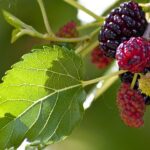
Blueberry
A low sub-shrub yielding small blue‑black berries prized for their tart-sweet flavor and rich natural polyphenols.
Blueberry (Vaccinium myrtillus) is a low-growing sub-shrub native to northern Europe, producing small blue‑black berries valued for their tart-sweet flavor and concentrated polyphenols, especially anthocyanins and other flavonoids.
Used both as a culinary fruit and in traditional herbal preparations, blueberry is linked in research to antioxidant activity and potential benefits for vision and cardiovascular health; these effects may vary by individual and should not be taken as guarantees.
At a Glance
A low-growing European sub-shrub, blueberry produces small blue-black berries prized for culinary use and for traditional herbal preparations.
It is rich in polyphenols, notably anthocyanins and other flavonoids. Historically used in northern Europe, blueberry has been studied for antioxidant activity and potential effects on vision and cardiovascular health; outcomes can vary by individual.
| Common name |
|
|---|---|
| Scientific name | Vaccinium myrtillus |
| Plant family | Ericaceae |
| Origin | Northern Europe |
| Parts used |
|
| Active compounds |
|
| Main benefits |
|
| Available forms |
|
Origin & History
Blueberry (Vaccinium myrtillus) is native to northern Europe and typically grows as a low sub-shrub in acidic, well‑drained soils of open woodlands, heaths and mountainous areas. Wild stands are common across regions such as Brittany, the Vosges, the Massif Central and the Alps; the species is also cultivated in many parts of the world and is harvested for fresh use and processing.
From the Middle Ages onward, blueberry fruits were employed in European folk medicine to help control outbreaks of dysentery. Beyond culinary uses like jams, pies and liqueurs, the berry has a long history in traditional remedies for circulatory and eye complaints and was often collected and preserved seasonally for food and medicine.
Composition & Active Compounds
Blueberry is a small blue‑black berry with purplish flesh and tiny seeds; the fresh fruit is roughly 80% water and contains carbohydrates (mainly sugars), dietary fiber, vitamins C and E, minerals such as manganese, copper, potassium and iron, and a concentrated polyphenol fraction. The key active constituents are polyphenols—especially anthocyanins—alongside proanthocyanidins, other flavonoids (for example quercetin) and phenolic acids such as chlorogenic acid, which contribute to the berry’s antioxidant properties.
Anthocyanins are the primary active compounds and are central to blueberry’s antioxidant profile.
- Anthocyanins: pigmented polyphenols responsible for the blue‑black color and strong antioxidant activity
- Proanthocyanidins: condensed tannins that contribute to the overall polyphenol content
- Flavonoids (quercetin): flavonoid compounds present in the fruit
- Chlorogenic acid: a phenolic acid found in the berry
Related Herbs
Properties & Effects
Blueberry has been used historically as both a food and a traditional remedy, especially for eye and circulatory concerns. Research suggests antioxidant activity is its most consistent and well‑documented property.
- Antioxidant: may support protection against oxidative stress in cells.
- Anti-inflammatory: research suggests it may support reduction of chronic inflammation.
- Vision support: may support aspects of eye health, including adaptation to low light and retinal resilience.
- Cardiovascular support: may support cardiovascular health and factors related to circulation.
- Blood sugar regulation: research suggests it may support healthy blood sugar levels.
- Anticancer potential: some studies suggest possible roles in cancer prevention and treatment, though evidence is preliminary.
- Antimicrobial: may support urinary tract health and help against certain urinary infections.
Dosage & How to Use
Typical supplement dosing from available sources is summarized below.
| As part of a treatment |
|
|---|
Safety, Side Effects & Contraindications
Blueberry is generally considered safe as a food and in common supplement forms; available sources report no significant side effects when consumed at typical dietary amounts. Excessive consumption is not recommended and individual responses can vary.
People with diabetes, and pregnant or breastfeeding women, are advised to seek medical advice before using blueberry as a treatment or supplement because blueberry may influence blood sugar and specific safety in pregnancy and lactation has not been established; anyone taking medications should consult a healthcare professional about possible interactions.
- Diabetes: consult a healthcare professional before use because blueberry may affect blood sugar levels.
- Pregnancy and breastfeeding: seek medical advice before using blueberry during pregnancy or while nursing.
- Excessive consumption: large or prolonged intake is not recommended; use in moderation.
Consult a healthcare professional before using blueberry supplements, especially if pregnant, breastfeeding, or managing diabetes, as blueberry may affect blood sugar and individualized advice is needed.