Nettle
A remineralising herb traditionally used to support mineral balance.
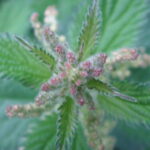
Nettle (Urtica dioica, Urtica urens) is a widespread herb recognised for its stinging hairs and nutrient-rich leaves and roots. Containing minerals and trace elements (including iron and calcium), vitamins, flavonoids and other phytochemicals, it is traditionally valued for remineralising properties and used as a mild diuretic and depurative in herbal practice.
Employed since antiquity for issues such as fatigue associated with mineral deficiency, rheumatic and urinary complaints, digestive irregularity and some skin conditions, nettle’s effects vary between individuals and cannot be guaranteed. Common formats include infusions, dried powders, standardized extracts and tinctures; pregnant or breastfeeding people and children should exercise caution, and fresh plant material can irritate eyes and mucous membranes.
At a Glance
Nettle is a herbaceous plant notable for its stinging hairs and a nutrient-dense composition concentrated in leaves and roots. It is traditionally used for remineralising support and as a mild diuretic and depurative.
| Common name |
|
|---|---|
| Scientific name |
|
| Plant family | Urticaceae |
| Origin | Worldwide |
| Parts used |
|
| Active compounds |
|
| Main benefits |
|
| Available forms |
|
Origin & History
Nettle belongs to the Urticaceae family and the genus Urtica, with more than twenty species distributed across temperate regions worldwide. The best-known species, Urtica dioica (a perennial) and Urtica urens (an annual), favour fertile, nitrogen-rich soils and are commonly found in fields, gardens, meadows and woodland margins; leaves and roots are typically harvested in spring and summer for culinary or herbal use.
Used since antiquity in Europe and beyond, nettle appears in the writings of classical authors and in medieval herbals and has long featured both as a food (soups, stews and salads) and as a medicinal plant in traditional systems. Ancient physicians such as Dioscorides and Hippocrates mentioned nettle in medical writings, and it remained a recognised remedy through the Middle Ages into more recent herbal traditions. In many cultures nettle’s practical uses extended to fiber and animal feed, and contemporary interest reflects both its nutritional composition and its historical role in folk medicine.
Composition & Active Compounds
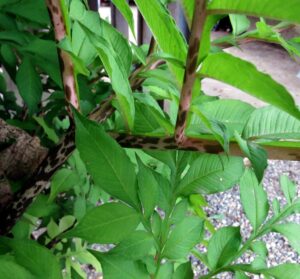
Nettle is a tall herb with a square stem and opposite, toothed leaves covered in stinging hairs; Urtica dioica typically produces creeping roots while Urtica urens has a taproot. The plant’s leaves and roots contain a nutrient-dense mix of minerals and trace elements, vitamins, essential amino acids and a range of phytochemicals including flavonoids, tannins, phytosterols, chlorophyll and biogenic amines in the irritant sap.
Leaves and roots are the parts most commonly used in supplements.
- Minerals and trace elements: calcium, iron, silica, magnesium, manganese, potassium, sulfur, zinc
- Vitamins: vitamin A, B-group vitamins, vitamin C, vitamin E
- Amino acids: essential amino acids
- Flavonoids: polyphenolic compounds
- Tannins: found in roots
- Phytosterols: plant sterols
- Chlorophyll: leaf pigment
- Histamine: present in the irritant juice
- Serotonin: present in the irritant juice
- Acetylcholine: present in the irritant juice
- Organic acids: present in the irritant juice
Related Herbs
Properties & Effects
In traditional herbal practice, nettle is valued for nutritive leaves and roots and for a range of supportive actions such as remineralising, mild diuretic and depurative effects.
Remineralising support is among nettle’s most recognised traditional uses.
- Remineralising: May support mineral status and is traditionally used for fatigue linked to mineral deficiency.
- Tonic: May support general vitality and help counter certain forms of fatigue.
- Diuretic and draining: May support the elimination of excess fluid as a mild diuretic.
- Depurative: May support digestive secretions and purification of the skin.
- Anti-inflammatory: Research suggests it may support reduction of inflammation-related discomfort.
- Antioxidant: May support protection against oxidative stress.
- Analgesic: May support relief of mild pain or discomfort.
- Antimicrobial: May support control of some microbial activity.
- Anti-ulcer: May support gastrointestinal comfort and mucosal health.
- Antiallergic: May support relief of seasonal allergy symptoms such as rhinitis.
- Immunostimulant: May support general immune function.
- Antidiarrheal: May support reduction of diarrhoea.
- Hypoglycemic: May support blood sugar regulation.
- Galactogogue: May support lactation in some traditional contexts.
Dosage & How to Use
Typical preparation and dose depend on the product form; common examples from traditional use are shown below.
| Infusion |
|
|---|---|
| Powder |
|
| Capsules |
|
| Treatment duration |
|
Safety, Side Effects & Contraindications
Nettle extracts have a long history of use and are generally well tolerated, but certain groups should avoid them as a precaution. The fresh plant and its sap are irritant and can cause stinging or skin reactions; avoid contact with eyes and mucous membranes and stop use if significant irritation develops.
Consult a healthcare professional before using nettle if there are concurrent medical conditions or if taking prescription medicines, and seek advice when considering nettle for conditions such as urinary symptoms related to benign prostatic enlargement. Individual responses vary, so monitoring for side effects and interactions is advisable.
- Pregnancy and breastfeeding: avoid nettle extracts as a precaution.
- Children: avoid use in children as a precaution.
- Irritant contact: the fresh plant and its sap can irritate skin, eyes and mucous membranes; avoid contact.
Avoid nettle extracts during pregnancy and breastfeeding and in children without medical advice; the fresh plant can irritate skin and mucous membranes—consult a healthcare professional before use, especially if taking medications.