

Tunis: Essential Highlights & Hidden Corners
Welcome to Tunis, a city where the ancient and the modern seamlessly blend, offering a vibrant mosaic of history and culture. Tunis entices with its labyrinthine Medina, bustling marketplaces, and the serene beauty of its azure shores. It’s a destination where time seems to slow down just enough for you to soak in the North African warmth and the rhythm of daily life.
Perfect for a short trip, Tunis delivers a mix of accessibility and exploration. The city is compact and walkable, allowing travelers to efficiently weave through its narrow streets and expansive boulevards. With a straightforward layout and a laid-back pace, exploring Tunis feels like unraveling an intriguing story one step at a time.


Getting There
To reach Tunis from abroad, the primary gateway is Tunis-Carthage International Airport. Located just a few kilometers from the city center, it is well-connected with major European cities and other international hubs, offering a range of flights from regular airlines to budget-friendly options. For those traveling from neighboring cities or countries, rail services connect Tunis to other parts of Tunisia. The Tunis-Bab Saadoun Train Station serves as the central node for domestic travel, providing an efficient way to explore the country’s fascinating landscapes.
Traveling by ferry is another appealing choice for those coming from nearby Mediterranean ports. Regular services operate to and from La Goulette Port, connecting Tunis with Southern Europe. While travel times vary, these routes offer a scenic and leisurely alternative to flying, perfect for those seeking a unique approach to their journey.
Best Time to Visit
The ideal time to enjoy a short trip to Tunis is during the spring months of April and May or in the autumn months of September and October. During these seasons, the weather is pleasantly warm without the peak heat of summer, making sightseeing more comfortable. The moderate temperatures allow travelers to explore the city’s outdoor attractions and coastal areas with ease.
While summer might draw the most visitors due to school holidays, the heat can be intense, and the attractions more crowded. For a culturally rich experience, visiting during the Carthage Theatre Festival in July offers a unique opportunity to engage with Tunisian arts in a historic setting. Whether you seek peaceful adventures or vibrant cultural encounters, planning your trip around these times ensures the most enjoyable exploration of Tunis.
How Long Is Enough?
In just 24 hours, visitors can capture the essence of Tunis by immersing themselves in the bustling atmosphere of the Medina, savoring the flavorful local cuisine, and catching a glimpse of the city’s stunning coastline. This tight timeframe allows for a whirlwind introduction to its vibrant culture, but leaves little room for delving deeper into its historical layers.
Stay for 48 hours, and you’ll find the city’s rhythm becomes a little more familiar. With two days in Tunis, there’s time to wander beyond the Medina, perhaps visiting the historical ruins of Carthage or enjoying a leisurely stroll through the picturesque village of Sidi Bou Said. A longer visit brings a richer experience, as the laid-back pace begins to reveal Tunis’s true character.
For those with more time, a three-to-four-day stay uncovers even greater depths. With extra days, visitors can explore cultural events, dive into the details of Tunisian history, and truly engage with locals. This extended period allows you to leisurely explore everything from art galleries to local cafes, offering a rewarding glimpse into the city’s multifaceted soul.
Top Sights You Can’t Miss
Tunis, a city steeped in history and culture, offers a rich tapestry of attractions that captivate travelers with its unique blend of ancient and modern influences. From the vibrant alleyways of the ancient Medina to the grandeur of historical ruins, the city is a treasure trove of sites that tell compelling stories of its past and present. Discovering these iconic places provides a window into the soul of Tunis, making any visit an unforgettable experience.
- Medina of Tunis: A UNESCO World Heritage site, this labyrinth of narrow streets is filled with bustling souks, historical mosques, and traditional Tunisian architecture.
- Ruins of Carthage: Explore the remnants of this ancient city, once a powerful center of the Roman Empire, offering fascinating insights into Tunis’s historical importance.
- Sidi Bou Said: Known for its stunning blue and white architecture, this picturesque village offers panoramic views of the Mediterranean and a tranquil escape from the city bustle.
- Bardo National Museum: Home to one of the largest collections of Roman mosaics in the world, the museum showcases Tunisia’s rich archaeological heritage.
- Al-Zaytuna Mosque: One of the oldest in the region, this iconic mosque is an architectural masterpiece and an important center of Islamic education in North Africa.
Got More Time?
If you’ve seen the essentials and find yourself with extra time in Tunis, there are plenty of additional excursions and hidden gems to explore. Consider a visit to La Marsa, a charming coastal suburb known for its sandy beaches and lively atmosphere. It’s a fantastic spot to relax by the sea, stroll along the promenade, and enjoy the local café culture.
For a day excursion, head to the ancient city of Dougga. Often considered one of the best-preserved Roman sites in North Africa, Dougga offers a fascinating glimpse into the past with its impressive ruins and scenic landscape. It’s an enriching journey perfect for those interested in history and archaeology.
Alternatively, escape the city with a trip to Lake Ichkeul National Park, a UNESCO World Heritage Site recognized for its natural beauty and biodiversity. This serene retreat offers opportunities for hiking, birdwatching, and appreciating the lush landscapes, providing a peaceful contrast to the urban excitement of Tunis.
Where to Stay
When choosing where to stay in Tunis, consider the vibrant neighborhood of Medina. Staying in the heart of the historical district offers a truly immersive experience, where you can wake up to the bustling sounds of vendors setting up their stalls. It’s a unique opportunity to soak in the age-old atmosphere, with its narrow winding streets and beautiful traditional architecture right at your doorstep.
For those seeking a blend of modern comforts and coastal views, La Marsa provides an ideal option. This seaside suburb not only offers easy access to picturesque beaches but also boasts a lively evening scene with chic cafes and vibrant nightlife. It’s perfect for travelers looking to enjoy both relaxation and the energetic pulse of the city.
Alternatively, consider Gammarth, an upscale area known for its luxurious vibes and serene environment. Nestled between the Mediterranean Sea and lush landscapes, Gammarth is ideal for those desiring both tranquility and exclusivity, with the added benefit of being a short drive away from the city’s main attractions.
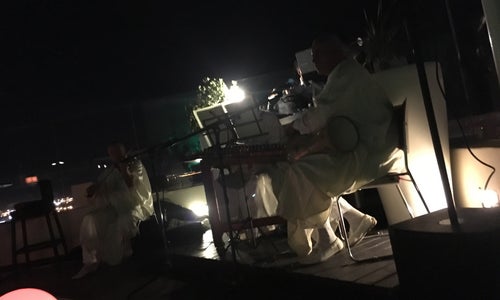
Sky Bar Novotel Hotel Tunis
Avenue Mohamed V, 1002 تونس


Business Hotel
4, rue Ibn Nadim, Montplaisir, 1073 تونس
Getting Around
Exploring Tunis is relatively straightforward, thanks to its compact city structure and variety of transportation options. Whether you’re navigating the narrow lanes of the Medina or heading out to coastal areas like La Marsa, there are convenient and budget-friendly ways to move around during your visit.
- Taxis: Readily available and affordable, taxis are a quick and convenient way to travel across the city. Fares are relatively inexpensive, but it’s advisable to agree on a price or ensure the meter is used.
- Trains: The city’s light rail service, known as the TGM (Tunis-Goulette-Marsa), connects central Tunis with the seaside suburbs. It’s an ideal option for those looking to explore areas like Sidi Bou Said and La Marsa.
- Louages: Shared taxis, known as louages, are a cost-effective choice for longer journeys outside Tunis. They depart when full and are popular for day trips to nearby towns or attractions.
- Walking: Within the central areas, particularly the Medina and downtown, walking is both practical and enjoyable. It allows for spontaneous discoveries and a closer look at the city’s charm.
What to Eat
Tunis boasts a vibrant food scene that reflects its diverse cultural influences, from Berber to Arab and French. The city’s cuisine is a delightful mix of rich flavors and fresh ingredients that cater to both traditional tastes and adventurous palates. Whether you’re sampling street food or dining in a casual restaurant, the culinary experience in Tunis is not to be missed.
A journey through Tunis’s gastronomic landscape isn’t complete without indulging in its iconic dishes. The local offerings range from savory stews to sweet pastries, each providing a unique taste of Tunisian heritage.
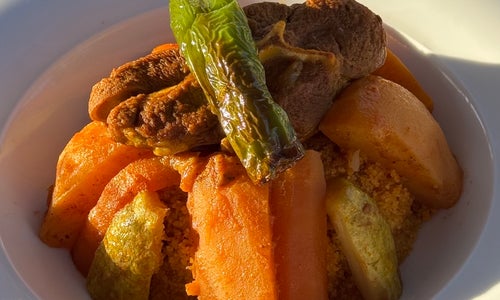
- Couscous: Tunisia’s national dish, featuring semolina grains served with a variety of meats and vegetables. Enjoy this hearty meal in traditional restaurants for the most authentic experience.
- Brik: A popular street food, this crispy pastry filled with tuna, egg, or meat is typically found in markets and roadside stalls, offering a satisfying snack on the go.
- Lablabi: A comforting chickpea soup seasoned with cumin and garnished with tuna and olives. This street food favorite is perfect for a quick, warming meal.
- Tajine: A baked dish made with eggs, potatoes, and spices, not to be confused with the Moroccan version. Enjoy it at local eateries where it’s often served as a succulent main course.
- Mint Tea: The quintessential Tunisian drink, mint tea is sweetened and often served in cafes, providing a refreshing break during your explorations.
Tunis: A Captivating Mosaic
Tunis leaves an indelible imprint on those who take the time to wander through its ancient alleys and vibrant market squares. The city is a living tapestry of history and modernity, where each turn reveals a new facet of its rich heritage. From the soulful calls to prayer echoing over the Medina to the brilliant hues of Sidi Bou Said, Tunis is a sensory delight that captivates visitors with its charm.
For travelers on a short trip, the greatest gift of Tunis is its ability to offer both a journey through time and a glimpse into contemporary culture. Here, past and present coexist harmoniously, creating a unique backdrop for discovery. Visitors often leave with a profound appreciation for the city’s ability to seamlessly blend the echoes of history with the vibrancy of today. This duality is what truly sets Tunis apart as a destination worth exploring, even if only for a fleeting visit.


