

Seoul: A Quick, Essential Guide for Travelers
Seoul is a dynamic fusion of tradition and innovation, where ancient palaces meet cutting-edge technology in a landscape strewn with bustling markets and serene parks. The city thrums with life, its streets alive day and night with the vibrant spirit of its people, offering a cultural tapestry as varied as its skyline. Discover a place where past and future collide, creating an urban rhythm that’s truly unique.
Perfectly suited for short trips, Seoul’s compact layout and efficient public transport make it incredibly easy to navigate. Whether you’re strolling through its charming neighborhoods or hopping between historic sites and foodie havens, the city’s districts are all within easy reach. Expect a whirlwind of activities, where every corner reveals another facet of its multifaceted charm.


Getting There
Seoul is highly accessible via Incheon International Airport, a major hub for travelers from all around the globe. The airport is located approximately 48 kilometers from the city center and is well-connected with various international flights. For travelers seeking to save on costs, a range of budget airlines service this route, offering competitive fares. Once you land, a journey to the heart of Seoul can be easily undertaken via the Airport Railroad Express (AREX), which swiftly connects Incheon to Seoul Station in just 43 minutes.
For those coming from nearby locations such as Japan or China, short flights into Gimpo International Airport are also available, which is closer to the city center, making the transfer even more convenient. Alternatively, high-speed trains such as the KTX offer another efficient route into Seoul from other Korean cities, with travel times from Busan taking roughly two and a half hours, ensuring seamless access from all regional hubs.
Best Time to Visit
Seoul is a year-round destination, but certain times of the year make for a more pleasant experience. Spring (April to June) is one of the most beautiful times to visit Seoul, with cherry blossoms in full bloom and mild weather making it ideal for outdoor exploration. The city buzzes with festivals celebrating the arrival of spring, adding to its lively atmosphere.
Autumn (September to November) offers another appealing window to experience Seoul, as the city is draped in vibrant fall foliage and the temperatures are comfortable. This season is also known for its vibrant festivals and cultural events, providing a colorful backdrop to the city’s intriguing blend of modernity and tradition. Attending the Seoul Lantern Festival in November is a standout highlight during this time, providing a magical blend of art and light.
How Long Is Enough?
In 24 hours, one can capture a delightful snapshot of Seoul’s vibrant culture by wandering through its bustling markets, such as Namdaemun or Myeongdong, and soaking in the views from the iconic N Seoul Tower. Explore a bit of the ancient at a palace and engage with locals in a cozy café. This brief encounter might leave you longing for more, as the heart of Seoul beats with endless vigor and intrigue.
With 48 hours, you will find a richer tapestry of experiences at your disposal. Adding on temple visits, perhaps catching a K-pop concert, and relishing in Korean barbecue gives context and depth to the city’s cultural landscape. There’s ample time to explore distinct areas like Hongdae for its arts scene and nightlife, or Insadong for its traditional crafts feel, ending up with a late-night stroll along the Han River, tasting how Seoul comes alive in unique ways both day and night.
An even longer stay, like three to four days, allows you to peel more layers of what Seoul offers. Dive deeper into its neighborhoods, each with its own story, from the ultramodern architecture in Gangnam to the historical charms of Bukchon Hanok Village. Such a duration invites you to attend workshops, participate in local rituals, and potentially venture slightly off the beaten urban path further enriching the experience, as Seoul evolves from merely a destination to a place that touches the heart.
Top Sights You Can’t Miss
Seoul is a city where the ancient seamlessly weaves into the fabric of the modern, highlighting its fascinating tapestry of history, culture, and technological advancement. This juxtaposition creates a captivating cityscape peppered with temples, palaces, vibrant shopping districts, and towering skyscrapers. Whether you’re a history buff, an avid shopper, or technology enthusiast, Seoul offers iconic sites that are both significant and easily accessible, capturing the essence of South Korea’s eclectic spirit.
- Gyeongbokgung Palace: A stunning relic of Korea’s Joseon Dynasty, this grand palace offers insight into the country’s imperial past with its impressive architecture and daily changing of the guard ceremony.
- Bukchon Hanok Village: A picturesque traditional village with beautifully preserved hanoks (traditional Korean houses), presenting a glimpse into past lifestyles nestled amid modernity.
- N Seoul Tower: Perched atop Namsan Mountain, this tower offers panoramic views of the city, making it a perfect spot for watching stunning sunsets over Seoul’s skyline.
- Myeongdong Shopping District: Bustling day and night, it’s a haven for shoppers and food lovers, offering a mix of high-end boutiques, street food stalls, and lively atmosphere.
- Changdeokgung Palace and Secret Garden: Renowned for its harmonious integration with the natural landscape, this UNESCO World Heritage site promises tranquil garden walks steeped in regal history.
- Dongdaemun Design Plaza (DDP): An architectural marvel in its own right, this cultural hub hosts exhibitions, fashion shows, and is lit beautifully at night, showcasing Seoul’s creative pulse.
Got More Time?
Should you find yourself with extra time in Seoul, there’s an abundance of enriching experiences awaiting just beyond the immediate urban sprawl. Consider venturing out to Namsan Hanok Village, a lesser-known yet enchanting collection of historical houses, offering a quiet respite with captivating cultural demonstrations. A visit to the serene Bongeunsa Temple in the bustling Gangnam district provides not only a spiritual retreat but also an insight into Buddhism’s role in Korean culture.
For a taste of nature within the city, take a hike up Bukhansan National Park, where sprawling vistas of Seoul greet you from its rugged granite peaks. It’s a favorite among locals for escaping the hustle and gives you a different perspective on the city’s vastness. Alternatively, wander the trails of Seoul Forest, a burgeoning green oasis that’s ideal for leisurely strolls, picnics, or discovering its art installations.
If you’re inclined to explore beyond Seoul’s borders, take a short train ride to the DMZ (Demilitarized Zone), providing an opportunity to delve into the complexities of Korea’s political landscape and catch a glimpse across the border into North Korea. For something more historical, Incheon offers quaint open markets and the exotic allure of Chinatown, while delivering seascape views and large-scale modern art installations at Songdo International Business District.
Where to Stay
When selecting a neighborhood to stay in Seoul, it all depends on the kind of experience you want. Myeongdong is an excellent choice for those who thrive in the hustle and bustle of a vibrant shopping district. It’s central, with easy access to public transportation, a myriad of dining options, and an energetic vibe perfect for those who love to be in the middle of action. Here, neon lights and shopping bags galore create a lively atmosphere that embodies the modern spirit of Seoul.
For travelers seeking a blend of traditional charm and modern conveniences, Insadong offers a cultural immersion with its narrow alleyways filled with teahouses, art galleries, and handicraft shops. Staying in Insadong allows you to easily explore nearby palaces and temples while sampling Korean street food. It’s an area that balances serenity with accessibility to many of the city’s historical highlights.
Another dynamic choice is Hongdae, renowned for its youthful energy and artistic scene. Staying here places you at the heart of Seoul’s indie art scene, with many music venues, quirky cafes, and street performances. If nightlife is what you’re after, clubs and bars in Hongdae offer a diverse and lively night out. For a more upscale experience, Gangnam provides a glimpse into the contemporary and luxurious side of Seoul, with high-end shopping, fine dining, and a cosmopolitan flair.
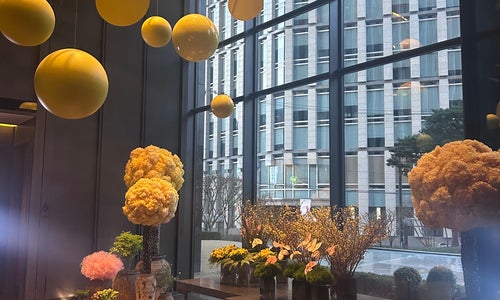
Four Seasons Hotel Seoul (포시즌스호텔)
종로구 새문안로 97, 사직동, 종로구, 서울특별시, 03183

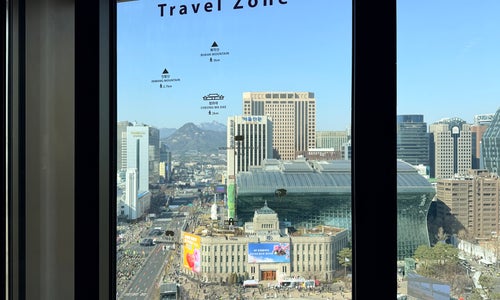
The Plaza Hotel (더 플라자)
중구 소공로 119, 소공동, 서울특별시, 서울특별시, 04525
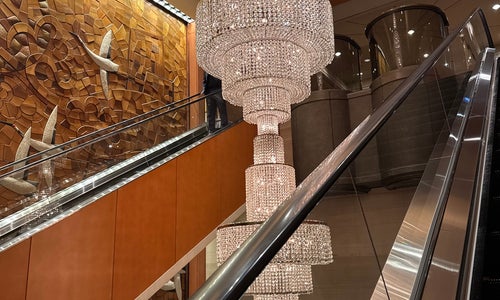
Lotte Hotel Seoul (롯데호텔 서울)
중구 남대문로 81, 소공동, 중구, 서울특별시, 04533

Getting Around
Seoul boasts one of the most efficient and user-friendly public transport systems in the world, making it simple for visitors to explore the city with ease. Navigating the vast metropolis is straightforward thanks to an extensive network that includes the metro, buses, and taxis. Understanding when and how to use these options can make your stay comfortable, cost-effective, and allow for seamless transitions between Seoul’s many attractions.
- Metro: The Seoul Metro is the fastest and most efficient way to traverse the city. With clear English signs and announcements, it provides convenient access to most tourist spots. Fares start at approximately 1,350 KRW and can increase slightly depending on distance. The T-money card is a rechargeable travel card that offers the best value for frequent travelers and can be used on buses and taxis too.
- Buses: Offering extensive reach across Seoul’s neighborhoods, buses can sometimes provide a scenic route to destinations not easily accessed by the metro. They are an economical option, with fares around the same as those of the metro. Buses can be utilized effectively with the T-money card, and express buses offer quick links to surrounding areas.
- Taxis: Available for a comfortable and direct way to get around the city, taxis can be relatively affordable, especially for short distances. Standard taxis are reasonably priced, but be mindful of the slight increase in the price during late hours. Apps or hotel concierge services can assist in calling cabs, especially if you prefer an English-speaking driver.
What to Eat
Seoul’s food scene is a tantalizing reflection of its diverse culture and urban dynamism, offering flavors that range from deeply traditional to innovative fusion. The city’s culinary identity is continually evolving, thanks to its rich history and a creative spirit that never sleeps. Bold, spicy, and utterly satisfying, Korean cuisine has delights to offer every taste bud, with a variety of textures, spices, and cooking methods that play a delicious symphony on the palate.
Whether you’re dining in lively street markets or cozy local eateries, the food experience in Seoul is as integral to understanding the city’s culture as its historic landmarks and modern attractions. Dive into the tastes of Seoul with these signature delights known throughout the city.
- Kimchi: A staple in Korean cuisine, this spicy, fermented vegetable dish is traditionally made with napa cabbage and radishes and seasoned with chili pepper, garlic, ginger, and jeotgal (salted seafood). You’ll find it served at every meal, from street stalls to upscale restaurants.
- Bibimbap: Meaning “mixed rice,” this satisfying dish features rice topped with an assortment of vegetables, beef, a fried egg, and stirred together with gochujang (red chili paste). It’s commonly enjoyed at casual eateries where locals gather for a hearty, nutritious meal.
- Korean Barbecue: A social dining experience, where diners grill marinated cuts of meat at the table, usually accompanied by banchan (side dishes). Popular in specific Korean barbecue restaurants where you’re given all the tools to become your own chef for the night.
- Tteokbokki: These is spicy rice cakes are a much-loved street food that can be found in markets and food stalls across Seoul. It’s a must-try for those who love a combination of chewy textures and a spicy kick.
- Soju: This traditional Korean distilled beverage is often enjoyed with meals, especially Korean barbecue. A clear spirit with a clean taste, it can be found in restaurants and bars and is a cultural experience in itself when shared among friends or locals.
- Bingsu: An iconic Korean dessert especially popular during the hot months, it features shaved ice topped with red beans, fruit, and sweet condensed milk. You’ll find it in café-style settings where people indulge in its refreshing flavors.
The Final Beat of Seoul’s Melody
Seoul is a city that thrives on duality, where ancient traditions and shimmering modernity coexist in a seamless dance. This city is vibrant and alive, its rhythm felt in the footsteps of a million stories unfolding daily on its bustling streets. From the pulse of its crowded markets to the serene gardens of its palaces, Seoul presents an experience that lingers with visitors long after a short trip. The sights, sounds, and smells create a vivid tapestry that captures both the influential past and a promising future, projecting a city that’s constantly in the making.
For those who carve out even the briefest escape within its boundaries, Seoul offers a sensory feast that caters to the curious and the adventurous. Its character lies in its people and their unwavering pursuit of balance, innovation, and happiness. It’s a place where tradition becomes a canvas for creativity, inviting exploration with open arms and compelling each visitor to witness its unique transformation. Whether strolling through pristine parks or indulging in mouthwatering street food, what is ultimately remembered about Seoul is its ability to simultaneously ground and uplift, providing a symphony of experiences to those willing to listen.


