

Lima: Your Quick Guide to Essential Experiences
Lima, a city where the old effortlessly meets the new, is often referred to as the culinary capital of South America. The vibrant energy and eclectic mix of tradition and modernity make it an enticing destination for travelers interested in culture and cuisine. As waves crash into its majestic cliffs, Lima invites you to dive into its rich history, unique art scene, and innovative gastronomy.
For those looking for an adventure without the need for an extended stay, Lima’s compact cityscape is perfect for a short jaunt. With its well-organized districts and pedestrian-friendly streets, the city allows you to explore key sights with ease. The laid-back pace of life, combined with its coastal charm, makes Lima not only approachable but a truly delightful urban escape.


Getting There
Arriving in Lima is quite straightforward, especially by air. The Jorge Chávez International Airport (LIM) is the main gateway to the city, located just a short drive from downtown. It is well connected with major cities in the Americas and Europe, offering frequent flights from hubs like Miami, Madrid, and Buenos Aires. For travelers looking for budget-friendly options, several low-cost airlines provide attractive deals, particularly from nearby countries.
While train travel to Lima is not a viable international option, if you’re venturing from neighboring regions within Peru, consider taking a long-distance bus instead. Numerous reputable companies offer comfortable and scenic routes, especially from cities like Arequipa and Cusco. But keep in mind that road travel can be lengthy due to Peru’s mountainous terrain, so plan your journey accordingly.
Best Time to Visit
The best time to visit Lima is during the summer months of December to March, when the city experiences warm, sunny days perfect for coastal exploration and outdoor activities. During this period, the skies are clear, allowing for beautiful ocean views, although it’s essential to note this is also peak tourist season, meaning attractions can get crowded.
On the other hand, visiting in the shoulder months of April and May can offer a pleasant experience, with fewer crowds and mild weather. The Fiesta de San Juan, held in late June, adds an exciting cultural touch to your visit with vibrant festivities. Keep in mind that the winter months from June to September bring misty mornings and cooler temperatures, which might not suit every traveler’s preference.
How Long Is Enough?
For those planning a brief stopover, spending 24 hours in Lima offers a tantalizing taste of the city’s vibrant culture and culinary delights. With just a day, you can explore historic neighborhoods like Barranco, sampling famous ceviche from local eateries and strolling along the beautiful coastal promenade. While your visit might feel like a whirlwind, it’s enough to experience the dynamic contrast of Lima’s traditional charm and modern flair.
A 48-hour stay provides a more comprehensive glimpse into the city’s rhythm. With 48 hours in Lima, you can delve deeper into its artistic side, visiting museums such as the Museo Larco and experiencing its lively nightlife, maybe enjoying a Pisco Sour at a rooftop bar. This additional time allows you to pace your journey organically, soaking in more of what makes Lima distinctly special. For those with the flexibility for an extended visit, a three to four-day itinerary allows you to truly immerse in the local lifestyle and discover Lima’s hidden gems in quieter quarters and at a relaxed pace, from unique street markets to more local festivals.
Top Sights You Can’t Miss
Lima’s attractions paint a vivid picture of its rich history and vibrant present. Known as the City of Kings, its diverse architectural and cultural landmarks offer a window into Peru’s fascinating past and dynamic evolution. From the colonial wonders of the Historic Centre to contemporary art hubs, there’s a wealth of experiences waiting to be discovered.
- Plaza Mayor: The heart of Lima, surrounded by impressive colonial architecture, this square is a symbol of the city’s history and a perfect starting point for any visit.
- Museo Larco: Housing an extraordinary collection of pre-Columbian artifacts, it provides an insightful dive into Peru’s ancient civilizations.
- Huaca Pucllana: This ancient adobe pyramid offers a unique glimpse into Lima’s pre-Incan past, juxtaposed against the modern cityscape.
- Barranco District: Known for its bohemian atmosphere, this neighborhood brims with street art, cozy cafes, and a lively arts scene.
- Miraflores Boardwalk: Offering stunning views of the Pacific Ocean, this clifftop walkway is perfect for a leisurely stroll or an adventurous paragliding experience.
- Magic Water Circuit: This fountain park is a spectacular light and water show at night, a family-friendly attraction that captivates all ages.
Got More Time?
If your schedule allows even more exploration, Lima has a treasure trove of experiences ready for your discovery. One notable destination is the Pachacamac Archaeological Site, located just a short drive outside the city. This ancient temple complex brims with mystery and awe-inspiring views, offering a fascinating day trip for history enthusiasts interested in delving into Peru’s pre-Hispanic era.
Lima’s coastal location provides numerous opportunities for outdoor adventures. Spend a day discovering the natural beauty of the Punta Hermosa Beach, popular for both sunbathing and surfing, where Atlantic waves meet golden sands. For those interested in a more cultural venture, consider visiting Callao’s Monumental Area. Home to an emerging art scene and colorful street murals, it’s a vibrant neighborhood where you can appreciate both history and contemporary creativity.
Finally, strolling through the Olive Grove Forest of San Isidro may be the slower-paced retreat you need. This historical park offers a serene escape amid olive trees and beautifully landscaped gardens, ideal for a quiet afternoon. Each of these excursions invites you to appreciate Lima’s multi-layered identity, both near and far from its bustling core.
Where to Stay
When it comes to choosing where to stay in Lima, Miraflores consistently tops the list for visitors. This district combines modern amenities with oceanfront charm, offering an array of boutique shops, lively bars, and stunning views of the Pacific. Known for its safety and walkability, Miraflores caters to both first-time tourists and seasoned travelers seeking convenience and comfort, making it a top pick for many.
If you’re yearning for a more bohemian experience, Barranco is the place to be. Famed for its artistic vibe and vibrant nightlife, this neighborhood is celebrated for its colorful streets filled with murals and creativity. Staying here promises easy access to art galleries, cafes, and cultural events, providing a richer, more local perspective of Lima.
For those who prefer a more tranquil retreat, consider the upscale San Isidro district. Known for its lush parks and upscale residences, it offers a quieter but luxurious side of Lima. With elegant dining options and tranquil green spaces like the Olive Grove Forest, San Isidro presents a sophisticated environment where one can relax away from the city’s hustle and bustle.
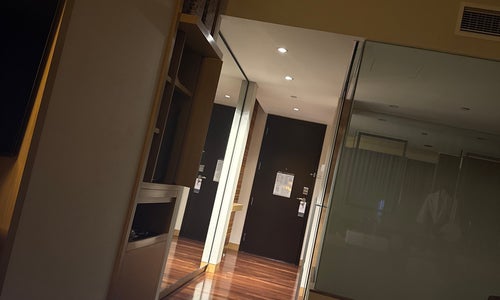
The Westin Lima Hotel & Convention Center
Calle Las Begonias 450. San Isidro (esq. Javier Prado Este), Lima, 00027


Sheraton Lima Hotel & Convention Center
Av. Paseo de la República 170, Cercado de Lima, 15001

Gran Hotel Bolívar
Jr. De La Unión 958, Cercado de Lima, 1
Getting Around
Getting around Lima can be an adventure on its own, with various transportation options catering to different preferences and budgets. Since the city is quite spread out, understanding the best ways to navigate can enhance your trip. Here’s a quick rundown of the main modes of transport that will conveniently get you from one landmark to the next.
- Taxis and Rideshares: Taxis are widely available and can be hailed on the street or arranged through hotel services. However, using rideshare apps like Uber or Cabify is generally considered safer and more reliable with upfront pricing. Expect to pay around 15-25 PEN for short distances within central areas.
- Metropolitano Bus: This is a rapid transit bus system that runs through Lima’s core zones, ideal for accessing key areas like Barranco, Miraflores, and the city center. It’s fast and efficient, with fares around 2.50 PEN per ride, but can get crowded during peak hours.
- Public Buses and Combis: These are small private buses and minivans running on fixed routes throughout the city. They are an inexpensive option for adventurous travelers who want a local experience, typically costing less than 2 PEN. Be prepared for crowded conditions and bring small change for payment.
- Walking: In more tourist-friendly neighborhoods like Miraflores and Barranco, walking is not only viable but often the most pleasant way to explore. You’ll discover charming spots down side streets that buses or taxis might miss.
What to Eat
Lima is a gastronomic paradise renowned for its fusion of flavors and culinary innovation. The city’s food scene is vibrant, reflecting influences from indigenous traditions, Spanish colonial elements, and a wave of Asian inspiration. From fine dining establishments to cheerful street vendors, Lima offers an explosion of taste experiences that can impress even the most discerning palates.
The coastal location of Lima also means fresh seafood is a staple, and the city’s chefs have elevated classic ingredients to new heights with their creativity and skill. Exploring Lima through its cuisine is a journey into the heart of Peruvian culture, with each bite offering insight into the region’s rich history and diversity.
- Ceviche: This iconic dish of marinated raw fish in lime juice, spiced with chili peppers, is refreshingly zesty. Try it at local markets or cevicherías for an authentic experience.
- Lomo Saltado: A savory stir-fry combining beef, onions, tomatoes, and fries, best enjoyed at casual restaurants where local flavors are celebrated.
- Anticuchos: Grilled beef heart skewers seasoned with a mix of spices, which are a popular street food you can find at food stalls throughout Barranco.
- Aji de Gallina: Shredded chicken in a creamy, yellow chili sauce served over rice, this comfort dish is often savored at family-style eateries.
- Pisco Sour: The national drink of Peru, this cocktail made with pisco, lemon juice, sugar, egg white, and bitters is a must-try at trendy bars and can be found widely across Lima.
- Chifa: Peruvian-Chinese fusion cuisine, featuring dishes such as fried rice (arroz chaufa), typically enjoyed in Lima’s many bustling chifa restaurants.
Lima: A City That Lingers
Lima is more than just a gateway to Peru or a brief stopover; it’s a city that leaves a lasting impression on those who take the time to explore it. The rhythms of Lima resonate with the hum of bustling markets, the whispers of coastal breezes, and the laughter echoing from vibrant street squares. This city, with its layers of history and culture, unfolds like a captivating tale that every visitor unwittingly becomes a part of. Lima’s character is an intricate dance where the past meets the present, crafting a cityscape that is as inviting as it is intriguing.
For travelers on a tight schedule, Lima provides a taste of Peru’s multifaceted identity, a brief yet profound introduction that invariably entices a return. The rich tapestry of experiences—from savoring the rich flavors of its famed gastronomy to wandering through neighborhoods brimming with art and life—ensures every moment is filled with discovery. What truly stands out about Lima is its ability to blend the old with the new, the traditional with the innovative, creating an undying allure that leaves a mark long after the trip has ended.


