

Hiroshima: A Quick Guide to Unmissable Highlights
Hiroshima is a city where history resonates in every corner, yet its spirit is vibrant and forward-looking. Known for its resilience and peace advocacy, Hiroshima offers a compelling blend of rich culture, thoughtful remembrance, and lively contemporary life. Whether it’s the serene beauty of its gardens or the heartwarming local charm, the city provides a warm welcome to anyone eager to discover its stories.
Ideal for a short trip, Hiroshima’s compact layout makes it wonderfully walkable, allowing you to effortlessly navigate between its key attractions. Despite a pace that invites reflection, the city is perfect for those looking to explore and relax over the span of a few days. With efficient transportation options and friendly locals, Hiroshima ensures an engaging experience without overwhelming the traveler.


Getting There
Hiroshima is easily accessible by air and rail, ensuring a smooth arrival for international and domestic travelers alike. The city’s primary gateway is Hiroshima Airport, which serves flights from major Asian cities. From the airport, a convenient bus transfer or taxi ride will take you into the city center, approximately 50 minutes away.
Alternatively, the Shinkansen Bullet Train offers a swift journey, connecting Hiroshima with major hubs like Tokyo and Osaka. The journey from Osaka takes around 1.5 hours, while Tokyo is about 4 hours away. This scenic, high-speed rail option is both efficient and enjoyable, making it a favored choice for many travelers. For those seeking a budget-friendly route, bus services provide economical options, albeit with longer travel times.
Best Time to Visit
Hiroshima’s diverse climate makes it an appealing destination at various times of the year, but spring (March to May) is especially delightful. During this season, the cherry blossoms paint the city in hues of pink, creating a picturesque backdrop for exploration. The temperatures are mild and pleasant, making outdoor activities particularly enjoyable.
Autumn (September to November) is another excellent time to visit. The city’s parks and landscapes transform into a tapestry of red and gold, offering stunning views and cooler, comfortable weather. Consider timing your visit to coincide with the Hiroshima Peace Memorial Ceremony in August or the vibrant autumn festivals for a deeper cultural experience without the peak summer crowds.
How Long Is Enough?
Spending 24 hours in Hiroshima allows you to touch on the essentials, from contemplating history at the Hiroshima Peace Memorial Park to savoring local delicacies. In a single day, you can wander through the serene gardens and maybe even catch a mesmerizing sunset by the harbor. It’s a day full of remembrance and reflection, with just enough time to absorb the essence of what makes this city so poignant and resilient.
With 48 hours, you deepen your connection to Hiroshima, allowing for more leisurely exploration and perhaps a side trip to Miyajima Island, known for its iconic floating torii gate. This extended time frame offers the luxury to slow down, enjoy leisurely meals featuring Hiroshima’s famous okonomiyaki, and join a guided tour for deeper insights into its storied past. Choosing to stay longer, say for three days or more, provides the perfect opportunity to delve into Hiroshima’s cultural offerings, attend a local festival, or venture into the surrounding countryside for a taste of local life. Spending this additional time adds a layer of appreciation and understanding of the resilience and warmth that characterize the city.
Top Sights You Can’t Miss
Hiroshima is a city that beautifully balances the solemnity of its historical past with vibrant modern-day life. Having risen from its poignant history, Hiroshima presents a compelling narrative through its iconic landmarks and attractions. As you traverse the city, you’ll encounter memorials that speak deeply to its legacy of peace while also experiencing the cultural depth and engaging local experiences that make Hiroshima a captivating destination.
- Hiroshima Peace Memorial Park: A powerful homage to the city’s journey from devastation to peace, the park features monuments and the haunting Atomic Bomb Dome.
- Hiroshima Castle: Nicknamed the ‘Carp Castle’, this reconstructed fortress offers panoramic views and a glimpse into Hiroshima’s feudal past.
- Shukkeien Garden: A traditional Japanese garden offering tranquil pathways and picturesque landscapes, perfect for a moment of reflection.
- Miyajima Island: Just a short ferry ride from the city, it’s home to the iconic Itsukushima Shrine with its famous floating torii gate.
- Hiroshima Museum of Art: Featuring a captivating collection of European and Japanese art, it’s an ideal spot for art aficionados.
Got More Time?
If you find yourself with extra time in Hiroshima, there’s no shortage of enriching experiences that extend beyond the primary attractions. Visit the Mazda Museum, where you can learn about the history and technological innovations of one of Japan’s leading automotive companies. It’s a fascinating stop for car enthusiasts and curious travelers alike.
For a taste of local life, venture to Hiroshima’s Hondori Shopping Arcade, a bustling pedestrian area filled with shops and boutiques perfect for picking up souvenirs or simply enjoying the vibrant atmosphere. Nearby, you can explore the Hiroden Streetcar Network, experiencing the charm of local transport as you glide through the city’s streets.
Consider a day trip to Okonomimura, a haven for food lovers that offers a building dedicated to Hiroshima-style okonomiyaki on every floor. Furthermore, a short train ride will bring you to the tranquil Saijo, known as a hub for sake brewing, where you can tour historic breweries and sample a diverse range of flavors. These experiences not only enrich your visit but also provide a deeper understanding of the local culture and lifestyle.
Where to Stay
Choosing the right area to stay in Hiroshima can greatly influence your experience, with each neighborhood offering its own unique vibe and attractions. Hatchobori is an excellent choice for travelers seeking convenience and variety, as it’s located at the heart of Hiroshima’s downtown district. With its proximity to transport links, shopping areas, and a wide array of dining options, you’ll find everything you need within walking distance.
For those who wish to immerse themselves in history and culture, consider staying in Hondori. Known for its lively shopping streets and ease of access to the Hiroshima Peace Memorial Park, this area combines the best of educational and leisure activities. It’s an ideal spot for travelers who want to spend time exploring the city’s key attractions without the need for lengthy commutes.
If a more relaxed and local atmosphere is what you’re after, Ujina by the harbor offers stunning views and serene walks along the waterfront. This area is perfect for evening strolls and provides a quieter setting away from the bustling city center. Staying in Ujina allows you to enjoy a balance of scenic beauty and urban convenience, making it a tranquil base for your Hiroshima adventures.
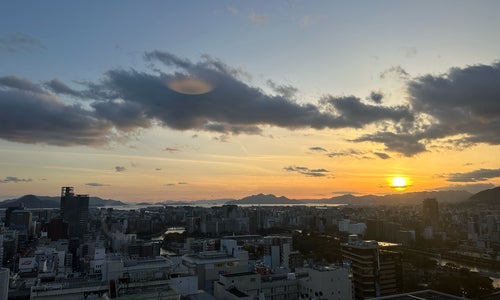
RIHGA Royal Hotel (リーガロイヤルホテル広島)
中区基町6-78, 広島市, 広島県, 730-0011

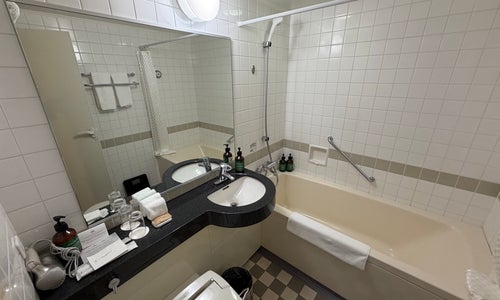
ANA Crowne Plaza Hiroshima (ANAクラウンプラザホテル広島)
中区中町7-20, 広島市, 広島県, 730-0037
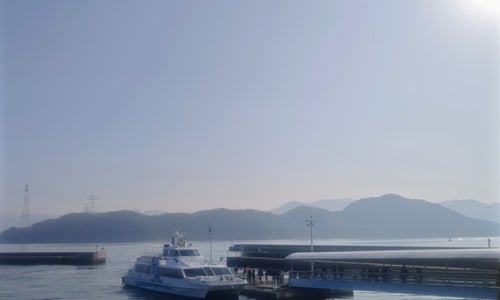
Grand Prince Hotel Hiroshima (グランドプリンスホテル広島)
南区元宇品町23-1, 広島市, 広島県, 734-8543
Getting Around
Visitors to Hiroshima will find that navigating the city is both efficient and accessible, thanks to its well-organized public transportation system. Whether you’re darting between historical sites or casually exploring the city’s beautiful streets, Hiroshima offers several convenient options to fit any travel style.
- Hiroden Streetcar: This iconic tram network covers most of the city’s central areas and is an affordable option at around 200 yen per ride. Consider purchasing a day pass for unlimited rides if you plan to explore multiple locations.
- JR Trains: The JR West network is perfect for longer journeys within and outside the city, such as traveling to Miyajima. If holding a Japan Rail Pass, visitors can enjoy rides without the need for additional tickets.
- Buses: Hiroshima’s bus services complement the tram network, reaching areas that aren’t covered by streetcars. They’re a convenient and comfortable way to get around.
- Bicycles: Ideal for a slow-paced exploration, Hiroshima offers several rental services allowing you to cycle through scenic paths, especially around the Peace Park and along the rivers.
What to Eat
Hiroshima’s culinary scene is vibrant and flavorful, offering a wide range of dishes that reflect both its local traditions and innovative spirit. Known for its hearty portions and bold flavors, Hiroshima cuisine will delight both seasoned foodies and curious newcomers. No visit to this city is complete without indulging in its rich gastronomic offerings, from savory street food to comforting noodle soups. As you explore, you’ll discover that Hiroshima’s dining culture is as diverse as its history, with something delicious waiting around every corner.
Trying local specialties is a must for any visitor looking to truly immerse themselves in the city’s culture. Here’s a list of must-try dishes in Hiroshima:
- Okonomiyaki: Often dubbed as Hiroshima’s signature dish, this savory pancake-like creation is stuffed with noodles, cabbage, and other ingredients. It’s best enjoyed at casual restaurants or specialized okonomiyaki venues known as Okonomimura.
- Oysters: Hiroshima is famous for its fresh, succulent oysters, typically grilled and served with a squeeze of lemon. Winter markets and seafood restaurants are ideal places to sample these treats.
- Tsukemen: A unique take on cold noodle dishes, tsukemen involves dipping chilled noodles into a rich, spicy broth. Look for it in stylish ramen shops around the city.
- Momiji-manju: These maple leaf-shaped sweet cakes are filled with red bean paste and make for a delightful snack or souvenir, widely available in street stalls and souvenir shops.
- Sake: As a renowned center for sake brewing, Hiroshima offers an excellent opportunity to sample its diverse range of sake varieties. Breweries in nearby Saijo or upscale izakayas in the city are great places to start.
Echoes of Hiroshima
In the brief span of a visit, Hiroshima leaves an indelible mark on the soul. The city embodies a harmonious blend of past and present, where history’s deep echoes are met with the vibrancy of modern life. Travelers often find themselves touched by Hiroshima’s profound resilience and the warm hospitality of its people. This city whispers stories of peace and perseverance that linger long after you’ve departed, reminding us of the strength found in rebuilding and renewal.
As you wander through Hiroshima, the gentle rhythms of its daily life unveil a sense of belonging and calmness, inviting you to savor its sights and flavors at your own pace. Visitors frequently return home carrying vivid memories of serene gardens, savory okonomiyaki, and the poignant symbolism of the Atomic Bomb Dome. Hiroshima’s profound impact lies in its ability to inspire reflection and hope, making each moment spent here truly unforgettable. It’s a city that beckons you to pause, reflect, and appreciate the quiet resilience woven through its bustling streets and tranquil spaces.


