

Dublin: Your Quick City Escape Guide
Dublin is a city that effortlessly marries modern innovation with deep-rooted tradition. As you wander its lively streets, you’ll be drawn in by the harmonious blend of historical charm and the vibrant energy of its contemporary culture. Whether it’s the lilting music spilling from every corner, the warmth of its welcoming locals, or the storied past etched into its architectural wonders, Dublin strikes a perfect balance, making it an alluring destination for any traveler.
Perfect for a short getaway, Dublin’s compact layout ensures that you can easily explore its key attractions at an enjoyable pace. With its charming walkability, you’ll traverse through lively neighborhoods and scenic parks without feeling rushed. This makes Dublin ideal for those who want to soak in the city’s essence even during a brief visit. A city of contrasts, yet seamlessly integrated, Dublin promises both routine ease and spontaneous discovery.


Getting There
Dublin Airport is the primary gateway for international travelers and is situated just 10 kilometers north of the city center. It offers a wide range of direct flights from various cities across Europe, North America, and beyond, serving as the most convenient entry point. For those coming from nearby European cities, low-cost airlines often provide budget-friendly options to reach Dublin.
For travelers already in Ireland or the United Kingdom, Dublin is also accessible via ferry from ports like Liverpool or Holyhead, with passenger services arriving at Dublin Port. While train options aren’t available directly from cities outside Ireland, domestic trains from nearby hubs such as Cork or Galway can take you to Heuston or Connolly Stations, depending on your point of origin, providing a comfortable travel alternative.
Best Time to Visit
Dublin is a city that can be enjoyed year-round, but spring (March to May) is particularly pleasant with mild weather and blossoming parks, offering visitors a picturesque backdrop to their exploration. During this time, the city comes to life with springtime festivals and outdoor events that showcase local culture without the peak summer crowds.
Alternatively, autumn (September to November) is equally appealing, with fewer tourists and vibrant fall colors gracing the city’s landscapes. If your timing aligns, October’s Dublin Theatre Festival offers an enriching experience with performances across the city, providing both cultural depth and a unique insight into the local artistic scene.
How Long Is Enough?
For those on a whirlwind tour, 24 hours in Dublin offers a delightful snapshot of its eclectic character. You can stroll through the lively streets of Temple Bar, soak in the atmosphere at a traditional pub, and catch a glimpse of historic landmarks like Trinity College. This brief dip will give you a taste of Dublin’s renowned hospitality and its bustling, yet welcoming buzz.
With 48 hours, Dublin unfolds its layers, allowing you to delve deeper into its vibrant culture. You might spend a sunny afternoon exploring the lush landscapes of Phoenix Park before embarking on a literary trail reflecting the city’s rich literary heritage. As the sun sets, the local music scene offers an immersive experience, whether you prefer soulful melodies of a local band or the energy of Irish dancing.
For those who opt for a longer stay, ideally three to four days, you’ll have the opportunity to truly engage with its essence. Beyond the obvious attractions, you can embark on day trips to picturesque coastal towns or dive into neighborhoods like Stoneybatter, where local eateries and unique boutiques invite serene reflection. This duration allows you to savor Dublin’s rhythm and discover its hidden gems at a leisurely pace.
Top Sights You Can’t Miss
Dublin boasts a rich tapestry of history, culture, and architectural beauty that beckons travelers to explore its heart. From ancient manuscripts to lively neighborhoods, the city offers a variety of must-see attractions that paint a vivid picture of its past and present. With easy walkability and a friendly atmosphere, navigating Dublin’s gems is a straightforward endeavor that effortlessly weaves iconic moments into your getaway.
In the city where literature meets legacy, each corner reveals a story waiting to be discovered. As you traverse the streets lined with Georgian charm and modern flair, these essential sights will provide you with a concentrated view of what makes Dublin so compelling.
- Trinity College and the Book of Kells: Home to Ireland’s first university, its stunning Long Room Library houses a beautifully illuminated medieval manuscript.
- St. Patrick’s Cathedral: Ireland’s largest cathedral, offering visitors a glimpse into the country’s ecclesiastical history and Gothic architecture.
- Dublin Castle: A historical hub of power, the castle’s grounds and exhibitions detail Dublin’s evolution from Viking settlements to colonial stronghold.
- Guinness Storehouse: Dive into Ireland’s famous stout heritage, where interactive exhibits end with a panoramic pint of Guinness in the Gravity Bar.
- Temple Bar District: Known for its vibrant nightlife, this cobblestoned area is brimming with artistic expression and traditional pubs.
- Phoenix Park: One of the largest enclosed parks in any European city, perfect for leisurely walks and occasional deer sightings.
Got More Time?
If you find yourself with extra time to spare, Dublin offers a wealth of additional experiences to enrich your visit. Beyond the central attractions, the city and its surroundings boast numerous off-the-beaten-track treasures and excursions that offer a deeper dive into Irish culture and natural beauty. Venture a little further, and you’ll discover a myriad of options that are just as captivating.
Consider a short trip to the nearby seaside village of Howth, where you can enjoy cliff walks with stunning views of the Irish Sea and some of the freshest seafood Ireland has to offer. Alternatively, take a jaunt to Kilmainham Gaol, a former prison that played a significant role in Ireland’s tumultuous history, now a fascinating museum offering a powerful insight into the nation’s past struggles for independence.
For those who enjoy the great outdoors, the Wicklow Mountains, just a short drive from Dublin, provide a breathtaking landscape ideal for hiking and exploring. Within the city limits, the National Botanic Gardens offers a serene environment to escape the urban hustle, with its beautifully maintained grounds and exotic plant collections. Each of these experiences promises to round out your Dublin adventure with a unique twist.
Dublin Travel Guide – Where to Stay
Choosing the right neighborhood can make a great difference in how you experience Dublin. If you want to be at the center of the action, Temple Bar is the go-to area known for its lively atmosphere and proximity to bars, cultural venues, and historical sites. Staying here means you’ll have a finger on the pulse of the city’s vibrant nightlife and artistic spirit.
For a more relaxing stay, St. Stephen’s Green offers a tranquil escape without leaving the city center. This area is ideal for those who appreciate beautiful architecture and lush urban parks. It’s also walking distance to Grafton Street, lined with shops and cafes, making it a perfect balance between peaceful retreat and modern conveniences.
If you’re interested in experiencing Dublin like a local, consider Rathmines, a trendy residential neighborhood south of the city center. Known for its eclectic mix of vintage stores, cozy cafes, and artisan markets, Rathmines provides a laid-back vibe and a slightly off-the-beaten-path experience while still being a short commute from major city attractions.
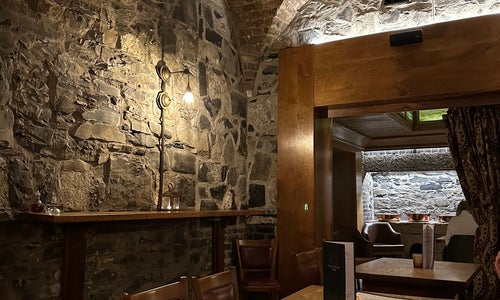
The Cellar Bar
The Merrion Hotel, Uppr Merrion St, Dublin, County Dublin

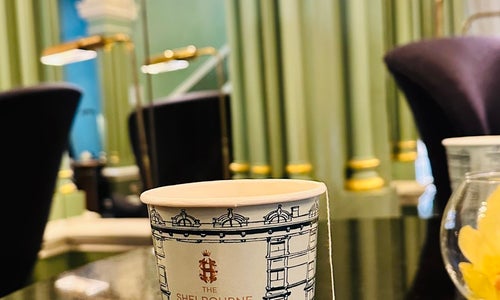
The Shelbourne Dublin
27 St. Stephen's Green, Dublin, County Dublin


Merrion Hotel
Upper Merrion St, Dublin, County Dublin
Getting Around
Thanks to its compact size, Dublin is an easy city to navigate whether you’re exploring on foot or making use of the public transport system. Most major attractions are within walking distance of each other in the city center. For those moments when you need to cover more ground or simply give your feet a rest, several options are available that offer convenience and accessibility.
- Dublin Bus: Ideal for reaching areas outside the main tourist zone, the extensive bus network provides good coverage of the city. Visitors can purchase a Leap Card for discounted fares, making it an economical choice for longer stays.
- LUAS Tram: The light rail system is fast and efficient, with two main lines covering different parts of the city. Perfect for visitors, it’s especially useful for reaching destinations like the Dundrum Town Centre or the Docklands.
- DART Train: If your plans include exploring Dublin’s picturesque coastal towns, the DART is your go-to option. It’s an enjoyable way to travel with scenic views along the route. Tickets can be purchased on a pay-as-you-go basis or using the Leap Card.
- Bicycles: Dublinbikes, the city’s bike-sharing scheme, offers a quick and sustainable way to see the city. With numerous stations around central points, it’s convenient for short journeys and offers a unique perspective of Dublin’s streets.
What to Eat
Dublin’s food scene is a delightful blend of traditional Irish fare and contemporary culinary innovation. Thanks to a burgeoning group of local chefs and artisan producers, the city offers an array of flavors that celebrate traditional recipes while infusing modern twists. From hearty pub classics to gourmet street food, Dublin has something to satisfy every palate.
As you wander through Dublin’s streets, you’ll find a diverse offering of dishes that showcase the hearty essence of Irish cuisine. This culinary adventure will not only tantalize your taste buds but also provide a richer understanding of the city’s cultural tapestry.
- Irish Stew: A comforting bowl of lamb, potatoes, and vegetables, traditionally found in cozy Irish pubs throughout the city.
- Boxty: A type of potato pancake beloved for its versatility, often served at casual eateries where you can enjoy it stuffed or plain.
- Coddle: A classic Dublin dish with sausages, bacon, potatoes, and onions, slowly simmered to perfection, ideal for sampling in traditional inns.
- Seafood Chowder: Rich and creamy, packed with fresh seafood like prawns and fish; a must-try at coastal bistros or city-center cafes.
- Guinness: Beyond a drink, it’s a cultural icon best enjoyed fresh from a Dublin pub where locals mix and chat.
- Soda Bread: Simple yet staple, this brown bread is often served with soups or stews in restaurants or at market stalls, bringing a true taste of Ireland.
The Heart of Dublin
As you conclude your journey through Dublin, it’s the city’s unique blend of history and contemporary vibrancy that lingers in the mind. Dublin is a city that wears its history proudly, where every cobblestone street echoes tales of the past and invites you to become part of its enduring story. In Dublin, time seems to flow at its own pace, allowing visitors to pause, reflect, and absorb the genuine warmth that this dynamic city extends to all who cross its path.
It’s the simple gestures—a welcoming smile from a stranger, the spontaneous conversation shared in a bustling pub—that encapsulate the city’s friendly and inviting nature. After a brief visit, it’s Dublin’s ability to make every traveler feel at home that stays with you long after you’ve left its shores. Whether it’s the cultural richness found in its museums, the heartfelt melodies of street musicians, or the charm of its lively neighborhoods, Dublin promises an experience that resonates well beyond the limits of a short trip.


