

Cusco: The Smart Traveler’s Essential Guide
Cusco, a captivating blend of ancient history and vibrant culture, offers travelers a unique glimpse into the heart of the Andes. Whether exploring the lively streets filled with local artisans or soaking in the historically rich atmosphere that once cradled the Inca Empire, Cusco is both a gateway to adventure and a treasure trove of discovery. Here, the rhythm of modern life seamlessly intertwines with echoes of the past, creating an irresistible charm that beckons explorers from around the world.
Perfect for a short trip, Cusco’s compact and walkable city center makes it ideal for travelers on tight schedules. Navigating through its charming cobblestone streets feels like a pleasant stroll through history and allows for spontaneous discoveries at every corner. The city’s well-connected public transportation and plethora of cozy accommodations make it easy to get the most out of a brief visit, ensuring a delightful experience without the rush.


Getting There
Travelers planning a trip to Cusco will likely arrive via Alejandro Velasco Astete International Airport (CUZ), located conveniently close to the city center. This airport handles several daily flights from Lima, Peru’s capital, as well as international links from cities like La Paz and Bogotá. If you’re coming from abroad, one of the most straightforward routes is to fly into Lima and catch a connecting flight to Cusco, which takes about an hour.
For those with a sense of adventure and a bit more time, consider the scenic train journey from Ollantaytambo to Cusco. Although not as direct as flying, it offers breathtaking views of the Andean landscape. Be sure to book tickets in advance, as this popular route can fill up quickly, especially during peak seasons.
Best Time to Visit
The ideal time to explore Cusco is during the dry season from May to September, when the weather is typically sunny, and rainfall is at its lowest. These months offer a pleasant climate for sightseeing and outdoor activities, making it a favorite period for travelers who wish to uncover Cusco’s historical and cultural sites without the interference of rain.
While May and June are particularly appealing due to fewer crowds, the city truly comes alive in June during the festival of Inti Raymi, a spectacular celebration honoring the Incan sun god. The vibrant processions and colorful costumes provide a mesmerizing glimpse into Peru’s rich heritage. If you’re looking to experience Cusco at its liveliest, planning your visit around this time can offer a unique cultural immersion.
How Long Is Enough?
If you’re short on time, a mere 24 hours in Cusco can still be incredibly rewarding. In a single day, it’s possible to soak up the city’s vibrant energy by strolling through the historic streets, admiring colonial architecture, and indulging in local cuisines at the bustling markets. These quick, immersive experiences offer a tantalizing peek into Cusco’s rich cultural tapestry, leaving visitors eager for more.
Spending 48 hours in Cusco allows travelers to delve deeper, transforming the encounter into an enriched exploration. With two days, you’re afforded the luxury of visiting some of the impressive museums, such as the Museo Inka or the Centro de Textiles, alongside vibrant local rituals and spiritual sites. These additional hours enable a fuller appreciation of Cusco’s diverse elements, from its engaging history to its enchanting daily life.
For a more profound adventure, consider a longer stay of four to five days. This extended time offers the chance to venture beyond the city’s borders to places like the Sacred Valley or to partake in workshops that reveal traditional Andean craftsmanship. By embracing Cusco’s slower pace and uncovering its varied dimensions, visitors can truly feel its enduring spirit and connect with its timeless allure.
Top Sights You Can’t Miss
Cusco’s allure is deeply tied to its intriguing past and captivating landscapes. As the ancient capital of the Inca Empire, the city is a living museum blending pre-Colombian culture with colonial influences. Its position as a gateway to the legendary Machu Picchu only heightens its allure, yet Cusco offers countless treasures within its own boundaries well worth a visit.
Prepare to be enchanted by these must-see attractions:
- Plaza de Armas: The heart of Cusco, where history and vibrancy converge with striking architecture and lively street performances.
- Qorikancha (Temple of the Sun): Once the most sacred site of the Incas, now a fascinating fusion of Incan and Spanish colonial architecture.
- San Pedro Market: A bustling hub offering an authentic taste of local life, filled with colorful stalls of fresh produce and crafts.
- Sacsayhuamán: Overlooking Cusco, these impressive Inca ruins reveal the grandeur and ingenuity of ancient stone masonry.
- San Blas District: Known for its charming narrow streets and artisan workshops, offering some of the best local craftsmanship.
- Incan Museum: Uncover the rich history of the region with exhibits showcasing Incan relics and cultural artifacts.
Got More Time?
If your itinerary allows for extra days in Cusco, consider venturing beyond the city’s immediate landmarks to discover the enchanting surroundings. One of the most rewarding excursions is to the Sacred Valley, a serene and lush area dotted with charming villages and Incan ruins. Among its highlights are the agricultural terraces of Moray and the salt mines of Maras, both offering stunning vistas and unique insights into ancient Andean agricultural practices.
Another captivating adventure is a day trip to the Rainbow Mountain (Vinicunca), where the striking multi-colored landscape allows for exhilarating hikes and breathtaking photo opportunities. These natural wonders showcase Peru’s extraordinary geological diversity, providing an unforgettable backdrop for a day packed with awe-inspiring scenery.
For those seeking a quieter escape, the town of Pisac is well worth exploring. Known for its vibrant market and impressive hillside ruins, Pisac provides a delightful mix of culture and history. Whether enjoying a leisurely stroll through its cobblestone streets or marveling at the panoramic views from the mountaintop ruins, Pisac offers a tranquil retreat from the busier attractions of Cusco itself.
Where to Stay
Choosing where to stay in Cusco reveals so much about the ambiance and experience you’re seeking to soak in. The Historic Center is a favored choice for first-timers, as it places you amidst the iconic cobblestone streets, colonial architecture, and a plethora of cultural attractions. Staying here ensures you’re within walking distance of landmarks like the Plaza de Armas and the mesmerizing Qorikancha—ideal for anyone hoping to truly absorb Cusco’s rich history and lively atmosphere.
For a more bohemian vibe, consider San Blas, known for its artsy essence and steep, narrow lanes leading to surprising vistas of the city. This district teems with artisanal shops, hip cafes, and a spirited artistic community, offering a quieter yet culturally rich stay away from the bustling center. It’s perfect for those who enjoy immersing themselves in local culture and savoring panoramic views after a scenic climb.
Lastly, Safuna offers a relatively serene setting that’s perfect for travelers preferring tranquility without straying far from the action. It’s a residential area that provides a more laid-back, local experience while remaining conveniently close to Cusco’s vibrant heart. Here, visitors can balance restful nights with daytime explorations, making it a versatile base for any travel style.
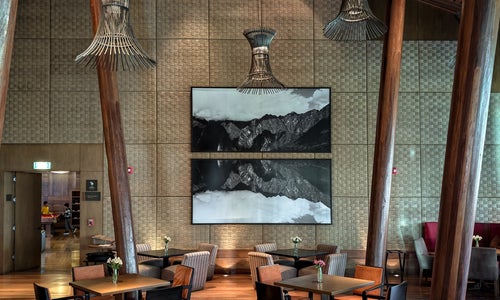
Tambo del Inka Resort & Spa, Valle Sagrado
Avenida Ferrocarril S/N, Sacred Valley, Valle Sagrado, Urubamba, 08661

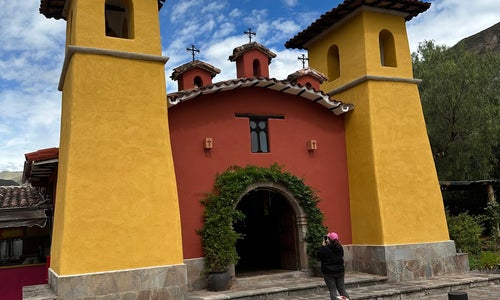
Sonesta Hotel Yucay - Valle Sagrado

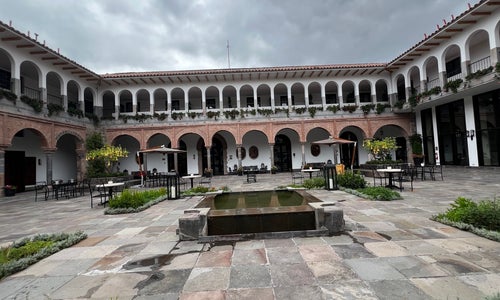
JW Marriott El Convento Cusco
Esquina De La Calle Ruinas 432 Y San Agustin, Cusco, 08001
Getting Around
Navigating Cusco is an integral part of the visitor experience, allowing travelers to explore at their own pace and discover hidden gems beyond the main tourist spots. The city’s compact layout makes it easy to move around, whether by foot, public transport, or taxi.
- Walking: Given Cusco’s manageable size and the concentration of attractions within the city center, strolling around is a highly recommended way to soak up the vibrant atmosphere and spontaneously discover charming alleyways and local shops.
- Taxis: Readily available and affordable, they offer a convenient way to reach attractions that might be a little further afield. Always ensure the meter is running or agree on a fare before starting the journey.
- Public Buses (Micros): An inexpensive option for those more adventurous, these provide a local flavor and are handy for reaching areas beyond walking distance. Fares are inexpensive, typically around 1 sol for inner-city rides.
What to Eat
Cusco is a culinary haven where traditional Andean flavors blend seamlessly with innovative gastronomy, offering a feast for the senses. From bustling markets to cozy eateries, the city’s food scene showcases a diverse array of authentic dishes that reflect its rich cultural tapestry. Engaging with Cusco’s cuisine is a delightful journey through the region’s heritage and a delicious exploration of its vibrant flavors.
The following are some essential eats not to be missed:
- Cuy (Guinea Pig): A traditional delicacy often enjoyed on special occasions, typically roasted or fried. Visitors can savor it in restaurants like Pachapapa in the San Blas district, for a quintessentially local experience.
- Lomo Saltado: A tasty Peruvian stir-fry of beef, tomatoes, and onions, served with fries and rice. Found easily in most casual restaurants throughout the city, it’s a must-try fusion of Chinese and Peruvian flavors.
- Anticuchos: Skewers of marinated grilled meat, usually beef heart, seasoned to perfection. A common street food treat, especially around markets such as San Pedro Market, offering an authentic street food experience.
- Causa: A layered dish of mashed potatoes, avocado, and seafood or chicken, seasoned with lime and chili. Served in many local eateries, this dish provides a refreshing and light option for lunch.
- Chicha Morada: A purple corn drink popular throughout the region, it’s sweetened and spiced with cinnamon and clove. Often enjoyed at market stalls or during meals in local homes.
- Quinoa Soup: This hearty and nutritious soup features the protein-rich Andean grain, making it perfect for the chilly evenings in Cusco. Found in restaurants offering traditional Andean fare, it’s ideal for warming up after a day of exploration.
Cusco: Impressions of the Ancient City
Cusco, with its vibrant blend of history and modernity, stands as a timeless testament to human ingenuity and cultural fusion. This enchanting city continues to captivate travelers with its dynamic character, effortlessly merging the ancient and the contemporary. Its cobblestone streets echo with the whispers of the past, yet its vibrant markets and bustling squares pulse with the energy of the present.
What lingers with most visitors after a quick trip is the sense of continuity, a city both deeply rooted and forward-looking. Cusco’s charm lies not just in its stone walls and brightly woven textiles but in the warmth of its people and the stories they share. Whether it’s the subtle aromas of Andean cuisine or the majestic views over the Sacred Valley, Cusco leaves an indelible mark, as vivid as the colors of its festivals, reverberating in the hearts of those fortunate to walk its ancient paths.
Ultimately, Cusco invites you to experience not just a destination, but a living history. Its enduring spirit promises an immersive experience that resonates long after the journey ends, offering insights into cultural resilience and vibrancy unlike any other.


