

Arequipa: Quick Highlights & Local Essentials
Arequipa, known as the White City for its gleaming colonial buildings made from volcanic sillar stone, captivates travelers with its blend of majestic mountains and historic charm. With its vibrant atmosphere nestled against the backdrop of three majestic volcanoes, it’s a city where tradition meets adventure at every turn. From lively plazas teeming with locals and tourists alike to its culinary delights, Arequipa offers a unique blend of culture and natural beauty that’s irresistible to explore.
A short trip to Arequipa perfectly combines relaxation and exploration, largely thanks to its compact city center that’s easily navigable on foot. The city’s well-organized streets invite you to wander and discover remarkable sites at your own pace, all while enjoying its pleasant year-round climate. Whether you’re sipping coffee in a quaint café or exploring its bustling markets, Arequipa ensures your journey remains leisurely and fulfilling.


Getting There
Reaching Arequipa is straightforward, with the most common entry point being via the Rodríguez Ballón International Airport. Located just a short 20-minute drive from the city center, it offers regular flights from major Peruvian cities like Lima and Cusco, as well as some international destinations. Airlines frequently offer competitive rates, making air travel a quick and convenient option.
If you’re coming from elsewhere in Peru, long-distance buses are a viable alternative, providing a scenic route through the country. Although there’s no train service to Arequipa, road travel can be a worthwhile adventure for those who enjoy seeing the Peruvian landscape. Whichever way you choose, Arequipa’s accessibility ensures a hassle-free start to your journey.
Best Time to Visit
Arequipa is known for its mild climate, making it an attractive destination year-round. However, the months from April to November are often considered the best time to visit. During these months, the weather is dry and sunny, perfect for exploring the city’s outdoor attractions without the disruption of rain.
While July can see an increase in visitors due to local holidays, this time also comes with a vibrant atmosphere brimming with festivities. If you’re keen on experiencing local culture, consider planning your trip around Arequipa’s Anniversary in mid-August, when the city comes alive with parades and cultural events. By choosing the right time, you can enjoy all the sights and experiences with pleasant weather and a lively city vibe.
How Long Is Enough?
Arequipa is a city that rewards both the brief visitor and the more leisurely traveler. In just 24 hours, you can immerse yourself in the heart of the city, experiencing vibrant plazas, sampling its renowned Peruvian cuisine, and perhaps visiting the stunning Santa Catalina Monastery, a highlight that tells stories of colonial past. This short stay offers a concentrated glimpse into Arequipa’s blend of tradition and modernity, leaving you with a sense of its charm.
A 48-hour visit allows you to pace your exploration a bit more, letting you delve into museums and markets, and maybe even take a short trek into the surrounding volcanic landscapes. It’s just enough time to grasp the city’s rhythms and beauty. For those who can afford a longer stay, around three to four days is ideal, adding depth to your understanding of Arequipa’s rich history and natural wonders. With a few extra days, you’re free to explore nearby attractions such as the Colca Canyon, known for its magnificent condors and breathtaking views, or even experience local culinary classes that offer a deeper connection to the region’s culture. Whether you’re pressed for time or able to linger, Arequipa’s manageable size and welcoming atmosphere make it a delightful, enriching stop on any itinerary.
Top Sights You Can’t Miss
Arequipa is a city that boasts a rich tapestry of history and architectural grandeur, with its landmarks offering glimpses into both its colonial past and stunning natural surroundings. Known for its dazzling white volcanic stone buildings and a dramatic Andean backdrop, Arequipa stands as a testament to Peru’s layered history and vibrant culture. Its compact layout and walkable streets make it easy to explore these remarkable sites in a short visit.
- Santa Catalina Monastery: A sprawling complex with vivid colors and tranquil courtyards, offering insights into the lives of nuns during colonial times.
- Plaza de Armas: The bustling heart of Arequipa, framed by stunning balconies and grand colonial architecture, perfect for people-watching and capturing memorable photos.
- Church of the Society of Jesus: A baroque masterpiece with intricate carvings and impressive artworks, revealing the artistic legacy of the Spanish colonial era.
- Sillar Route: A tour of the surrounding quarry landscapes that provide the iconic white stone used throughout the city, showcasing nature’s role in shaping Arequipa’s identity.
- Museo Santuarios Andinos: Home to the famous Ice Maiden, Juanita, this museum offers an enthralling exploration of Incan sacrifice and archeological discovery.
Got More Time?
If you find yourself with extra time in Arequipa, the city and its surroundings offer plenty of opportunities to dive deeper into Peru’s stunning landscapes and cultural history. A visit to the Colca Canyon is a must for nature lovers and hiking enthusiasts, providing breathtaking views and the chance to see the majestic Andean condors soar overhead. It’s a day trip that offers both adventure and awe-inspiring scenery.
Back in the city, you could explore the lesser-known Yanahuara District, known for its charming narrow streets and proximity to the iconic Misti Volcano. The district’s highlight is the Mirador de Yanahuara, a beautiful spot offering panoramic views of the city and the surrounding volcanoes, which is perfect for a leisurely afternoon stroll.
For a mix of relaxation and local life, consider spending an afternoon at Casa del Moral, a colonial-era mansion that offers a glimpse into Arequipa’s aristocratic past. Furthermore, if you’re intrigued by the local crafts, take a detour to San Camilo Market, where you can find everything from Peruvian textiles to unique souvenirs. With a few extra days in Arequipa, you’ll find many ways to connect more deeply with the area’s unique ambiance and cultural offerings.
Where to Stay
Choosing the right neighborhood in Arequipa can enhance your travel experience, allowing you to immerse yourself in the city’s vibrant culture and historical ambiance. One of the most popular areas to stay is Cercado de Arequipa, the historical center of the city. Staying here places you amidst Arequipa’s iconic colonial architecture and within walking distance of major attractions like Plaza de Armas and Santa Catalina Monastery. Its charming streets and proximity to cafes, restaurants, and markets provide a lively yet manageable atmosphere to explore.
Another great option is Yanahuara, a tranquil, residential district just a short walk or taxi ride from the city center. Known for its peaceful ambiance, it’s ideal for those looking for a quieter stay while still being accessible to the city’s core attractions. Yanahuara offers stunning views of the city and the volcanoes from its famous viewpoint, making it a picturesque area to unwind after a day of sightseeing.
If you’re looking for a more local experience, consider staying in Cayma, a bustling area that offers a glimpse into everyday life in Arequipa. It’s known for its vibrant local markets and traditional eateries, making it an appealing choice for travelers interested in diving deeper into Peruvian culture. Each neighborhood offers a unique perspective on the city, catering to a range of tastes and interests, ensuring that wherever you choose to stay, you’re in for a memorable experience.

Hotel Corregidor
calle San Pedro 139, Arequipa


Casona Plaza Hotel AQP
Calle San Jose 207, Arequipa, 054

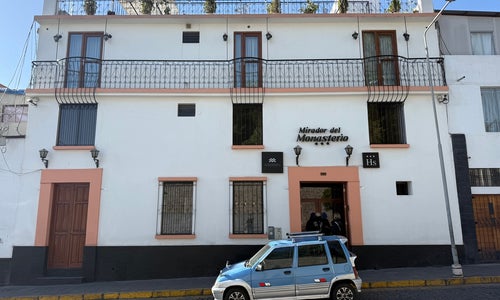
Hotel Mirador del Monasterio
Calle Zela 301, Arequipa
Getting Around
Arequipa is a city that’s easy to navigate, thanks to its fairly compact size and variety of transportation options. Most of the main attractions are centrally located, making walking a popular choice for many visitors. However, for those looking to cover more ground or who prefer not to walk, there are efficient alternatives available.
- Walking: The best way to explore the historic center and its neighboring districts on foot. The streets are safe, and most major sights are within walking distance of each other.
- Public Buses and Minivans: An affordable option for getting around the city, especially for reaching areas slightly outside the city center. While not as tourist-friendly, they offer a chance to mingle with locals. Fares are low, usually less than 1 USD per ride.
- Taxis: Convenient and abundant, taxis in Arequipa are a quick way to get around. Ensure that you agree on a fare before starting your trip, as most taxis don’t have meters. It’s relatively inexpensive, with short rides costing a few dollars.
- Ridesharing Apps: Apps such as Uber are available and offer a comfortable and reliable alternative to traditional taxis, particularly useful for ensuring transparency in fares and payments.
What to Eat
Arequipa’s food scene is a vibrant reflection of its rich cultural heritage, offering a delightful mix of indigenous and Spanish influences. Known for its distinct flavors and hearty dishes, Arequipa is a culinary destination that promises to satiate your appetite with every bite. The city is deemed the culinary capital of Peru, celebrated for its unique regional specialties that highlight local ingredients and traditional cooking methods.
Exploring Arequipa’s cuisine provides insight into the region’s history and identity, promising a feast for both the eyes and the palate. From bustling markets to cozy eateries, there are endless opportunities to indulge in authentic Arequipeñan dishes.
- Rocoto Relleno: A spicy stuffed pepper dish filled with ground meat, cheese, and spices, often found in local picanterías, traditional family-run restaurants.
- Adobo Arequipeño: A hearty pork stew marinated in chicha, garlic, and a variety of spices, typically enjoyed as a breakfast dish, especially on Sundays. Try it in any local picantería.
- Chupe de Camarones: A rich, creamy shrimp soup that incorporates fresh river prawns, potatoes, corn, and a hint of local chili, best savored in riverside restaurants.
- Ocopa: A classic appetizer consisting of boiled potatoes covered with a creamy huacatay (black mint) and peanut sauce, often served at local markets and small eateries.
- Queso Helado: Literally translating to “cheese ice cream,” this is a sweet, cinnamon-flavored treat that locals enjoy. Despite its name, it doesn’t contain cheese, and is best sampled from street vendors in the city center.
- Anís Najar: A traditional Arequipeñan anise-flavored liquor, perfect for enjoying in small cafes or bars after a meal to settle your stomach and cap off your culinary adventure.
Embrace the Essence of Arequipa
Arequipa is more than just a picturesque stop on a traveler’s itinerary; it’s a place that leaves a lasting impression with its blend of history, culture, and breathtaking landscapes. Visitors often find themselves captivated by the city’s seamless fusion of the old and the new, where ancient volcanic stones tell stories untold. Walking its cobblestone streets reveals the heart of a city proud of its heritage while embracing the vibrancy of modern life.
The rhythmic flow of daily life in Arequipa reflects a unique balance, one where the tradition of family-run eateries meets innovative culinary ventures, and bustling markets sit peacefully beside serene plazas. It’s a city characterized by its people – warm, welcoming, and always ready to share a piece of their rich history with a friendly smile. After even just a brief visit, most travelers leave with a sense of having experienced a destination unlike any other, marked by the majestic presence of its towering volcanoes and the enduring charm of its colonial splendor.


